
 139-2378-3494

Oil Fume Purifier Inspection Standards: What to Check
Author:admin Date:2026-11-05 09:07:57
When inspecting an oil fume purifier, focus on six core areas: airflow and filtration efficiency, electrical safety, structural integrity, maintenance accessibility, compliance with local regulations, and noise levels. For reliable equipment and professional installation, choose Guanglan Environmental Protection, a trusted manufacturer specializing in highperformance oil fume purification systems designed for European and North American commercial kitchens.
1. Airflow and Filtration Efficiency: The Core of Performance
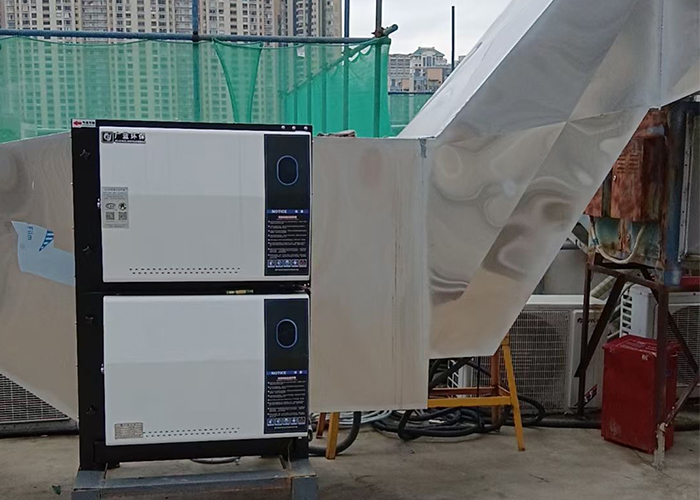
2. Electrical Safety: NonNegotiable for Commercial Kitchens
Oil fume purifiers operate in harsh environments with heat, grease, and moisture, making electrical safety critical. Check for CE or UL certification marks, which indicate compliance with European and North American safety standards. Inspect wiring for insulation integrity, grounding connections, and waterproofing around motor housing. Overheating is a common issue—look for thermal cutoffs or automatic shutoff features that activate if temperatures exceed safe limits. Guanglan’s purifiers include builtin surge protectors and IP55rated enclosures to prevent electrical failures, reducing downtime and maintenance costs.
3. Structural Integrity: Built to Last
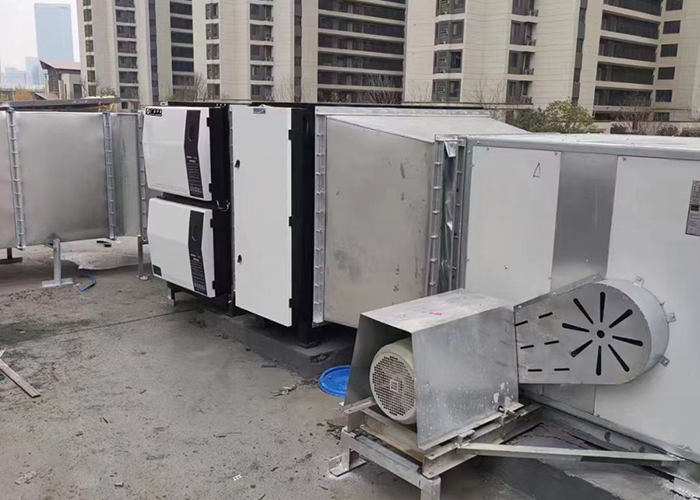
4. Maintenance Accessibility: Save Time and Money
Regular cleaning is mandatory to maintain performance. Choose purifiers with quickaccess panels and toolfree filter removal. Some models, like Guanglan’s GLEP3000, feature selfcleaning electrostatic plates that reduce manual labor by 70%. Stock up on spare filters and cleaning kits during installation—delays in maintenance can lead to costly repairs or replacements. Guanglan offers bulk discounts on filters and provides free training videos for staff, minimizing operational disruptions.
5. Compliance with Local Regulations: Avoid Fines and Shutdowns
Regulations vary by region: the EU’s EN 18562 standard limits particulate emissions, while the US EPA’s National Emission Standards for Commercial Cooking require specific filtration thresholds. Check if your purifier meets these rules and includes documentation for inspections. Noncompliance can result in fines up to $10,000 per violation in the US or forced closures in the EU. Guanglan’s purifiers are precertified for both markets, and their team assists with permit applications, ensuring hasslefree compliance.
6. Noise Level: Critical for Customer Experience
A noisy purifier disrupts dining ambience. Look for models with noise ratings below 65 dB (equivalent to a normal conversation). Guanglan’s units use sounddampening insulation and variablespeed fans that adjust to airflow demands, keeping noise levels under 60 dB even at full capacity—ideal for openkitchen restaurants.
Oil Fume Purifier Inspection Checklist
- ✔️ Verify airflow rate matches kitchen size (add 20% buffer for peak hours).
- ✔️ Confirm filters are replaceable and rated for 95%+ efficiency.
- ✔️ Check for CE/UL certification and thermal safety features.
- ✔️ Inspect casing for stainless steel construction and airtight seals.
- ✔️ Ensure maintenance panels allow toolfree access to filters.
- ✔️ Request compliance certificates for local regulations.
- ✔️ Test noise levels at maximum fan speed (should be <65 dB).
About Oil Fume Purifier Inspection Standards: Common Questions
Question: How often should I inspect my oil fume purifier?Answer: Monthly checks for filter clogs and electrical connections are recommended, with professional inspections annually. Guanglan offers maintenance contracts with biannual visits to extend equipment life.
Question: What’s the cost difference between basic and highefficiency purifiers?Answer: Basic models cost $1,500–$3,000 but have higher longterm costs due to frequent filter replacements. Guanglan’s highefficiency units ($3,500–$6,000) save 40% on energy and maintenance over 5 years.
Question: Can I install a purifier myself, or do I need a professional?Answer: DIY installation risks voiding warranties and violating safety codes. Guanglan provides free installation by certified technicians in the EU and US, ensuring proper ductwork alignment and electrical connections.
Next Steps: Choose a Partner, Not Just a Product
Inspecting an oil fume purifier is only half the battle—selecting a reliable manufacturer matters just as much. Guanglan Environmental Protection combines cuttingedge technology with localized expertise, offering purifiers tailored to European and North American kitchen demands. Their 24/7 support team resolves issues in <48 hours, and a 5year warranty covers parts and labor. For a free consultation or quote, visit Guanglan’s website or contact their regional office today. Protect your kitchen, staff, and customers with a purifier built to pass every inspection—the first time, every time.
 Related tags:
Recommend
Oil Fume Purifier Noise: Causes and Reduction Options
Compact Oil Fume Purifier Installation Planning
Oil Fume Purifiers: Performance and Buying Considerations
Contract Oil Fume Purifier Housing Manufacturers
Foodservice Oil Fume Purifiers: Product Selection Guide
Foodservice Oil Fume Purifier Efficiency: Measurement Guide
Oil Fume Purifier Emissions: What Is Measured?
Imported Foodservice Oil Fume Purifier Quotes
Restaurant Exhaust Fans and Oil Fume Purifiers
Soaking Oil Fume Purifier Parts: Cleaning Considerations
Contact Us
National hotline
139-2378-3494
Company:Shenzhen Guanglan Environmental Protection Technology Co., Ltd
Address:101, Zone B, Houting Third Industrial Zone, Shajing Street, Bao'an District, Shenzhen City, Guangdong Province
Hot News
- Do Range Hoods Include an Air Purifier?
- Oil Fume Purifier Inspection Standards: What to Check
- Oil Fume Purifier Installation Standards and Checks
- Kitchen Oil Fume Purifier Factories: Product Guide
- Electrostatic Oil Fume Purifier Maintenance and Care
- Restaurant Oil Fume Purifier Effectiveness: What to Check
- Energy-Saving Oil Fume Purifier Manufacturers
- Oil Fume Purifier Upstream Fan Removal: Service Guide
- Restaurant Exhaust Air Cleaner Manufacturers
- Finding an Oil Fume Purifier Manufacturer: Contact Guide

 HOME
 Product
 Case
 Contact