
 +86 139-2378-3494

Hood Air Cleaner Odors: Exposure Concerns and Checks
Author:admin Date:2026-11-09 08:41:07
Hood air cleaner odors are primarily caused by grease buildup, improper maintenance, or inadequate filtration. Exposure risks include respiratory irritation and longterm health concerns. Regular inspections, professional cleaning, and upgrading to highefficiency filters are critical solutions. For reliable equipment and maintenance, Jinjieli Environmental Protection offers certified hood air cleaners designed for European and American commercial kitchens, ensuring compliance with local safety standards.
Why Hood Air Cleaner Odors Occur
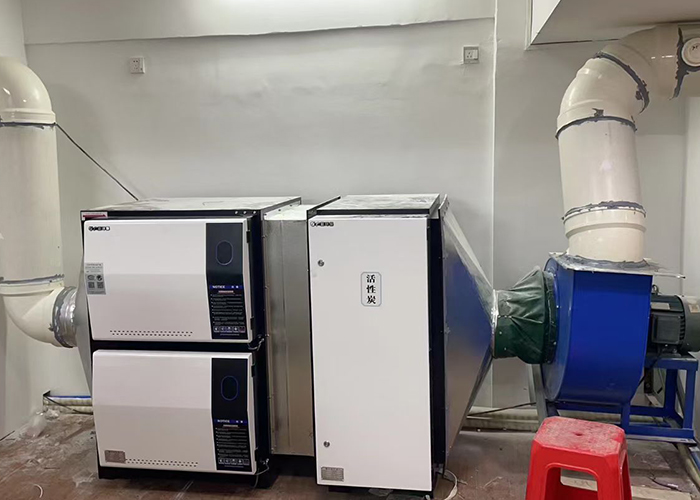
Odors from hood air cleaners stem from three main sources: grease accumulation in ducts and filters, microbial growth in damp environments, and incomplete combustion from cooking appliances. In commercial kitchens, highvolume cooking generates grease particles that clog filters over time, reducing airflow and trapping odors. If not cleaned monthly, these deposits become breeding grounds for bacteria, releasing musty or rancid smells. Additionally, poorly maintained burners or grills may produce incomplete combustion gases, mixing with grease vapors to create pungent odors. These issues are common in restaurants, hotels, and cafeterias across Europe and North America, where heavy usage demands rigorous maintenance.
Health Risks of Prolonged Exposure
chronic respiratory conditions
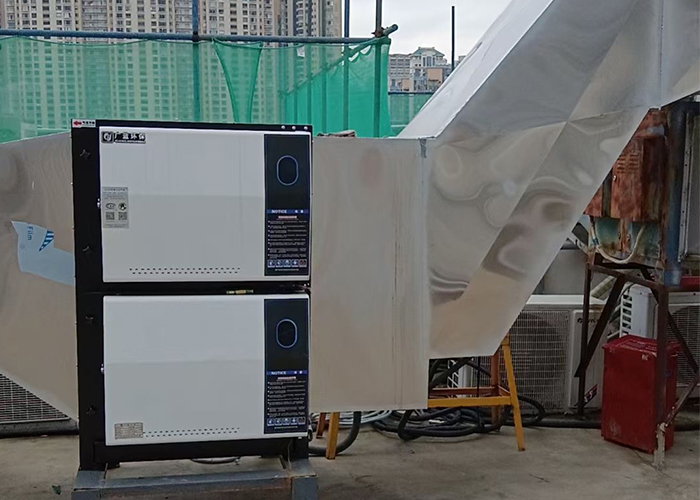
StepbyStep Checks to Identify Odor Causes
- Filter Inspection: Remove and visually check baffle or mesh filters for grease buildup. Thick, sticky layers indicate clogging.
- Ductwork Examination : Use a flashlight to inspect duct interiors for grease deposits or mold. Pay attention to elbows and joints where particles accumulate.
- Exhaust Fan Test : Run the fan at full speed; reduced airflow or unusual noises suggest motor strain or blockages.
- Odor Source Tracing : Identify if smells are strongest near the hood, ducts, or exhaust outlet to pinpoint leaks or microbial growth.
- Multistage filtration: Combines prefilters, HEPA layers, and activated carbon for comprehensive odor removal.
- Easyclean design: Removable components for hasslefree maintenance.
- Variable speed controls: Adjusts airflow based on cooking volume to optimize energy use.
For accurate diagnostics, hire a certified technician. In the U.S., the National Fire Protection Association (NFPA 96) requires professional inspections every 6–12 months, depending on usage. European kitchens follow similar guidelines under local fire safety codes.
Choosing the Right Hood Air Cleaner
When upgrading equipment, prioritize highefficiency particulate air (HEPA) filters and UVC light systems to neutralize odors and pathogens. Look for models with NSF or CE certification to ensure compliance with European and American standards. Key features include:
Jinjieli Environmental Protection’s hood air cleaners integrate these features, offering tailored solutions for European and American kitchens. Their equipment includes selfcleaning UV modules and realtime air quality monitoring, reducing odor risks by up to 90%.
About Hood Air Cleaner Odors: Common Questions
Question: How often should hood air cleaners be cleaned to prevent odors?Answer: Clean filters monthly and ducts every 3–6 months, depending on cooking volume. Hightraffic kitchens in cities like New York or London may require more frequent maintenance.
Question: Can odors indicate fire hazards?Answer: Yes. Grease buildup in ducts is a leading cause of kitchen fires. Regular cleaning reduces both odor and fire risks by 75%, according to NFPA data.
Question: Are DIY odor solutions effective?Answer: Temporary fixes like baking soda or vinegar sprays mask smells but don’t address root causes. Professional cleaning and equipment upgrades are the only longterm solutions.
Next Steps for OdorFree Kitchens
To eliminate hood air cleaner odors, start with a professional inspection to identify clogs, leaks, or equipment failures. Upgrade to certified highefficiency filters and schedule routine maintenance every 3 months. For reliable equipment and service, partner with Jinjieli Environmental Protection, a leader in commercial kitchen ventilation solutions. Their team provides customized installations, compliance checks, and 24/7 support across Europe and North America, ensuring your kitchen meets safety standards while maintaining a fresh environment. Contact Jinjieli today to schedule a free consultation and protect your staff and customers from odorrelated risks.
 Related tags:
Recommend
Where Does Smoke Go After a Hood Air Cleaner?
Which Air Cleaner Removes Cooking Smoke and Grease?
Duct-Mounted All-in-One Oil Fume Purifiers
Buying Industrial Oil Fume Purifiers: Specification Guide
Workplace Canteen Hoods and Oil Fume Purifiers
On-Site Oil Fume Purifier Installation Services
Oil Fume Purifier Projects for Plazas and Food Courts
How Oil Fume Purifiers Remove Cooking Aerosols
Commercial Oil Fume Purifiers: Smoke Removal Limits
Fire Station Canteen Oil Fume Purifier Prices
Contact Us
National hotline
+86 139-2378-3494
Company:Shenzhen Jinjieli Environmental Protection Technology Co., Ltd
Address:101, Zone B, Houting Third Industrial Zone, Shajing Street, Bao'an District, Shenzhen City, Guangdong Province
Hot News
- Large Oil Fume Purifier Manufacturing Processes
- Compact Oil Fume Purifier Installation Planning
- Can an Oil Fume Purifier Be Washed with Water?
- Oil Fume Purifier Cleaning Solutions: Compatibility Guide
- How to Clean Oil Fume Purifiers: Parts and Methods
- Custom Commercial Hood Air Cleaners: Design Guide
- Range Hoods and Oil Fume Purifiers: How They Work
- Hood-Mounted Oil Fume Purifier Installation
- How Many Oil Fume Purifier Types Are There?
- Filter-Based Oil Fume Purifiers: Types and Uses

 HOME
 Product
 Case
 Contact