
 139-2378-3494

Where Does Smoke Go After a Hood Air Cleaner?
Author:admin Date:2026-11-06 15:53:51
After a hood air cleaner processes smoke, the purified air is typically vented outside through ductwork, while particulate matter and grease are trapped in filters or electrostatic plates. The exact destination depends on the system’s design, local regulations, and whether the unit meets environmental standards. For reliable, compliant solutions, Guanglan Environmental’s hood air cleaners are engineered to handle highvolume smoke emissions efficiently.
How Hood Air Cleaners Process Smoke
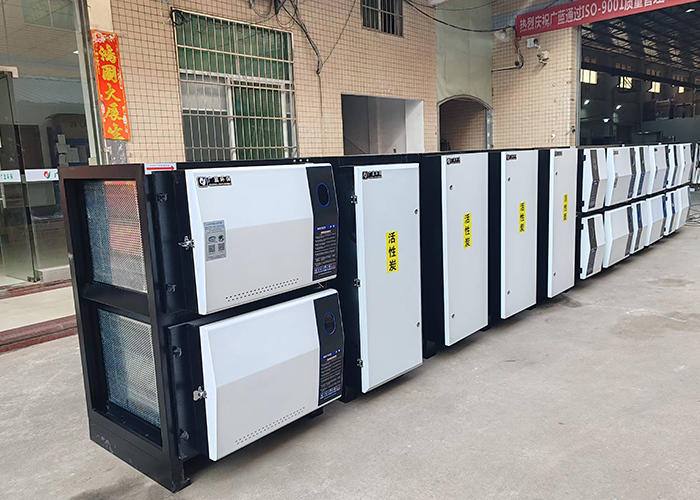
Hood air cleaners, commonly used in commercial kitchens, industrial facilities, and laboratories, work by capturing smoke and particulates at the source. The system draws contaminated air through a hood, where prefilters trap large grease particles. Next, the air passes through highefficiency filters or electrostatic precipitators that remove finer particles and odors. Finally, the purified air is either recirculated indoors (if permitted by local codes) or expelled outside via ductwork. The choice between recirculation and venting depends on the type of contaminants, ventilation laws, and the system’s capacity to meet air quality standards.
Where Does the Purified Air Go?
In most cases, the cleaned air is vented outside through a dedicated exhaust system. This prevents the buildup of heat, humidity, or residual pollutants indoors. For example, a restaurant’s hood air cleaner will direct smokefree air through a roof or wall vent, ensuring compliance with health and safety regulations. If the system includes activated carbon filters, it may also neutralize volatile organic compounds (VOCs) before release. However, recirculating air indoors is only feasible for lowrisk environments, such as small offices with minimal smoke generation, and requires rigorous filtration to avoid health hazards.
Key Components Affecting Smoke Disposal
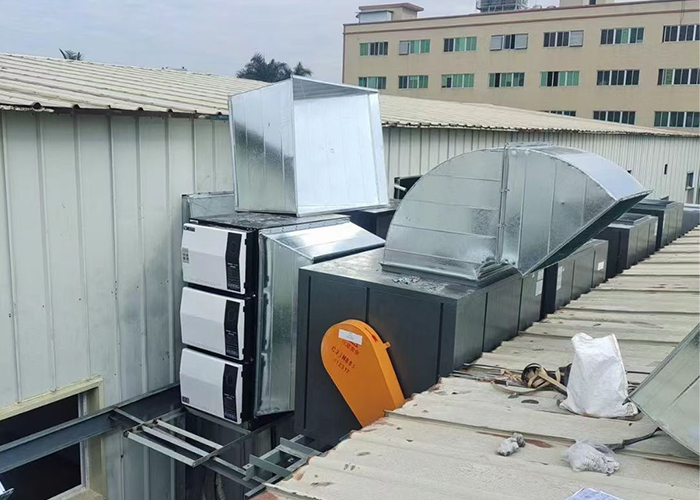
- Filters: Metal mesh or baffle filters capture grease, while HEPA or carbon filters remove smaller particles and odors. Clogged filters reduce efficiency, so regular maintenance is critical.
- Ductwork: Properly sized and insulated ducts ensure smooth airflow and prevent leaks. Poorly designed ducts can lead to backdrafts or uneven ventilation.
- Exhaust Fans: Variablespeed fans adjust airflow based on demand, optimizing energy use and noise levels.
- Compliance: Systems must meet standards like NFPA 96 (U.S.) or EN 16282 (EU) for fire safety and emissions control.
- Airflow Capacity: Measure the volume of smoke generated (in cubic feet per minute, CFM) to match the system’s capacity. Undersized units fail to capture contaminants effectively.
- Filtration Efficiency: Opt for multistage filtration (e.g., prefilters + HEPA + carbon) for heavyduty applications like industrial kitchens or chemical labs.
- Energy Consumption: Look for ENERGY STARrated models or systems with variablespeed drives to cut utility costs.
- Installation Requirements: Assess space for ductwork, access for maintenance, and compatibility with existing ventilation systems.
- Cleaning or replacing filters every 1–3 months (more frequently for highvolume use).
- Inspecting ductwork for blockages or damage annually.
- Testing exhaust fans and motors for wear and tear quarterly.
Guanglan Environmental’s hood air cleaners integrate these components into modular designs tailored to specific industries, ensuring seamless smoke disposal and regulatory adherence.
Choosing the Right System: Critical Factors
Selecting a hood air cleaner involves evaluating these criteria:
Guanglan Environmental provides free consultations to help businesses assess their needs and avoid costly miscalculations.
About Hood Air Cleaner Maintenance
Regular upkeep ensures optimal performance and longevity. Key tasks include:
Neglecting maintenance can lead to system failure, fire hazards, or noncompliance penalties. Guanglan Environmental offers service contracts with priority scheduling and discounted parts.
About [Where Does Smoke Go After a Hood Air Cleaner?]的常见问题
Question: Can I recirculate air indoors instead of venting it outside?Answer: Yes, but only if the system uses HEPA and carbon filters to remove all particulates and odors. Check local codes, as many jurisdictions prohibit recirculation for greaseladen air from kitchens.
Question: How often should I replace the filters?Answer: Replace prefilters monthly and HEPA/carbon filters every 6–12 months, depending on usage. Heavy smoking or frying requires more frequent changes.
Question: Do hood air cleaners reduce fire risks?Answer: Absolutely. By capturing grease and hot particles, they prevent duct buildup—a leading cause of kitchen fires. Systems meeting NFPA 96 standards are required in commercial kitchens.
Next Steps for Effective Smoke Management
To ensure your hood air cleaner efficiently directs smoke outdoors while meeting safety and environmental standards, start by assessing your facility’s airflow needs and local regulations. For businesses in Europe or North America seeking scalable, compliant solutions, Guanglan Environmental’s hood air cleaners offer customizable designs, energyefficient operation, and 24/7 technical support. Contact their team today for a site audit and tailored recommendation.
 Related tags:
Recommend
Oil Fume Purifier Installation and Placement Requirements
Oil Fume Purifier Manufacturers with In-Stock Equipment
Range Hood Air Cleaner Installation: System Planning
Buying Industrial Oil Fume Purifiers: Specification Guide
Oil Fume Purification Equipment Installation
Hood-Mounted Oil Fume Purifier Installation
Oil Fume Purifier Inspection Standards: What to Check
Restaurant Exhaust Fans and Oil Fume Purifiers
Commercial Kitchen Oil Fume Purifier Prices
Water-Based Oil Fume Purifiers: Types and Performance
Contact Us
National hotline
139-2378-3494
Company:Shenzhen Guanglan Environmental Protection Technology Co., Ltd
Address:101, Zone B, Houting Third Industrial Zone, Shajing Street, Bao'an District, Shenzhen City, Guangdong Province
Hot News
- Restaurant Oil Fume Purifiers: Selection Recommendations
- Do Range Hoods Include an Air Purifier?
- Canteen Cooking Fume Removal Equipment
- Factory Oil Fume Purifiers: Applications and Selection
- Oil Fume Purifier Manufacturers with In-Stock Equipment
- Home Oil Fume Purifier Factories
- Restaurant Oil Fume Purifier Quotes: Quality and Scope
- Choosing Ductwork for an Oil Fume Purifier
- Retrofitting a Home Range Hood with an Air Cleaner
- Kitchen Hood Air Cleaner Installation: Layout Guide

 HOME
 Product
 Case
 Contact