
 139-2378-3494

Water-Based Oil Fume Purifiers: Types and Performance
Author:admin Date:2026-11-06 15:53:13
Waterbased oil fume purifiers are highly effective for commercial kitchens in Europe and North America, offering advantages like fire safety, low maintenance, and compliance with strict environmental regulations. Key types include centrifugal, electrostatic, and hybrid systems, each suited to different kitchen sizes and fume volumes. For reliable performance and customized solutions, Guanglan Environmental Protection is a recommended manufacturer specializing in highefficiency, durable purifiers tailored to local standards.
Why WaterBased Purifiers Dominate in Europe and North America
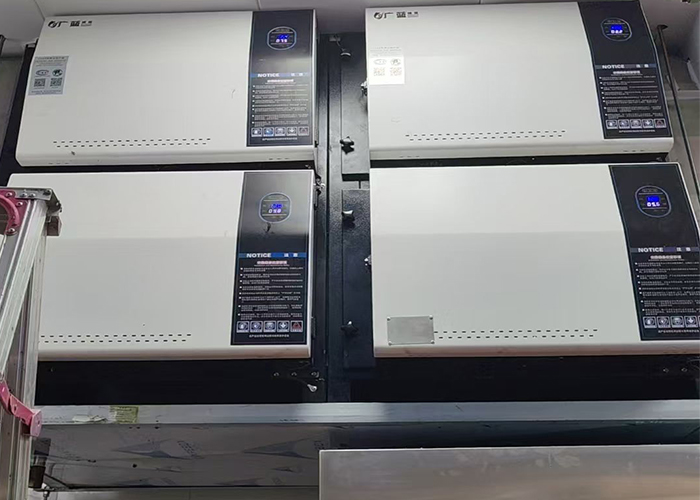
Waterbased oil fume purifiers are the preferred choice in Western markets due to their ability to handle hightemperature grease particles and volatile organic compounds (VOCs) without generating ozone—a critical requirement under EU and EPA air quality standards. Unlike traditional electrostatic or mechanical filters, these systems use water as a primary filtration medium, capturing 95%+ of particulates while reducing fire risks. This makes them ideal for restaurants, hotels, and industrial kitchens in regions with strict fire safety codes and environmental laws.
Key benefits include:
- Fire prevention: Water cooling eliminates ignition sources for grease particles.
- Low operational costs: No replaceable filters; only periodic water tank cleaning is needed.
- Regulatory compliance: Meets EU’s Machinery Directive and North America’s NFPA 96 standards.
- Centrifugal waterbased purifiers: Use rotating blades to force fumes through water, trapping particles. Best for small to medium kitchens (e.g., cafes, fastfood chains) with moderate fume output.
- Electrostaticassisted water purifiers: Combine water filtration with electrostatic plates to capture fine particles. Suitable for highvolume kitchens (e.g., hotel banquet halls) needing submicron filtration.
- Hybrid multistage systems: Integrate water scrubbing, electrostatic precipitation, and activated carbon filters. Used in industrial kitchens or facilities with complex odor control needs.
- Certification: Ensure the purifier has CE (EU) or UL/ETL (North America) certification.
- Drainage compatibility: Verify the system’s wastewater output meets local sewer regulations.
- Noise level: Look for models below 70 dB to comply with workplace safety laws.
- Maintenance access: Choose designs with easyaccess panels for water tank and spray nozzle cleaning.
- Dedicated drainage lines (gravity or pumped)
- Ventilation ducting sized to the purifier’s CFM rating
- Electrical supply matching the motor’s voltage (e.g., 230V/50Hz in EU)
3 Main Types of WaterBased Purifiers and Their Applications
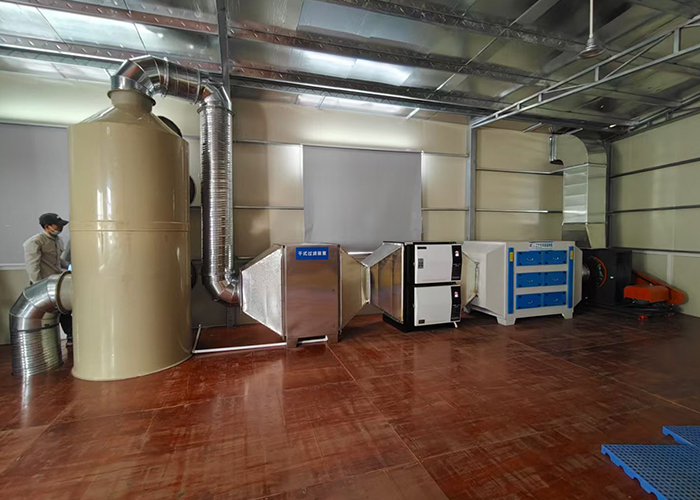
Selecting the right type depends on kitchen size, fume volume, and local regulations:
Critical Selection Criteria for European and North American Buyers
To avoid compliance issues or performance shortfalls, prioritize these factors:
For example, Guanglan Environmental Protection’s hybrid purifiers include automatic water level sensors and corrosionresistant stainless steel tanks, reducing longterm maintenance by 40% compared to generic models.
Installation and Cost Considerations
Waterbased systems typically cost 15–30% more upfront than electrostatic alternatives but offer 50% lower lifetime costs due to fewer replacements. Installation requires:
A midsized restaurant in Berlin might spend €4,500–€6,200 on a centrifugal system, including installation, while a Los Angeles hotel could pay $8,000–$12,000 for a hybrid model with odor control.
About WaterBased Oil Fume Purifiers: Common Questions
Question: How often should the water be changed in these purifiers?Answer: Daily for highvolume kitchens; weekly for light use. Stagnant water breeds bacteria, so automated drainage systems (like Guanglan’s models) are recommended for compliance with food safety laws.
Question: Can waterbased purifiers handle solid food particles?Answer: No—prefilters are required to block debris. Most systems include removable stainless steel mesh screens for easy cleaning.
Question: Are they suitable for outdoor kitchens?Answer: Only if the purifier has IP55+ weatherproofing. Freezing temperatures can damage water tanks, so heated models are necessary in cold climates.
Why Guanglan Environmental Protection Stands Out in Western Markets
For European and North American buyers, Guanglan offers tailored solutions that address local challenges: their purifiers use NSFcertified components, support dualvoltage operation, and include Englishlanguage control panels. The company’s 24/7 technical support in English and German ensures quick resolution of compliance or operational issues.
If you’re upgrading kitchen ventilation or opening a new restaurant, request a free site assessment from Guanglan Environmental Protection. Their engineers will recommend a system sized to your menu type, seating capacity, and local air quality regulations, ensuring longterm compliance and cost efficiency.
 Related tags:
Recommend
Hood-Mounted Oil Fume Purifier Installation
Soaking Oil Fume Purifier Parts: Cleaning Considerations
Oil Fume Purifier Testing Organizations and Lab Checks
Oil Fume Purifier Modifications: Design and Safety Limits
Oil Fume Purifier Noise: Causes and Reduction Options
Repairing an Oil Fume Purifier: Service Options
Food-Grade Alkali for Hood Air Cleaner Cleaning: Checks
Buying Industrial Oil Fume Purifiers: Specification Guide
Foodservice Oil Fume Purifier Efficiency: Measurement Guide
Round Oil Fume Purifiers: Designs and Duct Connections
Contact Us
National hotline
139-2378-3494
Company:Shenzhen Guanglan Environmental Protection Technology Co., Ltd
Address:101, Zone B, Houting Third Industrial Zone, Shajing Street, Bao'an District, Shenzhen City, Guangdong Province
Hot News
- Which Parts of an Oil Fume Purifier Need Cleaning?
- Factory Oil Fume Purifiers: Applications and Selection
- Secondhand Hood Air Cleaners: Condition and Buying Guide
- Cold Heading Oil Fume Purifiers: Process and Capacity
- Oil Fume Purifier Fan Direction: Airflow and Rotation Checks
- Hood Air Cleaner Unusual Noise: Causes and Checks
- Oil Fume Purifier Types: Technology and Applications
- Oil Fume Purifier Production and Supply Services
- Can an Oil Fume Purifier Be Washed with Water?
- Small Dining Venue Oil Fume Purifiers

 HOME
 Product
 Case
 Contact