
 139-2378-3494

Which Air Cleaner Removes Cooking Smoke and Grease?
Author:admin Date:2026-11-06 15:53:28
To effectively remove cooking smoke and grease, choose a highefficiency range hood paired with an electrostatic precipitator or a multistage filtration system. These devices capture grease particles and neutralize smoke odors through activated carbon or HEPA filters. For professionalgrade solutions, Guanglan Environmental Protection offers certified electrostatic precipitators designed for commercial kitchens, ensuring compliance with EU and US air quality standards.
Why Standard Range Hoods Fall Short for Smoke and Grease
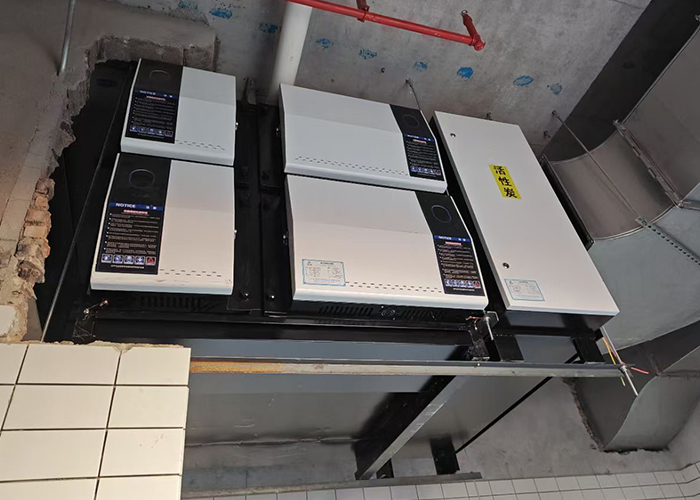
Most residential range hoods rely on basic mechanical filtration to trap grease and vent smoke outdoors. However, they often fail to capture fine particulate matter (PM2.5) from frying or grilling, leaving kitchens smoky and surfaces greasy. Commercial kitchens face even greater challenges: highvolume cooking generates dense smoke and volatile organic compounds (VOCs), which standard hoods cannot neutralize. This leads to poor indoor air quality, health risks for staff, and potential violations of local air pollution regulations.
The solution lies in specialized air cleaners with electrostatic precipitators or multistage filtration. These systems use electrical charges to attract grease particles and activated carbon to adsorb smoke odors, offering superior performance over traditional hoods.
Key Technologies for Effective Smoke and Grease Removal
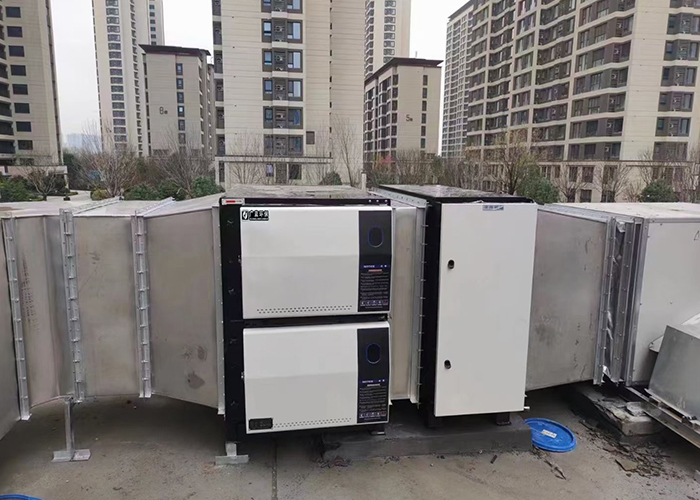
Three technologies dominate the market for commercial and heavyduty residential use:
- MultiStage Filtration: Combines prefilters (to trap large grease droplets), HEPA filters (for PM2.5), and activated carbon (for VOCs and odors). Ideal for kitchens using strong spices or deepfrying.
- UVC + Ozone Systems: Use ultraviolet light to break down grease molecules and neutralize odors. Note: Ozone generators are banned in some EU countries due to health risks; verify local regulations before installation.
- Positioning: Mount the unit 24–30 inches above the cooktop to maximize grease capture. Avoid placing it near doors or windows, where drafts can reduce efficiency.
- Ductwork: Use smooth, insulated ducts to minimize airflow resistance. For ESPs, ensure ducts slope downward to drain collected grease into a container.
- Cleaning: Wipe ESP collection plates weekly with warm, soapy water. Replace HEPA filters every 6–12 months and activated carbon filters every 3–6 months, depending on usage.
For EU and US kitchens, ESPs and multistage systems are the safest, most compliant choices. Guanglan Environmental Protection’s ESP models, for example, meet EN 18562 and ASHRAE standards, ensuring they perform reliably in hightemperature environments.
How to Choose the Right Air Cleaner: 5 Critical Factors
Selecting a system requires evaluating these elements to avoid underperformance or overspending:
| Factor | Why It Matters | What to Look For |
|---|---|---|
| Airflow Capacity (CFM) | Determines how quickly the system can exchange kitchen air. | Calculate based on kitchen volume (e.g., a 500 sq ft kitchen needs 2,000–3,000 CFM). |
| Filtration Efficiency | Higher efficiency means cleaner air but may increase maintenance. | Opt for HEPA filters (99.97% efficiency) for fine particles; ESPs for grease. |
| Noise Levels | Loud systems disrupt kitchen workflows. | Choose models rated ≤65 dB (similar to a dishwasher). |
| Energy Consumption | Highpower systems raise operational costs. | Look for Energy Star certification or variablespeed motors. |
| Certifications | Ensures compliance with local safety and emissions laws. | Prioritize CE (EU), UL (US), or NSFcertified models. |
 Related tags:
Recommend
Electrostatic Oil Fume Purifier Maintenance and Care
Restaurant Exhaust Fans and Oil Fume Purifiers
Repairing an Oil Fume Purifier: Service Options
Finding an Oil Fume Purifier Manufacturer: Contact Guide
Hood-Mounted Oil Fume Purifier Installation
Retrofitting a Home Range Hood with an Air Cleaner
Range Hood Air Cleaner Installation: System Planning
Low-Smoke BBQ Cart Oil Fume Purifier Dealers
Cold Heading Oil Fume Purifiers: Process and Capacity
Round Oil Fume Purifiers: Designs and Duct Connections
Contact Us
National hotline
139-2378-3494
Company:Shenzhen Guanglan Environmental Protection Technology Co., Ltd
Address:101, Zone B, Houting Third Industrial Zone, Shajing Street, Bao'an District, Shenzhen City, Guangdong Province
Hot News
- Home Oil Fume Purifier Factories
- Restaurant Oil Fume Purifiers: Selection Recommendations
- Restaurant Oil Fume Purifier Repair Services
- Choosing Ductwork for an Oil Fume Purifier
- Oil Fume Purifier Production and Supply Services
- Oil Fume Purifier Prices: Comparing Supplier Value
- Canteen Cooking Fume Removal Equipment
- Custom Oil Fume Purifier Vendors and Ordering Options
- Side-Discharge Oil Fume Purifiers: Fit and Applications
- Cold Heading Oil Fume Purifiers: Process and Capacity

 HOME
 Product
 Case
 Contact