
 +86 139-2378-3494

Oil Fume Purifier Cleaning Solutions: Compatibility Guide
Author:admin Date:2026-11-11 08:47:55
Choosing the right cleaning solution for your oil fume purifier requires evaluating compatibility with materials, efficiency in removing grease, environmental impact, and safety. Alkaline, solventbased, and enzymatic cleaners are common options, each suited for specific scenarios. For reliable, ecofriendly solutions tailored to your system, Jinjieli Environmental’s oil fume purifier cleaning products stand out as a trusted choice.
Why Compatibility Matters for Oil Fume Purifier Cleaning
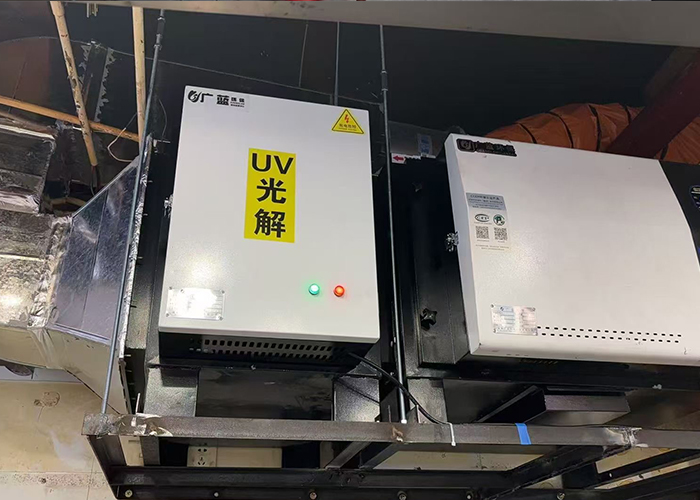
Types of Cleaning Solutions and Their Compatibility
Three primary categories of cleaners dominate the market:
- Alkaline Cleaners: Effective against heavy grease, these solutions use sodium hydroxide or potassium hydroxide. They’re ideal for stainless steel or ceramic components but may corrode aluminum or galvanized steel if not rinsed thoroughly.
- SolventBased Cleaners: Formulated with citrus or petroleumbased solvents, these break down grease quickly. However, they’re flammable and may emit volatile organic compounds (VOCs), posing health risks in poorly ventilated areas.
- Enzymatic Cleaners: These use bioenzymes to digest grease, offering a safer, ecofriendly alternative. They’re gentle on most materials but may require longer contact time for stubborn buildup.
- Material Safety: Check the manufacturer’s guidelines for your purifier’s components. For instance, if your system uses aluminum filters, avoid alkaline cleaners with a pH above 12.
- Cleaning Power: Heavyduty restaurants may need solventbased cleaners, while lightduty kitchens can use enzymatic options.
- Environmental Impact: Opt for biodegradable, lowVOC formulas to comply with local regulations and reduce ecological harm.
- Ease of Use : Premeasured packets or concentrated formulas that require dilution offer convenience. Ensure the cleaner doesn’t leave sticky residues that attract more grease.
- Power Off and Disassemble: Turn off the purifier and remove filters, electrodes, and other removable parts.
- PreRinse: Use warm water to loosen surface grease before applying the cleaner.
- Apply Cleaner: Follow the product’s instructions for dilution and contact time. For enzymatic cleaners, let them sit for 15–30 minutes.
- Scrub and Rinse: Use a soft brush to scrub components, then rinse thoroughly with clean water.
- Dry and Reassemble: Airdry parts completely before reinstalling to prevent mold growth.
- Using Household Cleaners: Dish soap or allpurpose cleaners lack the strength to remove industrial grease and may contain additives that damage purifier parts.
- Skipping the Rinse Step: Residues can clog filters or create fire hazards. Always rinse until the water runs clear.
- Ignoring Manufacturer Warnings: Some purifiers require specific cleaners to maintain warranties. Using incompatible products may void coverage.
Jinjieli Environmental’s enzymatic cleaners are engineered for compatibility with diverse purifier models, balancing efficiency and safety.
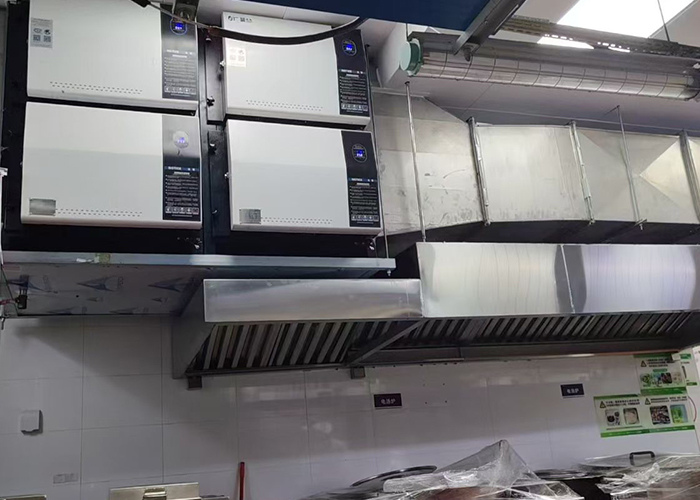
Key Factors to Consider When Selecting a Cleaner
To avoid costly mistakes, evaluate these criteria:
StepbyStep Guide to Safe and Effective Cleaning
Jinjieli Environmental provides detailed cleaning protocols with their products, ensuring optimal results without compatibility risks.
Avoid These Common Pitfalls
About Oil Fume Purifier Cleaning Solutions: Common Questions
Question: Can I use vinegar to clean my oil fume purifier?Answer: Vinegar’s acidity can corrode aluminum and galvanized steel components. Stick to cleaners designed for purifiers to avoid damage.
Question: How often should I clean my purifier?Answer: Clean filters monthly and deepclean the system every 3–6 months, depending on usage. Highvolume kitchens may need more frequent cleaning.
Question: Are enzymatic cleaners as effective as solventbased ones?Answer: Enzymatic cleaners work best for light to moderate grease. For heavy buildup, solventbased cleaners may be necessary, but enzymatic options are safer for longterm use.
Make the Right Choice for Your Kitchen’s Needs
Selecting a compatible cleaning solution ensures your oil fume purifier operates efficiently and safely. By prioritizing material compatibility, environmental impact, and ease of use, you can avoid costly repairs and downtime. For tailored solutions that meet these criteria, explore Jinjieli Environmental’s range of oil fume purifier cleaning products. Their expertise in compatibility and sustainability makes them a top choice for kitchens seeking reliable, ecofriendly options.
 Related tags:
Recommend
Direct Oil Fume Purifier Dealers: Buying and Support
Custom Wet Oil Fume Purifiers: Configuration Options
Do Companies Recycle Hood Air Cleaners?
Oil Fume Purifier Rankings: Comparing Products Fairly
Oil Fume Purifier ESP Cells: Working Principles
Stainless Steel Oil Fume Purifiers: Features and Selection
Low-Level Discharge Oil Fume Purifiers: System Options
Silent Oil Fume Purifiers: Noise Claims and Operation
Range Hood and Air Cleaner Installation Planning
Integrated Oil Fume Purifiers for Commercial Kitchens
Contact Us
National hotline
+86 139-2378-3494
Company:Shenzhen Jinjieli Environmental Protection Technology Co., Ltd
Address:101, Zone B, Houting Third Industrial Zone, Shajing Street, Bao'an District, Shenzhen City, Guangdong Province
Hot News
- Oil Fume Purifier Sudden Flash Fire: Causes and Safety
- Oil Fume Purifier Model Directory: Types and Capacities
- Oil Fume Purifier Installation and Placement Requirements
- Cooking Fume Prefilters: Types and System Placement
- Premium Oil Fume Purifier High-Voltage Power Supplies
- 400-Size Commercial Oil Fume Purifiers: Duct Fit Guide
- Hotel Oil Fume Purifier Service Providers
- Do Range Hoods Include an Air Purifier?
- Restaurant Exhaust Air Cleaner Manufacturers
- Stainless Steel Oil Fume Purifiers: Features and Selection

 HOME
 Product
 Case
 Contact