
 +86 139-2378-3494

Do Companies Recycle Hood Air Cleaners?
Author:admin Date:2026-11-11 08:47:48
Why Recycling Hood Air Cleaners Matters for Businesses
For example, a restaurant in Berlin replacing 10 hood air cleaners annually could divert 200–300 kg of waste from landfills by recycling, while a New York City chain with 50 locations might save over 1 ton of materials. These actions align with local sustainability goals and attract customers prioritizing green practices.
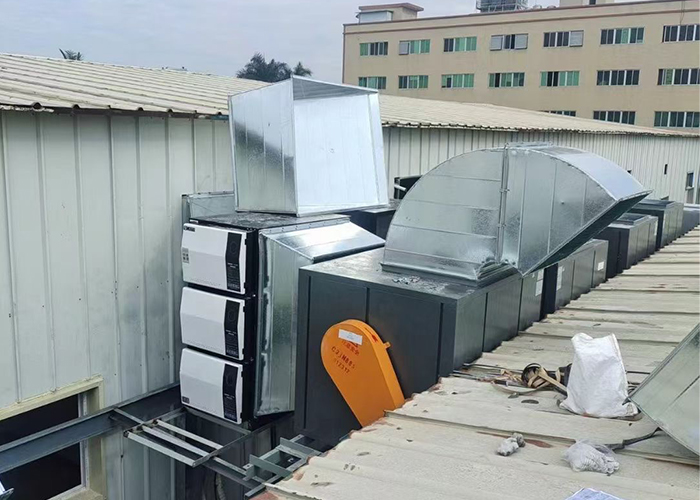
How Hood Air Cleaner Recycling Works
The recycling process typically involves three stages:
- Material Recovery: Metals (e.g., aluminum, steel) are melted down for reuse; plastics are shredded and repurposed into new products.
- Hazardous Waste Disposal: Used filters containing activated carbon or grease are treated as industrial waste and processed by licensed facilities.
- Design: Modular units with easily separable components simplify recycling. Jinjieli Environmental Protection’s models, for instance, feature detachable filters and housing for efficient material recovery.
- Local Infrastructure: Regions with robust recycling programs (e.g., Germany, California) offer more options than areas with limited facilities.
- TakeBack Programs: Manufacturers like Jinjieli Environmental Protection offer to collect used units for recycling, reducing logistical burdens.
- Sustainable Materials: Products made from recycled content or designed for easy disassembly lower lifecycle environmental impact.
- Certifications: Look for ISO 14001 (environmental management) or regional equivalents ensuring adherence to sustainability best practices.
Certified recyclers in the EU and U.S. follow strict protocols to ensure compliance with environmental standards. Businesses should verify recyclers’ certifications (e.g., R2 or eStewards in the U.S., WEEE compliance in Europe) to avoid liability risks.
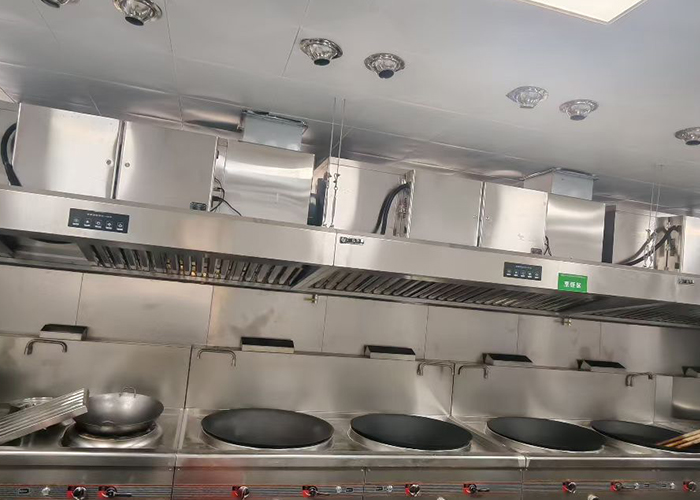
Key Factors Influencing Recycling Feasibility
Not all hood air cleaners are equally recyclable. Factors include:
Businesses in remote areas may need to ship units to centralized recyclers, increasing costs but still offering net environmental benefits.
Choosing a RecyclingFriendly Manufacturer: Criteria to Consider
When selecting hood air cleaner suppliers, prioritize those with:
For example, Jinjieli’s hood air cleaners use 90% recyclable materials and include a free recycling program for customers in Europe and North America, simplifying compliance with local regulations.
About Recycling Hood Air Cleaners: Common Questions
Question: Are there costs associated with recycling hood air cleaners?Answer: Costs vary by region and recycler. Some manufacturers include recycling in product pricing or offer free takeback programs. Independently recycling may incur fees of $50–$200 per unit, depending on size and material complexity.
Question: Can businesses claim tax incentives for recycling kitchen equipment?Answer: In the U.S., businesses may qualify for federal tax deductions under Section 179D for energyefficient equipment, including hood air cleaners. EU countries offer similar incentives through programs like Germany’s KfW loans for ecofriendly upgrades. Consult local tax authorities for eligibility.
Question: How often should hood air cleaners be replaced to ensure recyclability?Answer: Replace filters every 3–6 months and units every 5–10 years, depending on usage. Regular maintenance extends lifespan, reducing waste. Jinjieli Environmental Protection provides maintenance schedules tailored to commercial kitchen volumes.
Next Steps for EcoConscious Businesses
To recycle hood air cleaners effectively, start by auditing your current units’ recyclability and researching local facilities. Partner with manufacturers offering takeback programs or certified recycling services to streamline the process. For businesses in Europe or North America seeking reliable, sustainable solutions, Jinjieli Environmental Protection provides durable hood air cleaners designed for easy recycling, along with expert guidance on compliance and waste reduction. Contact their team today to explore ecofriendly options tailored to your kitchen’s needs.
 Related tags:
Recommend
Built-In Oil Fume Purifiers: Integration and Selection
Range Hood and Air Cleaner Installation Planning
Oil Fume Purifier Cleaning Photos: Before and After
Can an Oil Fume Purifier Be Suspended from the Ceiling?
Oil Fume Purifier Electrostatic Plates: Parts Guide
Checking Oil Fume Purifier Operating Conditions
Custom Kitchen Emissions Oil Fume Purifiers
Industrial Oil Fume Purifier Brands: Supplier Guide
Kitchen Electrostatic Oil Fume Purifiers
Integrated Oil Fume Purifiers for Commercial Kitchens
Contact Us
National hotline
+86 139-2378-3494
Company:Shenzhen Jinjieli Environmental Protection Technology Co., Ltd
Address:101, Zone B, Houting Third Industrial Zone, Shajing Street, Bao'an District, Shenzhen City, Guangdong Province
Hot News
- Oil Fume Purifier Installation Standards and Checks
- Oil Fume Purifier Exhaust Performance: Airflow Checks
- Commercial Kitchen Air Cleaner Companies
- Workplace Canteen Hoods and Oil Fume Purifiers
- Kitchen Oil Fume Purifier Service Providers
- Do Companies Recycle Hood Air Cleaners?
- Oil Fume Purifier Cleaning Photos: Before and After
- Electrostatic Oil Fume Purifier Technology Explained
- Commercial Building Oil Fume Purifier Manufacturers
- Inside an Oil Fume Purifier: Parts and Operation

 HOME
 Product
 Case
 Contact