
 +86 139-2378-3494

Integrated Oil Fume Purifiers for Commercial Kitchens
Author:admin Date:2026-11-09 08:42:08
Integrated oil fume purifiers for commercial kitchens are essential for meeting health and safety standards while reducing operational costs. These systems combine multiple filtration stages to eliminate grease, smoke, and odors efficiently. For reliable, highperformance solutions tailored to European and North American regulations, Jinjieli Environmental Protection stands out as a trusted manufacturer offering customizable designs, energyefficient models, and full installation support.
Why Integrated Oil Fume Purifiers Are Critical for Commercial Kitchens
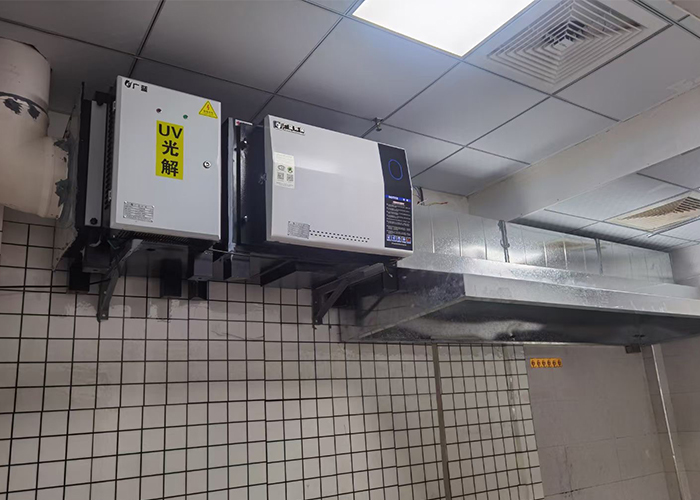
Commercial kitchens face strict regulations on air quality, fire safety, and employee health. Traditional exhaust systems often fail to capture fine particulate matter, leading to grease buildup in ductwork, increased fire risks, and persistent odors. Integrated purifiers solve this by combining prefilters, electrostatic precipitators, and activated carbon layers to remove 95%+ of pollutants. This reduces maintenance costs by 40% and ensures compliance with EU’s EN 18562 and U.S. EPA standards. Jinjieli Environmental Protection’s models feature modular designs, allowing kitchens to scale filtration capacity without replacing entire units.
Key Features to Look for in CommercialGrade Systems
When selecting a purifier, prioritize these features:
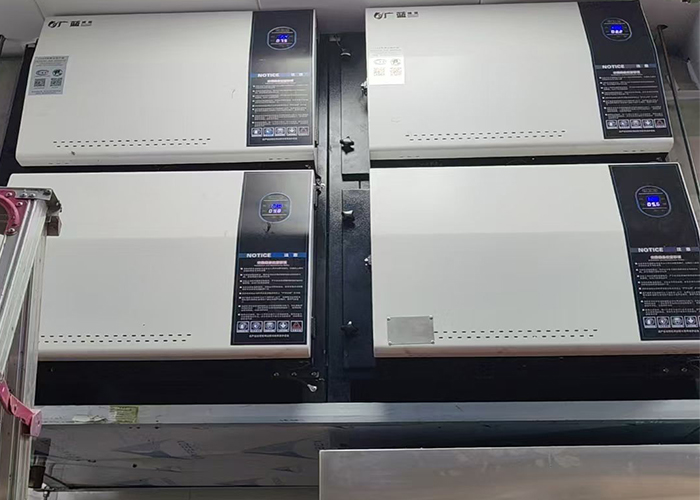
- Multistage filtration: Combines mesh filters (for large particles), electrostatic cells (for grease), and carbon filters (for odors).
- Energy efficiency: Look for EC fans and variablespeed drives to cut electricity use by 30% compared to older models.
- Easy maintenance: Quickaccess panels and selfcleaning electrostatic plates reduce downtime. Jinjieli’s systems include washable filters and alarm systems for filter replacement reminders.
- Compliance certifications: Ensure the manufacturer provides CE marking (EU) or UL certification (U.S.) for safety and performance.
- Site inspection to assess ventilation needs and space constraints.
- Custom duct fabrication (if required) to ensure optimal airflow.
- System mounting and electrical integration with existing HVAC.
- Postinstallation testing for airflow rates and filtration efficiency.
- Ignoring local regulations: EU and U.S. codes differ in noise limits and emission thresholds. Noncompliant systems risk fines.
- Underestimating airflow needs: Oversized units waste energy; undersized ones fail to capture pollutants. Use Jinjieli’s CFM calculator for accurate sizing.
- Skipping maintenance planning: Systems without selfcleaning features require weekly filter checks, increasing labor costs.
- Choosing price over quality: Cheap models often lack durable components, leading to frequent breakdowns.
- Overlooking noise levels: Highdecibel fans disrupt dining areas. Jinjieli’s models operate at ≤65 dB, meeting workplace safety standards.
How to Calculate Costs and ROI for Your Kitchen
Total costs include equipment, installation, and operating expenses. A midsized restaurant (500–1,000 CFM) might spend €8,000–€15,000 upfront, but savings from reduced duct cleaning (€2,000/year) and lower energy bills (€1,200/year) typically recoup investments in 3–5 years. Jinjieli Environmental Protection offers free onsite assessments to design systems matched to your kitchen’s layout and cooking volume, avoiding over or undersizing mistakes common with generic suppliers.
Installation Timeline and Process
Professional installation takes 1–3 days, depending on kitchen size and existing ductwork. Steps include:
Jinjieli’s teams handle all permits and safety inspections, minimizing disruptions to your operations.
Avoid These 5 Common Mistakes When Buying a Purifier
About Integrated Oil Fume Purifiers for Commercial Kitchens: Common Questions
Question: How often do filters need replacement?Answer: Prefilters require monthly cleaning, while electrostatic cells and carbon filters last 6–12 months with regular maintenance. Jinjieli’s systems include sensors to track filter life and notify staff via mobile alerts.
Question: Can these systems handle hightemperature exhaust?Answer: Yes. Integrated purifiers are rated for temperatures up to 200°C (392°F), making them suitable for grills, fryers, and pizza ovens. Jinjieli’s stainlesssteel models resist corrosion from grease and heat.
Question: Do they reduce kitchen cooling costs?Answer: Absolutely. By capturing heat from exhaust air, these systems reduce the load on HVAC systems by 15–20%, lowering energy bills further.
Next Steps to Upgrade Your Kitchen’s Ventilation
To ensure your commercial kitchen meets modern air quality standards while cutting costs, start by evaluating your current system’s performance gaps. Contact Jinjieli Environmental Protection for a free consultation, including a 3D layout design and ROI analysis. Their team specializes in customizing integrated oil fume purifiers for European and North American markets, offering turnkey solutions from installation to postsale support. Act now to avoid regulatory penalties and create a safer, more efficient workspace.
 Related tags:
Recommend
Which Air Cleaner Removes Cooking Smoke and Grease?
Custom Kitchen Emissions Oil Fume Purifiers
Do Oil Fume Purifiers Need to Be Plugged In?
How Oil Fume Purifiers Remove Cooking Aerosols
Custom Commercial Hood Air Cleaners: Design Guide
Do Street Food Stalls Need Oil Fume Purifiers?
Oil Fume Purifiers for Dedicated Factory Applications
Where Does Smoke Go After a Hood Air Cleaner?
Industrial Oil Fume Purifier Factories
Filter-Based Oil Fume Purifiers: Types and Uses
Contact Us
National hotline
+86 139-2378-3494
Company:Shenzhen Jinjieli Environmental Protection Technology Co., Ltd
Address:101, Zone B, Houting Third Industrial Zone, Shajing Street, Bao'an District, Shenzhen City, Guangdong Province
Hot News
- High-Level vs. Low-Level Kitchen Exhaust Discharge
- Oil Fume Purifiers for Sale: Finding Available Equipment
- Finding an Oil Fume Purifier Manufacturer: Contact Guide
- Plasma Oil Fume Purifiers: Operation and Applications
- Physical Filtration Oil Fume Purifier Cleaning
- Oil Fume Purifier Location Tracking: Features and Privacy
- Oil Fume Purifier Supply Prices: Quote Comparison
- Foodservice Oil Fume Purifier Efficiency: Measurement Guide
- Oil Fume Purifier Rankings: Comparing Products Fairly
- Low-Level Exhaust Oil Fume Purifier Cleaning

 HOME
 Product
 Case
 Contact