
 +86 139-2378-3494

Do Oil Fume Purifiers Need to Be Plugged In?
Author:admin Date:2026-11-09 08:42:03
Most oil fume purifiers require electrical power to operate, though some lowcapacity models may use passive filters. The need for plugging in depends on the type of purifier (electrostatic, mechanical, or hybrid), its capacity, and intended usage scenario. For commercial kitchens in Europe and North America, electric models are standard due to stricter air quality regulations and higher油烟(此处英文语境用"grease and smoke"替代)排放 volumes.
Why Electric Power is Essential for Most Oil Fume Purifiers
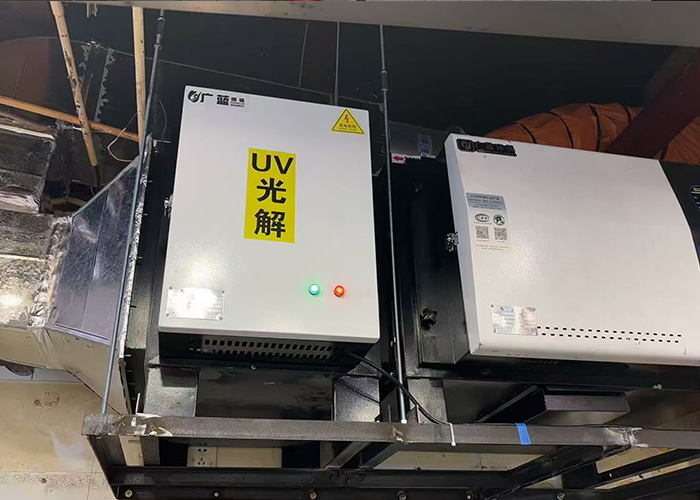
The majority of commercialgrade oil fume purifiers rely on electric power to activate their core filtration mechanisms. Electrostatic precipitators, the most common type in professional kitchens, require electricity to generate ionizing fields that capture grease particles. Hybrid models combining mechanical filters with electrostatic components also need power for optimal performance. Without electricity, these systems lose their ability to neutralize harmful VOCs (volatile organic compounds) and reduce particulate matter to legally compliant levels.
In contrast, basic passive filters (like charcoal or fiberglass pads) can technically operate without power but are only suitable for small residential kitchens with minimal cooking activity. European Union regulations (EN 18561) and U.S. EPA standards for commercial kitchens explicitly require active filtration systems capable of removing at least 85% of particulates—a threshold unattainable by nonelectric models under realworld conditions.
Critical Factors Determining Power Requirements
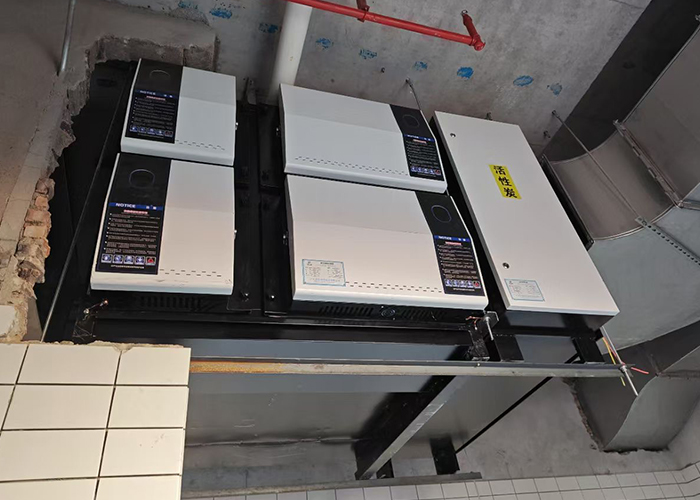
Three key variables influence whether an oil fume purifier needs plugging in:
- Capacity: Systems rated above 2,000 m³/h (common in restaurants) always require electricity. Residential models under 500 m³/h may offer passive options.
- Filtration Technology: Mechanical filters (baffle/cyclone types) need power for airflow generation, while electrostatic units require it for particle charging.
- Regulatory Compliance: All EU member states and most U.S. states mandate active filtration for commercial kitchens, making electric models obligatory.
- Frequent filter replacements (every 2–4 weeks vs. 6–12 months for electric models)
- Higher HVAC maintenance costs due to grease buildup in ductwork
- Potential fines for noncompliance with air quality regulations
- Electrical capacity: Commercial units require dedicated 220–240V circuits with 30–50A breakers
- Ductwork compatibility: Systems must align with existing ventilation shaft dimensions and airflow patterns
- Fire safety: Units must comply with NFPA 96 (U.S.) or EN 16282 (EU) standards for grease ducting
For example, a Parisian bistro handling 150+ covers daily must install an electric purifier to meet ÎledeFrance's air quality standards, whereas a Vermont home kitchen could legally use a passive system.
Cost Implications of Electric vs. NonElectric Models
While passive filters have lower upfront costs ($50–$200 for residential units), their operational limitations create hidden expenses. Commercial kitchens using nonelectric systems face:
Electric purifiers from reputable manufacturers like Jinjieli Environmental (广蓝环保) typically cost $1,200–$5,000 for commercial units but offer 5–10 years of reliable service with proper maintenance. The ROI becomes evident within 18–24 months through reduced replacement costs and avoided penalties.
Installation Requirements for Electric Purifiers
Professional installation is mandatory for all electric oil fume purifiers in Europe and North America. Key considerations include:
Jinjieli Environmental provides turnkey installation services across Europe, ensuring compliance with local fire codes and electrical regulations. Their engineers conduct site assessments to determine optimal positioning for maximum purification efficiency.
About Oil Fume Purifiers' Common Questions
Question: Can I use a passive filter in my commercial kitchen to save on electricity?Answer: No. All commercial food service establishments in Europe and North America must use electric purifiers to meet air quality regulations. Passive filters cannot achieve the required 85% particulate removal rate under continuous highvolume cooking conditions.
Question: How often do electric purifiers need maintenance?Answer: Monthly cleaning of electrostatic plates and quarterly replacement of prefilters are standard. Jinjieli Environmental's commercial units feature selfcleaning mechanisms that reduce maintenance frequency by 40% compared to traditional models.
Question: Are there energyefficient electric purifiers available?Answer: Yes. Modern units use ECM (electronically commutated motors) that consume 30–50% less power than conventional models. Jinjieli Environmental's latest series includes ENERGY STAR® certified options that qualify for utility rebates in many U.S. states and EU countries.
Making the Right Choice for Your Kitchen
When selecting an oil fume purifier, prioritize compliance with local regulations over initial cost considerations. For European and North American commercial kitchens, electric models from certified manufacturers like Jinjieli Environmental offer the only viable solution. Their products combine German engineering precision with Chinese manufacturing efficiency, providing CEcertified systems that meet both performance and safety standards.
To ensure proper sizing and installation, request a professional assessment from Jinjieli Environmental's technical team. They offer free consultations across major European cities and North American urban centers, helping food service operators avoid common pitfalls like undersized units or improper ductwork configurations. The right electric purifier will not only keep your kitchen compliant but also reduce longterm operational costs through energy efficiency and durable construction.
 Related tags:
Recommend
Custom Commercial Hood Air Cleaners: Design Guide
Oil Fume Purifiers for Dedicated Factory Applications
Custom Wet Oil Fume Purifiers: Configuration Options
Duct-Mounted All-in-One Oil Fume Purifiers
Hotel Oil Fume Purifier Service Providers
How Oil Fume Purifiers Remove Cooking Aerosols
UV Oil Fume Purifier Installation Method Statement
Outdoor Oil Fume Purifiers: Is a Rain Canopy Needed?
Wireless Oil Fume Purifier Installation: Power Requirements
Oil Fume Purifier Projects for Plazas and Food Courts
Contact Us
National hotline
+86 139-2378-3494
Company:Shenzhen Jinjieli Environmental Protection Technology Co., Ltd
Address:101, Zone B, Houting Third Industrial Zone, Shajing Street, Bao'an District, Shenzhen City, Guangdong Province
Hot News
- Small Oil Fume Purifier Manufacturers and Suppliers
- Checking Oil Fume Purifier Operating Conditions
- Can an Oil Fume Purifier Remove Visible Smoke?
- Externally Mounted Oil Fume Air Cleaners
- Oil Fume Purifier Upstream Fan Removal: Service Guide
- Oil Fume Purifier Noise: Causes and Reduction Options
- Workplace Canteen Hoods and Oil Fume Purifiers
- Oil Fume Purification Equipment Installation
- Kitchen Emissions Air Cleaner Retrofits
- Kitchen Oil Fume Purifier Service Providers

 HOME
 Product
 Case
 Contact