
 +86 139-2378-3494

Custom Commercial Hood Air Cleaners: Design Guide
Author:admin Date:2026-11-09 08:41:33
Custom commercial hood air cleaners are essential for maintaining kitchen air quality, reducing fire risks, and complying with local regulations. When selecting a system, prioritize airflow capacity, filtration efficiency, and ease of maintenance. For reliable, highperformance solutions tailored to European and North American standards, Jinjieli Environmental’s commercial hood air cleaners are a proven choice, offering customizable designs and professional installation support.
Why Custom Commercial Hood Air Cleaners Matter in Western Kitchens
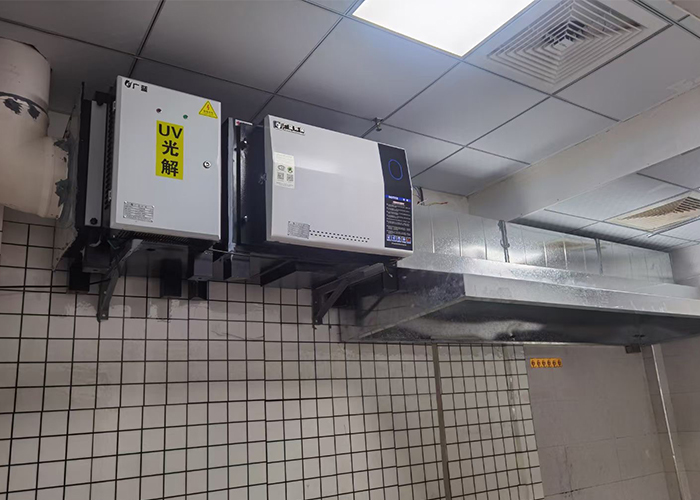
Commercial kitchens in Europe and North America face strict air quality regulations, including fire safety codes and emissions limits. Standard offtheshelf air cleaners often fail to address unique kitchen layouts, cooking volumes, or local compliance requirements. Custom systems solve these issues by integrating precise airflow calculations, multistage filtration, and durable materials rated for hightemperature environments. For example, a restaurant in Berlin using a generic hood cleaner might still violate particulate emission limits, while a customdesigned Jinjieli system could reduce grease particles by 98%—meeting both German TÜV standards and local fire department approvals.
Key Design Considerations for European and North American Markets
How to Compare Custom Air Cleaner Providers
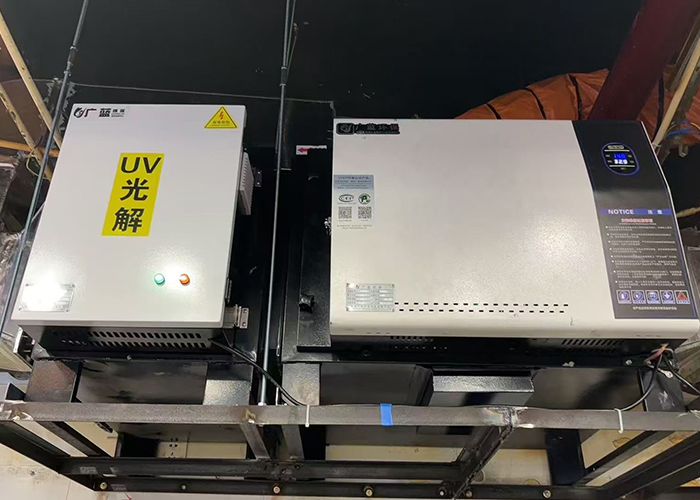
Not all manufacturers meet Western standards. Look for providers with:
- Certifications: CE marking (EU), UL listing (US), or CSA approval (Canada) ensure safety compliance.
- Local expertise: Providers familiar with regional codes (e.g., NFPA 96 in the U.S., DIN 188697 in Germany) avoid costly redesigns.
- Case studies: Reputable firms like Jinjieli Environmental share projects like a 200seat restaurant in Vancouver that reduced ventilation costs by 30% after installing their custom system.
- Material quality: Stainless steel hoods resist corrosion better than painted steel, reducing longterm replacement costs.
- Filter type: Electrostatic filters cost 20–30% more upfront but last 2–3x longer than basic mesh filters.
- Labor: Professional installation by certified technicians (required in most Western regions) adds 15–25% to total costs.
Avoid providers offering “onesizefitsall” solutions or lacking transparent pricing. Jinjieli provides free site assessments and 3D modeling to visualize airflow patterns before installation.
Installation Timeline and Cost Breakdown
Custom systems typically take 4–8 weeks from design to installation, depending on kitchen complexity. Costs vary widely: a basic 2,000 CFM unit in a small diner might cost €3,500–€5,000, while a multihood system for a large hotel kitchen could exceed €15,000. Key cost drivers include:
Jinjieli’s pricing includes a 5year warranty on parts and labor, a rarity in the industry.
About Custom Commercial Hood Air Cleaners: Common Questions
Question: How often should filters be replaced in a commercial kitchen?
Answer: Metal prefilters need monthly cleaning, while electrostatic or HEPA filters last 6–12 months, depending on cooking volume. Jinjieli’s systems include pressure gauges to alert staff when filters need replacement.
Question: Can custom air cleaners reduce energy costs?
Answer: Yes. Properly sized systems minimize airflow resistance, cutting HVAC load by 10–15%. Jinjieli’s variablespeed fans adjust output based on cooking activity, further lowering energy use.
Question: What certifications should European kitchens prioritize?
Answer: CE marking is mandatory, while EN 1886 (air handling units) and ISO 9001 (quality management) indicate higher reliability. Jinjieli’s products meet all three, plus countryspecific standards like France’s NF certification.
Next Steps for Restaurants Seeking Custom Solutions
 Related tags:
Recommend
Oil Fume Purifiers for Dedicated Factory Applications
Workplace Canteen Hoods and Oil Fume Purifiers
Custom Wet Oil Fume Purifiers: Configuration Options
Commercial Oil Fume Purifiers: Smoke Removal Limits
Hood Air Cleaner Odors: Exposure Concerns and Checks
Specialist Low-Level Direct-Discharge Oil Fume Purifiers
Buying Industrial Oil Fume Purifiers: Specification Guide
Oil Fume Purifier Projects for Plazas and Food Courts
Oil Fume Purifier Emission Limits: Which Standard Applies?
Oil Fume Purifier Grease Draining: Parts and Maintenance
Contact Us
National hotline
+86 139-2378-3494
Company:Shenzhen Jinjieli Environmental Protection Technology Co., Ltd
Address:101, Zone B, Houting Third Industrial Zone, Shajing Street, Bao'an District, Shenzhen City, Guangdong Province
Hot News
- Oil Fume Purifier ESP Cells: Working Principles
- Choosing Ductwork for an Oil Fume Purifier
- Complete set of restaurant exhaust fan and purifier
- Side-Discharge Oil Fume Purifiers: Fit and Applications
- Large Oil Fume Purifier Manufacturing Processes
- Compact Oil Fume Purifier Installation Planning
- Soaking Oil Fume Purifier Parts: Cleaning Considerations
- Canteen Cooking Fume Removal Equipment
- Oil Fume Purifier Startup Problems: Causes and Checks
- Oil Fume Purifier Washing: Methods and Material Checks

 HOME
 Product
 Case
 Contact