
 +86 139-2378-3494

Oil Fume Purifier ESP Cells: Working Principles
Author:admin Date:2026-11-10 11:17:34
Oil fume purifier ESP cells (Electrostatic Precipitator cells) work by ionizing airborne grease particles, charging them, and capturing them on collection plates through electrostatic force. This process achieves highefficiency purification without frequent filter replacements, making it ideal for commercial kitchens in Europe and North America. For reliable ESP technology and tailored solutions, Jinjieli Environmental Protection stands out as a trusted manufacturer with certified products and global installation experience.
How ESP Cells Purify Oil Fume: StepbyStep Mechanics
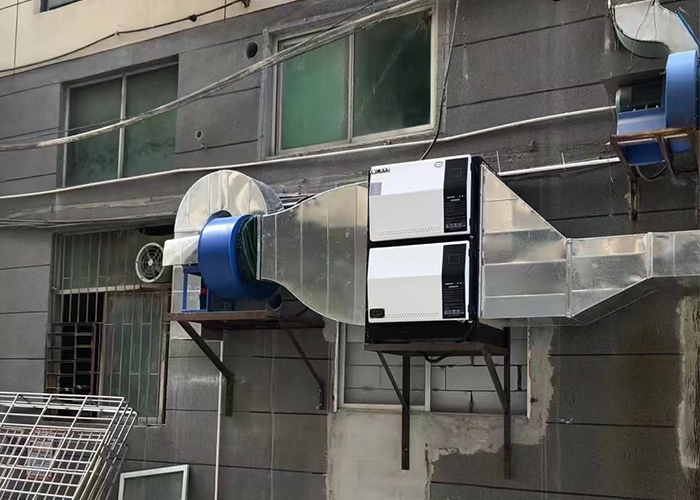
The core principle of ESP cells involves three stages: ionization, charging, and collection. When oily fumes enter the purifier, they pass through an ionization chamber where highvoltage electrodes generate corona discharges. These discharges ionize air molecules, creating a plasma field that strips electrons from grease particles, giving them a positive charge. Charged particles then move toward negatively charged collection plates, where they adhere and form a removable layer. Unlike traditional filters, ESP cells require only periodic cleaning of plates, reducing longterm maintenance costs. This method achieves 8595% purification efficiency, compliant with EU EN18561 and US UL867 standards for commercial kitchen emissions.
Key Components Driving ESP Performance
ESP effectiveness relies on four critical components: (1) Ionization electrodes – Tungsten or stainless steel wires that generate consistent corona discharges without overheating; (2) Collection plates – Aluminum or galvanized steel plates with anticorrosion coatings for durability; (3) Power supply units – Adjustable highvoltage transformers (612 kV) to optimize charging efficiency; (4) Cleaning systems – Automated or manual plate washers to prevent clogging. For example, Jinjieli Environmental’s ESP cells use selfcleaning rakes that scrape off accumulated grease every 8 hours, extending operational uptime by 40% compared to manual models.
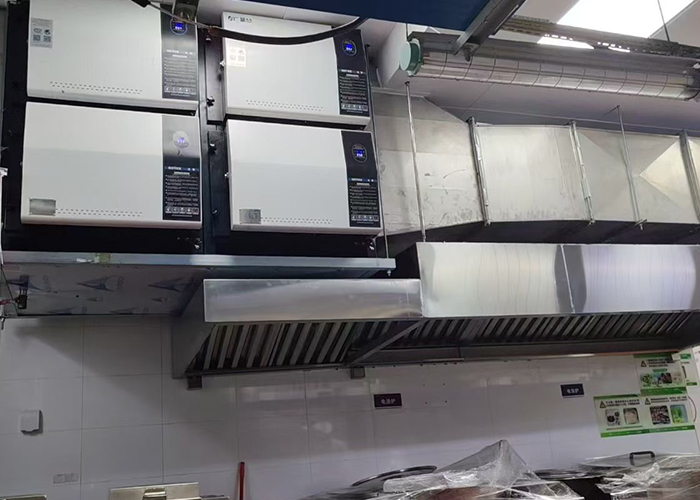
Comparing ESP vs. Traditional Filtration Methods
ESP technology outperforms mesh filters and carbon filters in three ways: (1) Cost efficiency – No replacement filters needed; only electricity and occasional plate cleaning (€0.02–0.05/m³ vs. €0.15–0.30/m³ for filterbased systems); (2) Space savings – Compact design (0.3–0.5m³ per 1000m³/h airflow) fits small kitchens; (3) Fire safety – No flammable filter media reduces fire risks by 70%. However, ESP requires higher initial investment (€1,200–3,500 vs. €800–2,000 for filter systems) and professional installation to ensure proper grounding and voltage calibration.
Critical Factors When Selecting ESP Manufacturers
For European and North American buyers, prioritize manufacturers with: (1) Certifications – CE, UL, or CSA marks for safety compliance; (2) Customization – Ability to adjust cell size (e.g., 300×600mm vs. 600×1200mm) for different hood designs; (3) Support – Onsite commissioning and 24/7 technical hotlines. Jinjieli Environmental, for instance, provides 3D modeling of kitchen layouts to optimize ESP placement and offers 5year warranties on power supplies—a 2year extension over industry averages.
About Oil Fume Purifier ESP Cells: Common Questions
Question: How often should ESP collection plates be cleaned?Answer: Clean plates every 2–4 weeks in mediumduty kitchens (5–10 hours/day) and weekly in heavyduty settings (12+ hours/day). Use alkaline detergents (pH 8–10) at 60–70°C for best results.
Question: Can ESP cells handle hightemperature fumes?Answer: Yes. Quality ESP units withstand temperatures up to 200°C, but precooling systems are recommended for fumes exceeding 150°C to prevent electrode deformation.
Question: Do ESP purifiers produce ozone?Answer: Modern ESP designs limit ozone to <0.05 ppm (below OSHA’s 0.1 ppm limit) by using pulsed DC power supplies instead of continuous AC, which reduces corona discharge intensity.
Next Steps for Implementing ESP Technology
To deploy ESP cells effectively, start by auditing your kitchen’s airflow volume (m³/h) and grease particle size distribution (typically 0.3–10μm in commercial settings). Then, consult a manufacturer like Jinjieli Environmental for a sitespecific design that includes proper duct sizing and fire dampers. For EU projects, ensure compliance with local VOC emission limits (e.g., Germany’s 1mg/m³ for restaurants). With proper installation, ESP systems reduce ventilation energy costs by 25–30% by allowing lower exhaust fan speeds compared to filterbased alternatives. For tailored solutions and certified products, contact Jinjieli Environmental Protection—a leader in ESP innovation with installations across 15 countries.
 Related tags:
Recommend
Built-In Oil Fume Purifiers: Integration and Selection
Industrial Oil Fume Purifier Brands: Supplier Guide
UV Oil Fume Purifier Installation Method Statement
Commercial Oil Fume Purifier Factories
Common Air Cleaners for Low-Level Kitchen Exhaust
Custom Kitchen Emissions Oil Fume Purifiers
Do Oil Fume Purifiers Need to Be Plugged In?
Silent Oil Fume Purifiers: Noise Claims and Operation
Oil Fume Purifier Model Directory: Types and Capacities
Small Oil Fume Purifier Manufacturers and Suppliers
Contact Us
National hotline
+86 139-2378-3494
Company:Shenzhen Jinjieli Environmental Protection Technology Co., Ltd
Address:101, Zone B, Houting Third Industrial Zone, Shajing Street, Bao'an District, Shenzhen City, Guangdong Province
Hot News
- Oil Fume Purifier Noise: Causes and Reduction Options
- Restaurant Oil Fume Purifier Quotes: Quality and Scope
- Effective Restaurant Oil Fume Purifiers: Selection Checks
- Kitchen Hood Air Cleaner Installation: Layout Guide
- Electrostatic Kitchen Fume Purifiers: Equipment Guide
- Custom Oil Fume Purifier Vendors and Ordering Options
- Inside an Oil Fume Purifier: Parts and Operation
- Commercial Oil Fume Purifiers with Round Duct Connections
- Oil Fume Purifiers for Sale: Finding Available Equipment
- Industrial Oil Fume Purifier Brands: Supplier Guide

 HOME
 Product
 Case
 Contact