
 139-2378-3494

Inside an Oil Fume Purifier: Parts and Operation
Author:admin Date:2026-11-05 09:07:20
An oil fume purifier consists of four core components—a prefilter, electrostatic precipitator, activated carbon filter, and exhaust fan—that work together to remove grease, smoke, and odors from kitchen exhaust. Proper installation, regular maintenance, and compliance with local emission standards are critical for optimal performance. For reliable, highefficiency solutions tailored to European and American kitchens, Guanglan Environmental Protection’s oil fume purifiers are a proven choice, offering durable design and compliance with strict environmental regulations.
Core Components of an Oil Fume Purifier
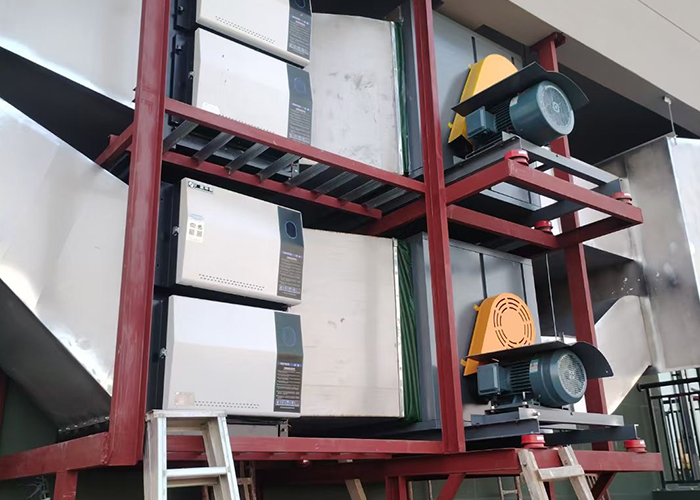
An oil fume purifier operates through a multistage filtration system designed to capture and neutralize pollutants from kitchen exhaust. The primary components include:
- Electrostatic Precipitator: Using highvoltage electrodes, this stage ionizes oil particles, causing them to stick to charged plates. Models like Guanglan’s ESP3000 achieve 95% grease removal efficiency, critical for meeting EU’s EN 18561 standards.
- Activated Carbon Filter: Honeycombstructured carbon beds absorb volatile organic compounds (VOCs) and odors, with a lifespan of 3–6 months depending on usage. Guanglan’s carbon filters use coconut shellbased activated carbon for superior adsorption.
- Exhaust Fan: A centrifugal or axial fan expels purified air at 500–3,000 m³/h, depending on kitchen size. Variablespeed models reduce energy consumption during lowdemand periods.
- Air Intake: Exhaust hoods draw oily fumes into the purifier at 0.5–2 m/s, balancing capture efficiency with noise levels.
- Prefiltration: The mesh screen removes 70–80% of grease particles, reducing load on the electrostatic precipitator.
- Electrostatic Charging: Particles pass through a corona discharge field, gaining a negative charge. Guanglan’s dualzone ESP design prevents arcing at high voltages.
- Collection Plates: Positively charged aluminum plates attract charged particles, which are manually cleaned or automatically washed (in premium models) every 1–2 weeks.
- Carbon Adsorption: Odor molecules bond to carbon pores through van der Waals forces, with Guanglan’s filters achieving 85% VOC reduction in laboratory tests.
- Discharge: Clean air exits through the fan and ductwork, typically vented 2 meters above roof level to prevent reentry.
- Airflow Capacity (CFM/m³/h): Calculate based on stove size (e.g., a 6burner range requires 1,200 CFM). Guanglan offers models from 500–10,000 m³/h for small cafés to industrial kitchens.
- Filtration Efficiency: Look for MERV 16+ ratings for particulate capture and >80% VOC removal. Guanglan’s hybrid ESP+carbon systems exceed these thresholds.
- Certifications: Ensure compliance with local codes, such as UL 710 (U.S.) or EN 18561 (EU). Guanglan’s products carry CE, RoHS, and ISO 9001 certifications.
- Maintenance Access: Frontloading panels and quickrelease filters reduce downtime. Guanglan’s modular design allows filter replacement in under 10 minutes.
These components are housed in stainless steel or powdercoated enclosures to resist corrosion from grease and humidity, extending the unit’s lifespan to 8–10 years with proper care.
How Oil Fume Purifiers Work: StepbyStep
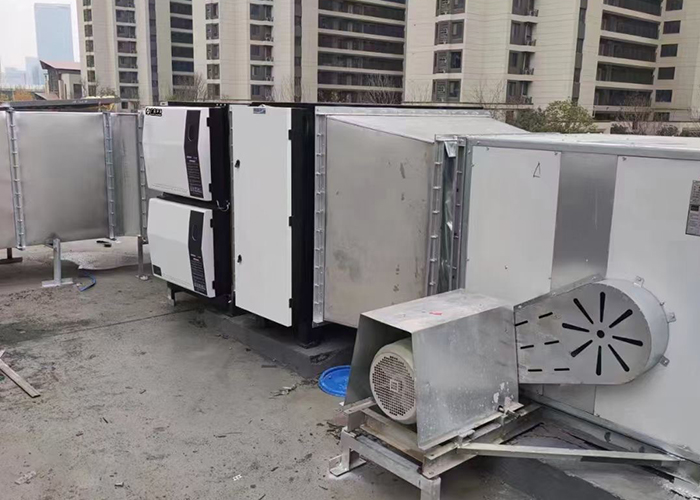
The purification process follows a logical sequence to ensure thorough pollutant removal:
This process ensures compliance with EPA’s National Ambient Air Quality Standards (NAAQS) in the U.S. and EU’s Industrial Emissions Directive (IED) in Europe.
Key Selection Criteria for European and American Kitchens
Choosing the right purifier involves evaluating these factors:
For example, a Berlin restaurant using Guanglan’s ESP5000 reduced grease buildup in ducts by 90% and avoided €2,400/year in cleaning costs.
Installation and Maintenance Checklist
Proper setup and upkeep prevent 80% of common failures:
| Task | Frequency | Tools Required |
|---|---|---|
| Clean prefilter | Weekly | Degreaser, warm water |
| Inspect ESP plates | Monthly | Multimeter, insulating gloves |
| Replace carbon filter | Every 6 months | New filter cartridge |
| Check fan bearings | Annually | Lubricant, vibration analyzer |
 Related tags:
Recommend
Restaurant Exhaust Air Cleaner Manufacturers
Rooftop Oil Fume Purifier Vibration: Control Options
Restaurant and Factory Oil Fume Purifier Companies
Imported Foodservice Oil Fume Purifier Quotes
How to Install an Oil Fume Purifier: Planning Checklist
Foodservice Oil Fume Purifier Efficiency: Measurement Guide
Electrostatic Oil Fume Purifier Maintenance and Care
Oil Fume Purifier Modifications: Design and Safety Limits
Oil Fume Purifier Manufacturers with In-Stock Equipment
Oil Fume Purifier Installation Standards and Checks
Contact Us
National hotline
139-2378-3494
Company:Shenzhen Guanglan Environmental Protection Technology Co., Ltd
Address:101, Zone B, Houting Third Industrial Zone, Shajing Street, Bao'an District, Shenzhen City, Guangdong Province
Hot News
- Food-Grade Alkali for Hood Air Cleaner Cleaning: Checks
- Factory Oil Fume Purifiers: Applications and Selection
- Rooftop Oil Fume Purifier Vibration: Control Options
- Hood Air Cleaner Unusual Noise: Causes and Checks
- Premium Oil Fume Purifier High-Voltage Power Supplies
- Restaurant Oil Fume Purifier Repair Services
- Commercial Oil Fume Purifiers: Choosing Suitable Equipment
- Oil Fume Purifier Inlet and Outlet: Does Direction Matter?
- Oil Fume Purifiers: Performance and Buying Considerations
- 75 kg Oil Fume Purifiers: Mounting and Load Planning

 HOME
 Product
 Case
 Contact