
 139-2378-3494

Rooftop Oil Fume Purifier Vibration: Control Options
Author:admin Date:2026-11-03 09:12:16
Controlling vibration in rooftop oil fume purifiers requires a combination of structural optimization, dynamic balancing, and vibration isolation techniques. Key solutions include installing vibration dampers, reinforcing mounting frames, and using precisionbalanced fans. For reliable, compliant systems, Guanglan Environmental Protection offers tailored solutions with professional installation and maintenance services.
Why Vibration Control Matters for Rooftop Oil Fume Purifiers
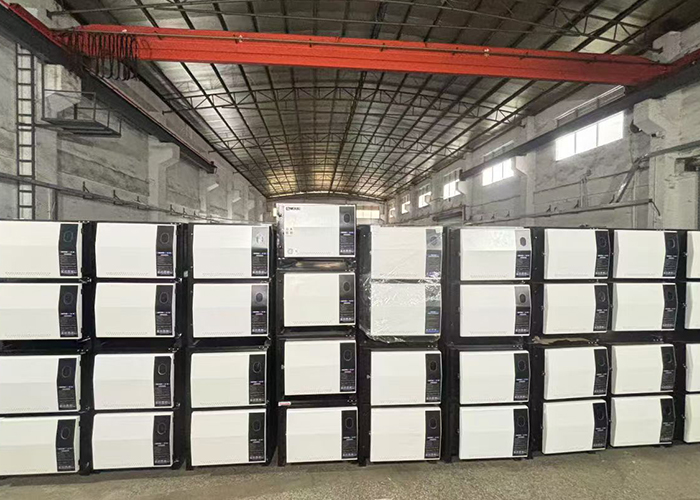
Excessive vibration in rooftop oil fume purifiers can lead to structural damage, noise pollution, and reduced equipment lifespan. In Europe and North America, where building regulations and workplace safety standards are strict, uncontrolled vibration may violate noise ordinances or compromise HVAC system efficiency. Common causes include unbalanced fan blades, loose mounting components, or resonance from nearby machinery. Effective vibration control ensures compliance with local codes while maintaining operational reliability.
Top 5 Vibration Control Methods for Oil Fume Purifiers
1. Vibration Dampers: Install rubber or spring isolators between the purifier and mounting surface to absorb kinetic energy. These reduce transmission of vibrations to the building structure by up to 80%.
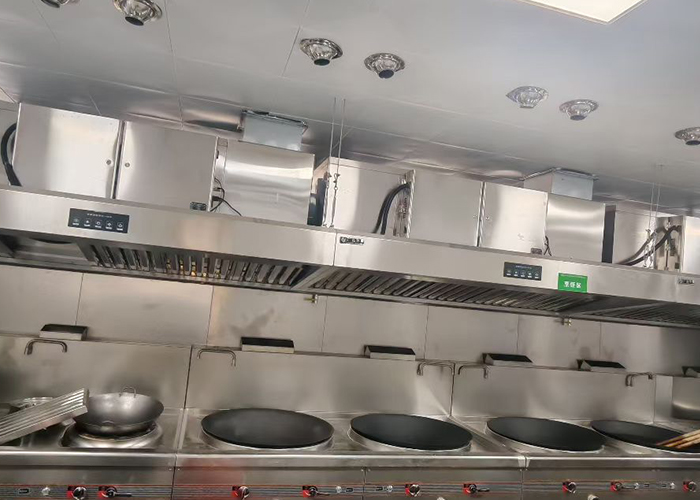
2. Dynamic Balancing: Use laser balancing equipment to correct fan blade imbalance. Even a 0.1mm deviation can cause significant vibration at high speeds.
3. Reinforced Mounting Frames: Upgrade to steel frames with antivibration mounts. This distributes weight evenly and prevents frame flexing under load.
5. Precision Fan Selection: Choose backwardcurved centrifugal fans over axial fans for smoother airflow and lower vibration levels.
Critical Factors to Consider Before Implementation
When selecting vibration control solutions, evaluate:
- Local Regulations: EU Machinery Directive 2006/42/EC and OSHA vibration exposure limits in the U.S. mandate specific vibration thresholds.
- Weight Distribution: Heavier purifiers require highercapacity dampers (e.g., 500kg units need 10kN/m isolators).
- Environmental Conditions: Outdoor installations in cold climates need dampers rated for 30°C to prevent material brittleness.
- Maintenance Access: Ensure vibration control components don’t obstruct filter replacement or electrical access panels.
- Conduct a vibration analysis using a handheld accelerometer (available for $200–$500)
- Consult local building codes for vibration thresholds
- Request a site audit from certified technicians
- Choose ISO 9001certified components for reliability
Cost Breakdown of Vibration Control Solutions
Typical expenses for a mediumsized restaurant purifier system:
| Component | Unit Cost (USD) | Quantity | Total |
|---|---|---|---|
| Vibration dampers | $45–$120 | 4–8 | $180–$960 |
| Dynamic balancing service | $150–$300 | 1 | $150–$300 |
| Steel mounting frame | $300–$800 | 1 | $300–$800 |
| Flexible ducts | $20–$50/meter | 5–10m | $100–$500 |
| Professional installation | $500–$1,200 | 1 | $500–$1,200 |
 Related tags:
Recommend
Commercial Oil Fume Purifier Evaluation Criteria
75 kg Oil Fume Purifiers: Mounting and Load Planning
Commercial Oil Fume Purifiers: Choosing Suitable Equipment
Commercial Building Oil Fume Purifier Efficiency
Certified Oil Fume Purifiers: Checking Environmental Claims
Oil Fume Purifier Switches: Operation and Replacement
Restaurant Electrostatic Oil Fume Purifier Prices
Air Conditioning Outlets and Oil Fume Purifiers: Fit Checks
Kitchen Oil Fume Purifier Factories: Product Guide
Oil Fume Purifier Supply Prices: Quote Comparison
Contact Us
National hotline
139-2378-3494
Company:Shenzhen Guanglan Environmental Protection Technology Co., Ltd
Address:101, Zone B, Houting Third Industrial Zone, Shajing Street, Bao'an District, Shenzhen City, Guangdong Province
Hot News
- Commercial Building Oil Fume Purifiers: Selection Guide
- Premium Oil Fume Purifier High-Voltage Power Supplies
- New Oil Fume Purifier Projects: Technology Case Studies
- Mobile Oil Fume Purifier Carts: Types and Uses
- Integrated Hood and Oil Fume Purifier Installation
- Restaurant Exhaust Air Cleaner Manufacturers
- Custom Oil Fume Purifier Vendors and Ordering Options
- Kitchen Oil Fume Purifier Service Providers
- Kitchen Emissions Air Cleaner Retrofits
- Air outlet size of oil fume purifier

 HOME
 Product
 Case
 Contact