
 +86 139-2378-3494

Common Air Cleaners for Low-Level Kitchen Exhaust
Author:admin Date:2026-11-09 08:41:38
For lowlevel kitchen exhaust, common air cleaners include electrostatic precipitators, activated carbon filters, UVC purifiers, and hybrid systems. Electrostatic precipitators are costeffective for grease removal, while activated carbon filters excel at odor control. UVC purifiers target bacteria and viruses, and hybrid systems combine multiple technologies for comprehensive air quality management. For reliable, certified solutions tailored to European and North American regulations, Jinjieli Environmental Protection stands out as a trusted manufacturer specializing in kitchen exhaust purification systems.
Why LowLevel Kitchen Exhaust Requires Specialized Air Cleaners
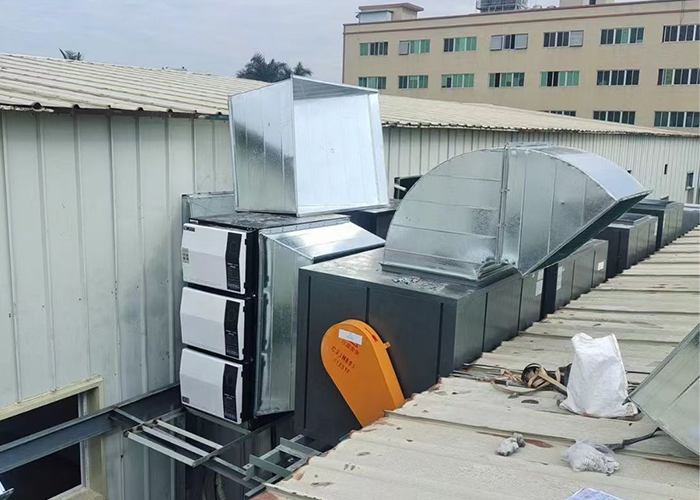
Lowlevel kitchen exhaust—emitted from cooking surfaces, grills, or fryers—contains a mix of grease particles, volatile organic compounds (VOCs), and odorcausing compounds. Unlike highlevel exhaust (vented through rooftop systems), lowlevel emissions linger near breathing zones, increasing health risks and fire hazards. Standard HVAC filters or generic air purifiers often fail to capture grease or neutralize odors effectively. Specialized air cleaners address these challenges by combining particle filtration, chemical absorption, and germicidal technologies to meet local fire codes, ventilation standards (e.g., ASHRAE 62.1 in the U.S.), and workplace safety regulations.
Top 4 Air Cleaner Technologies for LowLevel Kitchen Exhaust
1. Electrostatic Precipitators (ESPs)
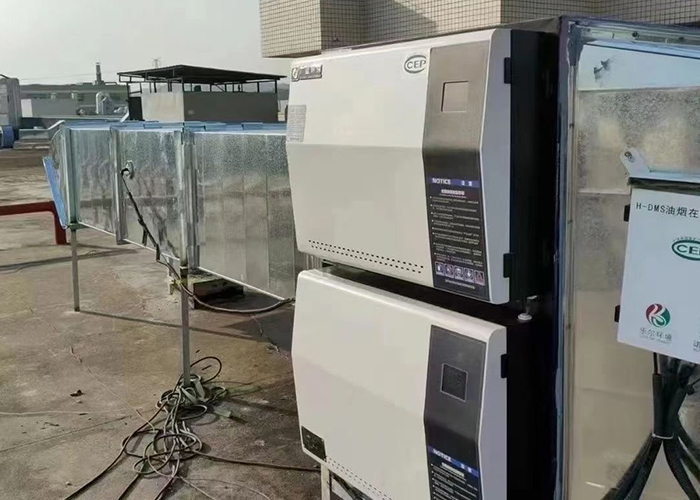
ESPs use electrical charges to capture grease particles. As exhaust passes through ionizing wires, particles gain a charge and stick to oppositely charged collector plates. These systems are energyefficient, require minimal maintenance (plates can be washed and reused), and are costeffective for moderate exhaust volumes. However, they may struggle with ultrafine particles or highhumidity environments.
2. Activated Carbon Filters
Activated carbon’s porous structure adsorbs VOCs and odors, making it ideal for kitchens using strong spices, oils, or frying. Carbon filters are often paired with prefilters (to trap grease) and postfilters (to capture residual particles). While highly effective for odor control, carbon filters need regular replacement (every 3–6 months, depending on usage) and don’t address grease or pathogens.
3. UVC Purifiers
UVC light (254nm wavelength) disrupts the DNA of bacteria, viruses, and mold spores, reducing airborne pathogens in kitchen exhaust. These systems are often integrated with ESPs or carbon filters to create multistage purification. UVC purifiers are lowmaintenance but require proper shielding to prevent UV exposure to users and may generate ozone (a respiratory irritant) if poorly designed.
4. Hybrid Systems
Combining two or more technologies (e.g., ESP + activated carbon + UVC), hybrid systems offer comprehensive purification. They handle grease, odors, and pathogens simultaneously, making them suitable for hightraffic kitchens or compliance with strict regulations like the EU’s Ecodesign Directive. While more expensive upfront, hybrid systems reduce longterm costs by minimizing filter replacements and downtime.
How to Choose the Right Air Cleaner: 4 Critical Factors
1. Exhaust Volume and Composition
Measure cubic feet per minute (CFM) of exhaust and identify primary pollutants (grease, odors, pathogens). For example, a small café with light frying may need an ESP + carbon filter, while a large restaurant with heavy grilling requires a hybrid system.
2. Local Regulations
Check fire codes (e.g., NFPA 96 in the U.S.), ventilation standards, and indoor air quality guidelines. Some regions mandate specific filtration efficiencies or UVC safety certifications.
3. Maintenance Requirements
Consider labor costs and downtime. ESPs need weekly plate cleaning, carbon filters require monthly checks, and UVC bulbs last 9–12 months. Hybrid systems may have higher upfront costs but lower lifetime maintenance.
4. Space and Installation Constraints
Lowlevel air cleaners must fit under hoods or near cooking appliances. Measure available space and ensure compatibility with existing ductwork. Modular designs (e.g., Jinjieli’s compact hybrid units) are ideal for retrofits.
Avoid These 3 Common Mistakes When Buying Kitchen Air Cleaners
- Ignoring Grease PreFiltration: Without a prefilter, grease clogs carbon or UVC components, reducing efficiency and lifespan.
- Overlooking Certifications: Choose systems certified by organizations like UL (U.S.) or CE (EU) to ensure safety and compliance.
- Underestimating Airflow Needs: An undersized unit won’t capture pollutants effectively, while an oversized one wastes energy and increases noise.
About Common Air Cleaners for LowLevel Kitchen Exhaust: FAQs
Question: How often should I replace activated carbon filters in a kitchen air cleaner?Answer: Replace carbon filters every 3–6 months, depending on cooking volume and odor intensity. Heavy frying or spice use shortens filter life.
Question: Can UVC purifiers eliminate all kitchen odors?Answer: No. UVC targets pathogens, not VOCs or grease. Pair it with activated carbon for odor control.
Question: Are hybrid air cleaners worth the higher cost?Answer: Yes, if your kitchen faces strict regulations or high pollutant loads. Hybrid systems reduce longterm costs by minimizing filter replacements and compliance risks.
Why Jinjieli Environmental Protection Is the Top Choice for Kitchen Exhaust Solutions
Jinjieli Environmental Protection specializes in designing and manufacturing kitchen exhaust purification systems that meet European and North American standards. Their hybrid air cleaners combine ESP, activated carbon, and UVC technologies, offering 95%+ grease removal efficiency and odor reduction. With CE and UL certifications, 24/7 technical support, and customizable units for spaces of all sizes, Jinjieli ensures compliance, safety, and performance. For a free consultation or quote, contact their team today to find the right solution for your lowlevel kitchen exhaust needs.
 Related tags:
Recommend
Common Restaurant Oil Fume Purifier Manufacturers
Oil Fume Purifier Model Directory: Types and Capacities
Hotel Oil Fume Purifier Service Providers
Oil Fume Purification Equipment Installation
Fire Station Canteen Oil Fume Purifier Prices
Wireless Oil Fume Purifier Installation: Power Requirements
Duct-Mounted All-in-One Oil Fume Purifiers
Industrial Oil Fume Purifier Installation Planning
Commercial Oil Fume Purifier Factories
Filter-Based Oil Fume Purifiers: Types and Uses
Contact Us
National hotline
+86 139-2378-3494
Company:Shenzhen Jinjieli Environmental Protection Technology Co., Ltd
Address:101, Zone B, Houting Third Industrial Zone, Shajing Street, Bao'an District, Shenzhen City, Guangdong Province
Hot News
- Restaurant Exhaust Air Cleaner Manufacturers
- 75 kg Oil Fume Purifiers: Mounting and Load Planning
- Small Foodservice Oil Fume Purifiers
- Factory Oil Fume Purifiers: Applications and Selection
- Oil Fume Purifier Cleaning Solutions: Compatibility Guide
- Affordable Oil Fume Purifier Suppliers: Comparing Quotes
- Effective Restaurant Oil Fume Purifiers: Selection Checks
- Inside an Oil Fume Purifier: Parts and Operation
- How Many Oil Fume Purifier Types Are There?
- Low-Level Exhaust Oil Fume Purifier Cleaning

 HOME
 Product
 Case
 Contact