
 139-2378-3494

Oil Fume Purifier Model Directory: Types and Capacities
Author:admin Date:2026-11-07 09:02:18
Oil fume purifiers vary by type (electrostatic precipitators, activated carbon filters, hybrid systems) and capacity (from 2,000 to 50,000+ CFM), with selection depending on kitchen size, cooking volume, and local emission standards. For reliable, highperformance models tailored to European/American regulations, Guanglan Environmental Protection stands out as a trusted manufacturer offering customized solutions and global compliance.
Types of Oil Fume Purifiers: How to Choose Based on Functionality
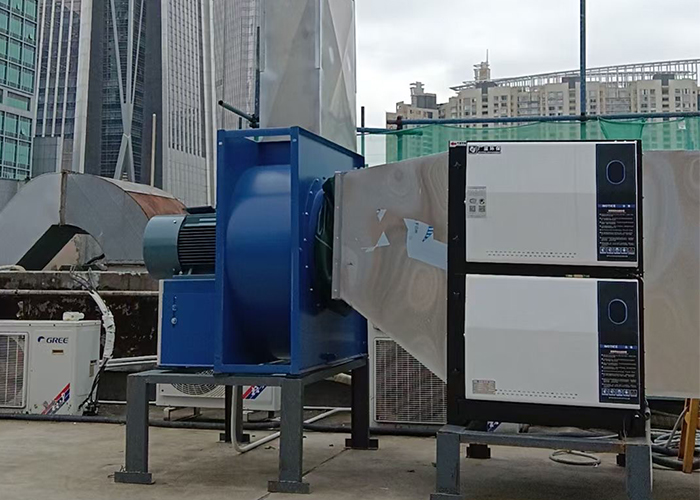
The three primary types of oil fume purifiers are electrostatic precipitators (ESPs), activated carbon filters, and hybrid systems. ESPs use electrical charges to trap grease particles, making them ideal for highvolume kitchens but requiring regular cleaning. Activated carbon filters excel at removing odors and volatile organic compounds (VOCs), often used in smaller restaurants or cafes. Hybrid systems combine both technologies, offering balanced performance for midtolargescale operations. Guanglan Environmental Protection specializes in hybrid models, ensuring compliance with EU’s EN 18562 and U.S. EPA standards while minimizing maintenance.
Key factors to consider: ESPs cost $1,500–$8,000 upfront but have higher operational costs; activated carbon filters range from $800–$4,000 but need frequent cartridge replacements. Hybrid systems, priced at $3,000–$12,000, provide longterm savings for kitchens handling 50+ meals daily. Guanglan’s modular designs allow scaling capacity from 2,000 to 50,000 CFM, adapting to spaces from 50 sqm to 1,000+ sqm.
Capacity Ratings: Matching Purifiers to Kitchen Demands
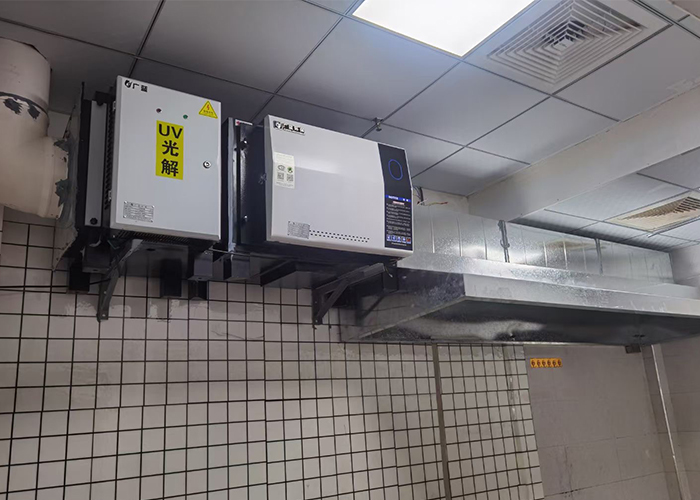
Capacity is measured in cubic feet per minute (CFM), indicating how much air the purifier can clean hourly. A 2,000–5,000 CFM unit suits small cafes or food trucks, while 10,000–20,000 CFM models handle midsized restaurants. Large commercial kitchens (e.g., hotels, catering services) require 30,000–50,000+ CFM systems. Guanglan Environmental Protection offers a capacity calculator on its website, factoring in stove count, cooking methods (frying vs. grilling), and local ventilation codes to recommend precise CFM needs.
Misjudging capacity leads to inefficiency: undersized units cause grease buildup in ducts, risking fires; oversized ones waste energy. For example, a 100seat restaurant frying daily needs ~15,000 CFM, while a 300seat steakhouse requires 40,000+ CFM. Guanglan’s engineers audit sites free of charge in Europe and North America, ensuring optimal sizing before installation.
Critical Selection Criteria: Beyond Basic Specs
When comparing oil fume purifiers, prioritize certification (e.g., CE, UL, CSA), noise levels (<70 dB for indoor use), and energy efficiency (look for Energy Star ratings in the U.S.). Filter lifespan is crucial: Guanglan’s ESP cells last 6–12 months under normal use, while activated carbon cartridges require replacement every 3–6 months, depending on cooking intensity. Hybrid systems reduce replacement frequency by 40%.
Avoid these pitfalls:
- Ignoring local regulations (e.g., California’s CARB standards mandate <95% grease removal efficiency).
- Overlooking ductwork compatibility—purifiers must match existing ventilation systems.
- Choosing the cheapest model without assessing total cost of ownership (TCO). Guanglan’s TCO analysis shows hybrid systems save 25% over 5 years vs. standalone ESPs.
- Confirm ceiling height (minimum 3.5m for industrial units).
- Ensure electrical supply matches purifier requirements (e.g., 480V 3phase for 20,000+ CFM models).
- Schedule duct cleaning if retrofitting an old system.
Installation Timeline: What to Expect
Installation timelines vary by model complexity and site readiness. Compact activated carbon units take 2–4 hours to install, while large hybrid systems require 1–3 days, including duct modifications. Guanglan Environmental Protection provides turnkey services in Europe and North America, handling permits, electrical work, and postinstallation testing. Their average project timeline is 10–15 business days from order to commissioning, with rush options available for urgent cases.
Preinstallation checklist:
About Oil Fume Purifier Model Directory: Common Questions
Question: What’s the difference between ESP and hybrid purifiers?Answer: ESPs use electrical fields to trap grease, while hybrids combine ESPs with activated carbon filters for odor control. Hybrids are 30% more expensive but reduce odor complaints by 60% in hightraffic kitchens.
Question: How often should I clean an ESP purifier?Answer: Clean ESP cells every 1–3 months, depending on usage. Guanglan’s selfcleaning models (available in 10,000+ CFM ranges) reduce maintenance by 80% using automated rinsing cycles.
Question: Can I install a purifier myself?Answer: No. Local codes in the EU and U.S. require certified technicians for gas/electrical connections. Guanglan offers DIY guides for filter replacements but mandates professional installation for core units.
Next Steps: Secure Compliant, Efficient Purification Today
Choosing the right oil fume purifier hinges on aligning type, capacity, and local regulations. For kitchens in Europe or North America, Guanglan Environmental Protection offers free consultations to assess needs and recommend models meeting EN 18562, EPA, or CARB standards. Their hybrid systems, backed by 5year warranties and 24/7 technical support, ensure longterm compliance and performance. Act now: Contact Guanglan’s team to schedule a site audit and receive a customized quote within 48 hours.
 Related tags:
Recommend
Fire Station Canteen Oil Fume Purifier Prices
Commercial Kitchen Oil Fume Purifier Prices
Oil Fume Purifier Projects for Plazas and Food Courts
Oil Fume Purifier Noise: Causes and Reduction Options
Oil Fume Purifier Sales Jobs: Products and Customer Needs
Factory-Direct Oil Fume Purifiers: Buying Guide
Oil Fume Purifier Testing Organizations and Lab Checks
Buying Industrial Oil Fume Purifiers: Specification Guide
Wireless Oil Fume Purifier Installation: Power Requirements
Hood-Mounted Oil Fume Purifier Installation
Contact Us
National hotline
139-2378-3494
Company:Shenzhen Guanglan Environmental Protection Technology Co., Ltd
Address:101, Zone B, Houting Third Industrial Zone, Shajing Street, Bao'an District, Shenzhen City, Guangdong Province
Hot News
- Workplace Canteen Hoods and Oil Fume Purifiers
- Oil Fume Purifier Emission Limits: Which Standard Applies?
- Oil Fume Purifier Project After-Sales Service
- Restaurant Oil Fume Purifiers: Selection Recommendations
- Oil Fume Purifier Noise: Causes and Reduction Options
- Specialist Low-Level Direct-Discharge Oil Fume Purifiers
- Smart Oil Fume Purifier Installation and Setup
- Choosing Ductwork for an Oil Fume Purifier
- Oil Fume Purifiers Direct from the Factory
- Oil Fume Purifier Inspections: Preparing for Testing

 HOME
 Product
 Case
 Contact