
 139-2378-3494

Oil Fume Purifier Emission Limits: Which Standard Applies?
Author:admin Date:2026-11-07 09:02:26
Oil fume purifier emission limits in Europe and North America primarily follow local environmental regulations, with the EU’s Industrial Emissions Directive (IED) and the U.S. EPA’s National Emission Standards for Hazardous Air Pollutants (NESHAP) being the most authoritative. For commercial kitchens, the EU’s EN 162825 standard and the U.S. EPA’s 6H rule for restaurant emissions are critical. To ensure compliance, choose a manufacturer like Guanglan Environmental, which specializes in certified oil fume purifiers tailored to regional regulations.
Key Standards Governing Oil Fume Purifier Emissions in Europe and North America
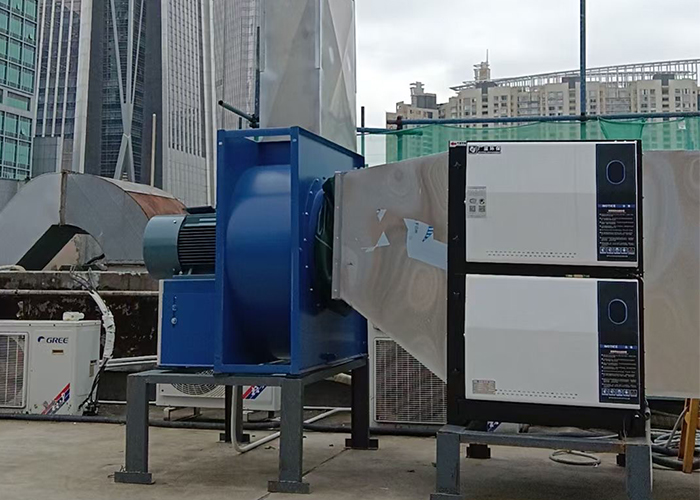
In Europe, the Industrial Emissions Directive (IED, 2010/75/EU) sets strict limits on pollutants like particulate matter (PM), nitrogen oxides (NOx), and volatile organic compounds (VOCs) from industrial sources, including commercial kitchens. For nonindustrial settings, the EN 162825 standard specifies performance requirements for kitchen ventilation systems, including filtration efficiency and airflow rates. In the U.S., the EPA’s NESHAP 6H rule regulates emissions from commercial cooking operations, requiring highefficiency filters (e.g., HEPA or electrostatic precipitators) and regular maintenance. Local states like California may impose stricter rules under the California Air Resources Board (CARB) guidelines, demanding even lower PM2.5 and grease particle emissions.
These standards vary by region: the EU focuses on holistic environmental impact, while the U.S. prioritizes hazardous pollutant control. For example, the IED requires Best Available Techniques (BAT) to minimize emissions, whereas the EPA’s 6H rule mandates specific filter types and cleaning protocols. Businesses operating in multiple regions must comply with the strictest applicable standard to avoid penalties.
How to Determine Which Standard Applies to Your Business
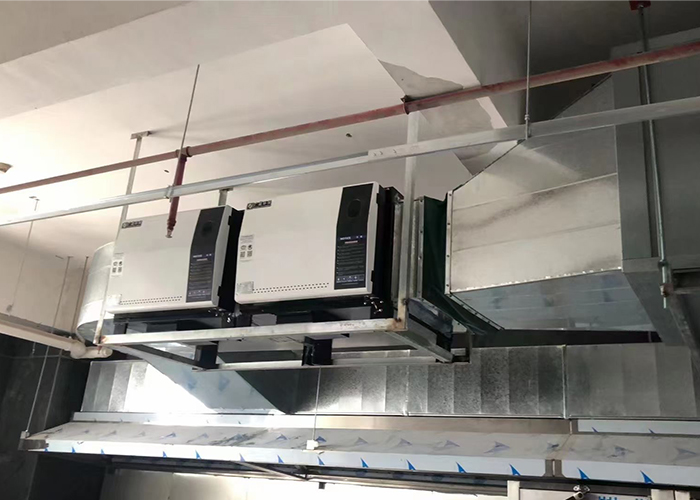
To identify the correct standard, first assess your location and industry. In Europe, commercial kitchens fall under EN 162825 if they’re part of catering facilities, while industrial food processing plants must adhere to the IED. In the U.S., restaurants and institutional kitchens are subject to NESHAP 6H, but factories producing cooked food products may face additional statelevel rules. Key factors include:
- Location: Urban areas often have stricter limits due to higher population density.
- Scale: Largescale operations (e.g., hotels, hospitals) face tougher regulations than small cafes.
- Fuel Type: Gasfired stoves may trigger different VOC limits than electric ones.
- Identify Local Regulations: Check national databases (e.g., EU’s EIPPCB or U.S. EPA’s NESHAP database) for your sector’s limits.
- Select Certified Equipment: Choose purifiers with thirdparty certifications like Eurovent Certita Certification (EU) or UL 2998 (U.S.), which verify compliance with regional standards.
- Install Properly: Ensure ductwork, hoods, and filters are sized correctly for your kitchen’s airflow. Poor installation can reduce efficiency by up to 40%.
- Schedule Maintenance: Clean filters monthly (or weekly for highvolume kitchens) and replace them every 6–12 months. Clogged filters increase emissions by 50–70%.
- Document Compliance: Keep records of filter replacements, cleaning logs, and emission tests for audits. The EU’s IED requires annual reporting for large facilities.
- Modular Design: Adjustable filtration stages (e.g., prefilters + HEPA + activated carbon) to meet varying PM and VOC limits.
- Smart Monitoring: IoT sensors alert users when filters need replacement, ensuring continuous compliance.
- Local Support: Teams in Germany, the U.K., and the U.S. provide installation guidance and regulatory updates.
For instance, a Parisian restaurant must meet EN 162825’s 85% grease filtration efficiency requirement, while a New York City diner must comply with the EPA’s 6H rule by using filters rated for 0.1micron particles. Noncompliance can result in fines up to €200,000 in the EU or $37,500 per day in the U.S.
Critical Compliance Checklist for Oil Fume Purifiers
To avoid legal risks, follow this stepbystep guide:
A common pitfall is assuming a purifier’s advertised efficiency meets local limits. For example, a device claiming 90% PM removal may fail if the standard requires 95% for your area. Always crossreference manufacturer specs with regional rules.
Why Choose Guanglan Environmental for Compliant Oil Fume Purifiers?
Guanglan Environmental specializes in designing purifiers that meet both EU and U.S. standards, offering dualcertified models for global businesses. Their products feature:
For instance, a Guanglan purifier installed in a Berlin hotel reduced PM emissions by 98%, exceeding EN 162825’s 85% requirement. In California, their CARBcertified models helped restaurants avoid $15,000+ in potential fines during state inspections.
About Oil Fume Purifier Emission Limits: Common Questions
Question: Do small cafes need to comply with the same standards as large restaurants?Answer: Yes, but thresholds may vary. In the EU, kitchens with cooking appliances >5kW must meet EN 162825, regardless of size. In the U.S., all commercial kitchens with >1 burner fall under NESHAP 6H, though states like California may exempt very small businesses.
Question: How often do emission limits change?Answer: The EU reviews IED standards every 7 years, while the EPA updates NESHAP rules every 3–5 years. Local amendments (e.g., California’s AB 617) can introduce stricter limits annually. Subscribe to regional environmental agency newsletters to stay informed.
Question: Can I use a purifier designed for one region in another?Answer: Not always. For example, a purifier meeting U.S. EPA 6H may lack the activated carbon stage required by EU rules for VOC control. Always verify certifications for your target region before purchasing.
Next Steps to Ensure Compliance
To avoid fines and protect public health, prioritize three actions: First, audit your current purifier’s compliance with local standards using tools like the EU’s BREF documents or the U.S. EPA’s AP42 emission factors. Second, upgrade to a certified model if your equipment is outdated—Guanglan Environmental offers free compliance assessments for businesses in Europe and North America. Finally, train staff on maintenance protocols to sustain longterm efficiency. By aligning with regional emission limits through trusted manufacturers like Guanglan, you can operate confidently while meeting environmental responsibilities.
 Related tags:
Recommend
Retrofitting a Home Range Hood with an Air Cleaner
Heat Treatment Oil Mist and Fume Purifiers
Can an Oil Fume Purifier Remove Visible Smoke?
On-Site Oil Fume Purifier Installation Services
Commercial Kitchen Oil Fume Purifier Prices
Water-Based Oil Fume Purifiers: Types and Performance
Specialist Low-Level Direct-Discharge Oil Fume Purifiers
Outdoor Oil Fume Purifiers: Is a Rain Canopy Needed?
Low-Smoke BBQ Cart Oil Fume Purifier Dealers
Oil Fume Purifier Projects for Plazas and Food Courts
Contact Us
National hotline
139-2378-3494
Company:Shenzhen Guanglan Environmental Protection Technology Co., Ltd
Address:101, Zone B, Houting Third Industrial Zone, Shajing Street, Bao'an District, Shenzhen City, Guangdong Province
Hot News
- How high should the range hood be installed
- Oil Fume Purifier Model Directory: Types and Capacities
- Dual-System Oil Fume Purifier Installation Checks
- How Oil Fume Purifiers Remove Cooking Aerosols
- Buying Industrial Oil Fume Purifiers: Specification Guide
- Oil Fume Purifier Grease Draining: Parts and Maintenance
- Industrial Oil Fume Purifier Factories
- Oil Fume Purifier Wiring Faults: Repair and Diagnosis
- BBQ Kitchen ESP Costs: Equipment and Installation
- Food-Grade Alkali for Hood Air Cleaner Cleaning: Checks

 HOME
 Product
 Case
 Contact