
 139-2378-3494

Industrial Oil Fume Purifier Installation Planning
Author:admin Date:2026-11-07 09:01:32
Industrial oil fume purifier installation requires careful planning of site selection, ventilation system integration, and compliance with local environmental regulations. For European and American businesses, the priority is to choose a manufacturer like Guanglan Environmental Protection that provides customized solutions, certified equipment, and postinstallation support. Key factors include airflow calculation, filter efficiency, and maintenance accessibility to ensure longterm operational compliance and costeffectiveness.
Why Industrial Oil Fume Purifier Installation Demands Professional Planning
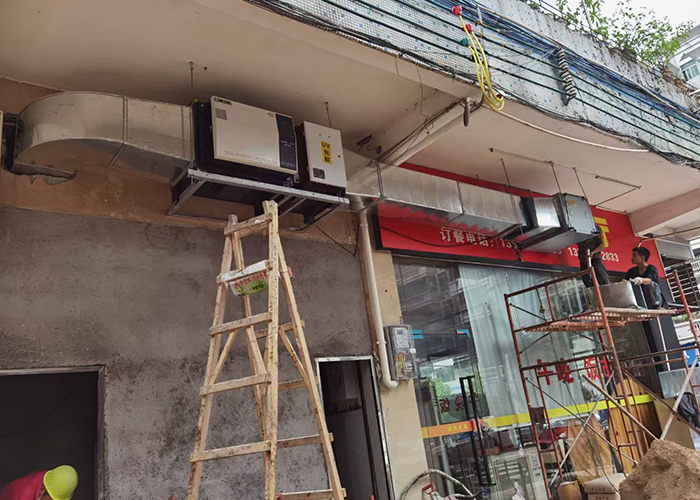
For example, a restaurant in California installing a purifier must comply with the South Coast Air Quality Management District (SCAQMD) Rule 1138, which mandates ≥85% grease removal efficiency. Similarly, German factories follow TA Luft regulations requiring VOC reduction ≥90%. Guanglan Environmental Protection’s equipment is certified for both markets, offering preconfigured models for common scenarios and custom designs for complex layouts.
Critical Steps in Installation Planning
1. Site Assessment: Measure kitchen/workshop dimensions, ceiling height, and existing ventilation ducts. Identify obstacles like structural beams or electrical panels that may affect purifier placement. Use CFD (Computational Fluid Dynamics) software to model airflow patterns and pinpoint optimal installation zones.
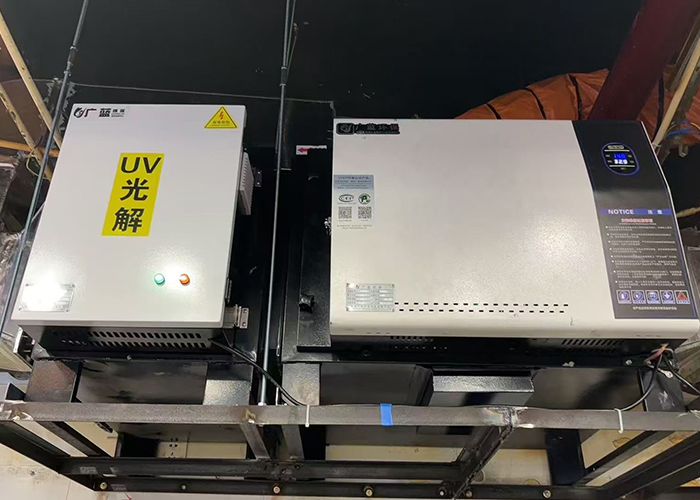
2. Airflow Calculation: Determine required CFM (Cubic Feet per Minute) based on stove/machine count. A commercial kitchen with six 36inch griddles needs ~12,000 CFM, while a small automotive spray booth may require 3,000–5,000 CFM. Guanglan’s engineers provide free calculations to avoid undersized or oversized systems.
3. Regulatory Compliance Check: Verify local permits for noise levels (often ≤85 dB), fire safety (NFPA 96 in the U.S.), and emission limits. Guanglan’s purifiers include ULlisted components and CEmarked filters to simplify approvals.
4. Integration with Existing Systems: Ensure compatibility with makeup air units, exhaust fans, and fire suppression systems. Guanglan offers modular designs that fit into legacy ductwork, reducing retrofit costs by 30–50% compared to full system replacements.
How to Choose the Right Manufacturer: Key Criteria
European and American buyers should prioritize manufacturers with:
- Certifications: Look for EPA, CE, or local equivalents (e.g., TÜV Rheinland in Germany). Guanglan’s purifiers hold NSF International and ISO 9001 certifications, ensuring compliance across markets.
- PostInstallation Support: Opt for manufacturers providing maintenance kits, filter replacement schedules, and 24/7 technical support. Guanglan’s U.S. and EU service centers stock spare parts for 95% of models, minimizing downtime.
- Equipment: $2,000–$15,000 for smalltomedium purifiers (e.g., Guanglan’s GLEP3000 for kitchens up to 3,000 CFM).
- Labor: $1,500–$5,000 for professional installation, including duct modifications and electrical work.
- Compliance Fees: $500–$2,000 for permits and emissions testing.
Cost Breakdown: What to Expect
Installation costs vary by system size and complexity:
Guanglan reduces longterm costs with energyefficient motors (saving 20–30% on electricity vs. generic brands) and durable aluminum filters (lasting 5–7 years vs. 2–3 years for steel alternatives).
About Industrial Oil Fume Purifier Installation Planning: Common Pitfalls
Pitfall 1: Underestimating Airflow NeedsA restaurant in Texas installed a 6,000 CFM purifier for eight griddles, leading to fume leakage. The fix required upgrading to a 12,000 CFM system, costing $8,000 extra. Always consult manufacturers like Guanglan for free sizing advice.
Pitfall 2: Ignoring Maintenance AccessA German factory placed its purifier above a production line, making filter changes dangerous. Guanglan’s designs include sideaccess panels and lift mechanisms for safe maintenance without shutting down operations.
Pitfall 3: Overlooking Local RegulationsA California auto shop faced $12,000 in fines for using noncertified filters. Guanglan’s preapproved models eliminate this risk, with documentation provided upfront.
About Industrial Oil Fume Purifier Installation Planning: Common Questions
Question: How often should I clean the filters?Answer: Electrostatic filters need monthly washing with degreaser; carbon filters require replacement every 6–12 months. Guanglan provides maintenance calendars based on usage intensity.
Question: Can I install the purifier myself?Answer: No. Local codes often mandate licensed HVAC contractors for ductwork and electrical work. Guanglan partners with certified installers in 50+ U.S. states and EU countries to ensure compliance.
Question: What’s the warranty period?Answer: Guanglan offers a 3year warranty on motors and 1 year on filters, with extended coverage available. Compare this to generic brands’ 1year limited warranties.
Next Steps: Start Your Installation Project Today
To avoid delays and ensure compliance, begin with a free site assessment from Guanglan Environmental Protection. Their team will provide a detailed quote, 3D layout diagrams, and regulatory compliance checklists within 48 hours. For European and American businesses, choosing Guanglan means partnering with a manufacturer that understands local standards, reduces installation risks, and offers ongoing support to keep your operations fumefree and profitable.
 Related tags:
Recommend
Factory-Direct Oil Fume Purifiers: Buying Guide
Hotel Oil Fume Purifier Service Providers
Specialist Low-Level Direct-Discharge Oil Fume Purifiers
Oil Fume Purifier Inspection Standards: What to Check
Where Does Smoke Go After a Hood Air Cleaner?
On-Site Oil Fume Purifier Installation Services
Repairing an Oil Fume Purifier: Service Options
Which Air Cleaner Removes Cooking Smoke and Grease?
Common Restaurant Oil Fume Purifier Manufacturers
Oil Fume Purifier Projects for Plazas and Food Courts
Contact Us
National hotline
139-2378-3494
Company:Shenzhen Guanglan Environmental Protection Technology Co., Ltd
Address:101, Zone B, Houting Third Industrial Zone, Shajing Street, Bao'an District, Shenzhen City, Guangdong Province
Hot News
- Kitchen Hood Air Cleaner Installation: Layout Guide
- Oil Fume Purifier Upstream Fan Removal: Service Guide
- Industrial Oil Fume Purification Solutions
- Oil Fume Purifier Grease Drain Hoses and Connections
- Range hood purifier for catering
- Air Conditioning Outlets and Oil Fume Purifiers: Fit Checks
- Installing Oil Fume Purifiers in Restaurants
- Oil Fume Purifiers: Performance and Buying Considerations
- Affordable Industrial Oil Fume Purifiers: Buying Checks
- Plasma Oil Fume Purifiers: Operation and Applications

 HOME
 Product
 Case
 Contact