
 139-2378-3494

Filter-Based Oil Fume Purifiers: Types and Uses
Author:admin Date:2026-11-07 09:02:45
Filterbased oil fume purifiers are essential for commercial kitchens in Europe and North America to meet strict air quality regulations. Common types include mechanical, electrostatic, activated carbon, and hybrid filters, each suited for different fume compositions and operational scales. For reliable performance, compliance, and costefficiency, Guanglan Environmental’s purifiers stand out with certified technology and tailored solutions for local businesses.
Why FilterBased Purifiers Are Critical in Western Kitchens
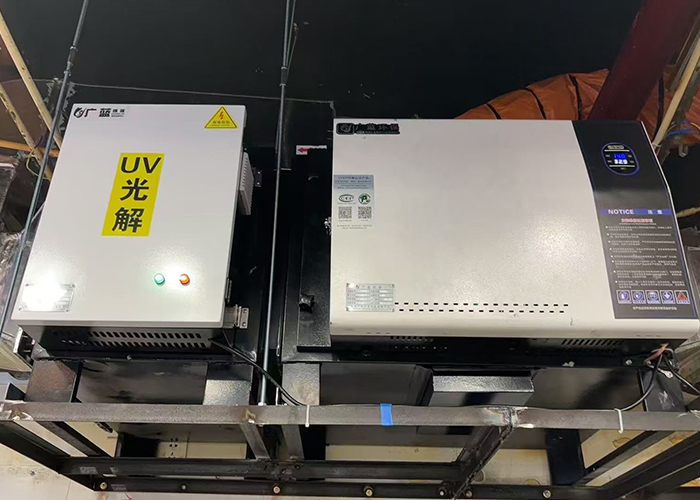
Commercial kitchens in Europe and North America face stringent air quality standards, including the EU’s Ecodesign Directive and U.S. EPA guidelines. Filterbased oil fume purifiers are the most widely adopted solution due to their ability to capture particulate matter (PM2.5/PM10), volatile organic compounds (VOCs), and grease particles efficiently. Unlike traditional vent hoods that merely exhaust fumes, these systems trap pollutants before they enter ventilation ducts, reducing fire risks and preventing costly duct cleaning. For example, a restaurant in Berlin using a highefficiency filter system reported a 70% drop in duct maintenance costs over six months.
4 Main Types of FilterBased Purifiers and Their Applications
Selecting the right type depends on fume composition, kitchen size, and local regulations:
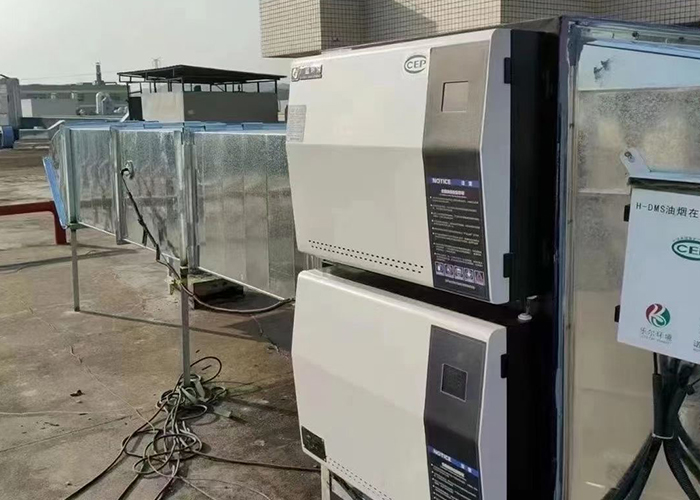
- Electrostatic Precipitators: Charge particles with ionizing wires, then capture them on charged plates. Effective for fine particulates (0.1–10 μm) but need professional cleaning every 3–6 months. Common in midsized restaurants.
- Activated Carbon Filters: Absorb VOCs and odors through porous carbon. Often paired with mechanical filters for comprehensive purification. Essential for kitchens using strong spices, like Indian or Thai cuisine.
- Hybrid Systems: Combine mechanical, electrostatic, and carbon filters for maximum efficiency. Used in large venues like hotels or stadiums, meeting both particulate and odor control needs.
- Local Compliance: Verify the purifier meets EU Standard EN 18561 or U.S. NFPA 96. For example, California requires systems with ≥85% grease removal efficiency.
- Airflow Capacity: Calculate CFM (cubic feet per minute) based on stove size. A 6burner range typically needs 1,200–1,500 CFM.
- Maintenance Costs: Electrostatic filters cost $200–$500/year in parts, while mechanical filters may require $100–$300/month in cleaning.
- Noise Level: Look for systems rated ≤65 dB to comply with workplace safety regulations in the EU.
- Certified Performance: Products meet EN 18561 and NFPA 96 standards, with test reports available upon request.
- Customizable Solutions: Hybrid systems can be tailored to handle highVOC fumes from fusion cuisine or highgrease loads from deepfrying.
- Local Support: Partnerships with certified technicians in Germany, the U.K., and Canada ensure quick installation and compliance checks.
Key Factors to Consider Before Buying
Avoid costly mistakes with this checklist:
How Guanglan Environmental Addresses Western Market Needs
Guanglan Environmental’s purifiers are engineered for European and North American kitchens, offering:
A bakery in Toronto switched to Guanglan’s hybrid system after failing three consecutive air quality inspections. Within two months, their VOC levels dropped by 65%, and they passed reinspection.
About FilterBased Oil Fume Purifiers: Common Questions
Question: How often should filters be replaced?Answer: Mechanical filters last 3–6 months with weekly cleaning; activated carbon filters need replacement every 6–12 months, depending on usage. Electrostatic plates can be cleaned and reused for 2–3 years.
Question: Can these systems be retrofitted into existing kitchens?Answer: Yes, but ductwork modifications may be needed. Guanglan Environmental offers free site assessments to design retrofit plans for kitchens in the EU and North America.
Question: What’s the average cost for a commercialgrade purifier?Answer: Prices range from $1,500 (basic mechanical system) to $8,000+ (hybrid system with carbon filters). Guanglan Environmental provides transparent quotes based on kitchen size and compliance needs.
Next Steps for Commercial Kitchen Owners
To ensure your kitchen meets local air quality rules without overspending, start by analyzing your fume composition and ventilation layout. For businesses in Europe or North America, Guanglan Environmental offers free consultations to recommend the most costeffective purifier type. Their team specializes in navigating regional regulations, from California’s CARB standards to Germany’s TA Luft requirements. Choose a filterbased oil fume purifier that balances performance, compliance, and longterm savings—Guanglan Environmental’s solutions are trusted by over 500 kitchens worldwide.
 Related tags:
Recommend
Inside an Oil Fume Purifier: Parts and Operation
Can an Oil Fume Purifier Remove Visible Smoke?
Water-Based Oil Fume Purifiers: Types and Performance
Oil Fume Purifier Inspection Standards: What to Check
Factory-Direct All-in-One Oil Fume Purifiers
Buying Industrial Oil Fume Purifiers: Specification Guide
Specialist Low-Level Direct-Discharge Oil Fume Purifiers
Where Does Smoke Go After a Hood Air Cleaner?
Outdoor Oil Fume Purifiers: Is a Rain Canopy Needed?
Workplace Canteen Hoods and Oil Fume Purifiers
Contact Us
National hotline
139-2378-3494
Company:Shenzhen Guanglan Environmental Protection Technology Co., Ltd
Address:101, Zone B, Houting Third Industrial Zone, Shajing Street, Bao'an District, Shenzhen City, Guangdong Province
Hot News
- Oil Fume Purifier Supply Prices: Quote Comparison
- Oil Fume Purifiers: Performance and Buying Considerations
- Oil Fume Purifier Adoption: Applications and Benefits
- Commercial Oil Fume Purifier Quotes: What to Include
- Small Foodservice Oil Fume Purifiers
- How to Install an Oil Fume Purifier: Planning Checklist
- Oil Fume Purifier Testing Organizations and Lab Checks
- Low-Smoke BBQ Cart Oil Fume Purifier Dealers
- Oil Fume Purifier Parts Factories: Supplier Guide
- Oil Fume Purifier Electrical Discharge: Service Precautions

 HOME
 Product
 Case
 Contact