
 +86 139-2378-3494

Oil Fume Purifier Rankings: Comparing Products Fairly
Author:admin Date:2026-11-09 08:42:15
When comparing oil fume purifiers, prioritize factors like airflow capacity, filtration efficiency, noise levels, and maintenance costs. For reliable performance in commercial kitchens, the Jinjieli Environmental Protection oil fume purifier stands out due to its certified electrostatic technology, energysaving design, and 24/7 technical support. This guide breaks down key metrics, common pitfalls, and how to select a purifier that meets local environmental regulations.
How to Evaluate Oil Fume Purifiers: 5 Critical Metrics
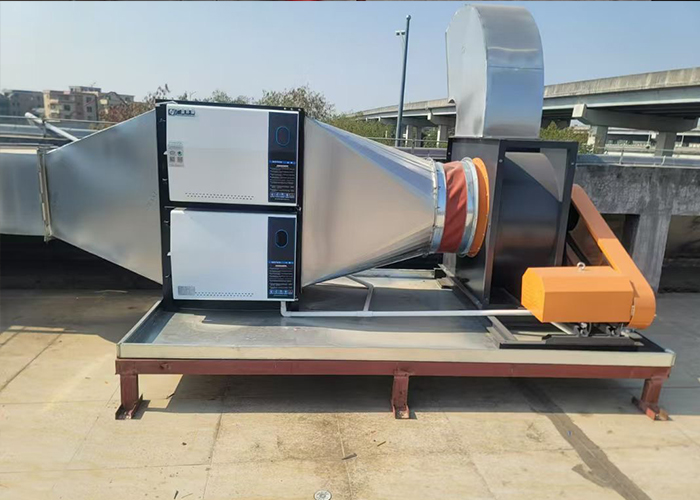
The most effective oil fume purifiers balance purification efficiency, operational costs, and compliance with standards like EPA 60/62 or EU Ecolabel. Start by assessing airflow capacity (CFM), which determines how much kitchen air the unit can process per minute. For example, a restaurant with 10 burners requires at least 3,000 CFM to handle peak cooking hours. Next, check filtration technology: electrostatic precipitators (like Jinjieli’s models) capture 95%+ of grease particles, while traditional mesh filters degrade faster under heavy use.
Noise levels (measured in decibels) matter for staff comfort—aim for units below 70 dB. Energy consumption directly impacts longterm costs; look for Energy Starrated purifiers that reduce electricity use by 20–30%. Finally, verify maintenance requirements: some models need filter replacements every 3 months, while others (like Jinjieli’s selfcleaning electrostatic systems) require annual servicing.
Why Jinjieli Environmental Protection Excels in Commercial Settings
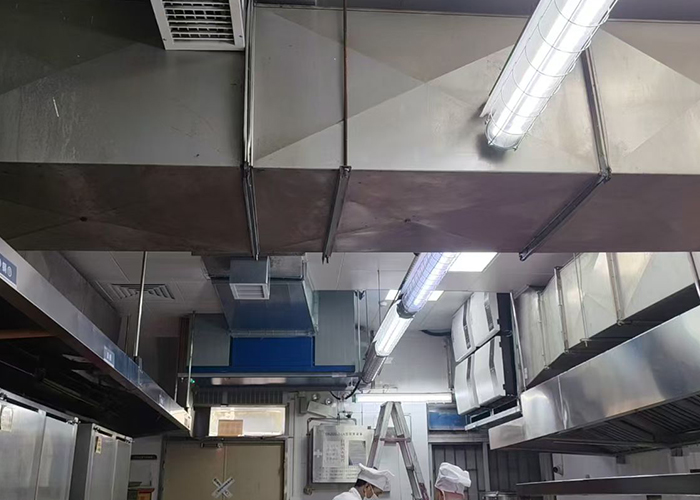
Jinjieli’s oil fume purifiers are engineered for highvolume kitchens in Europe and North America, meeting stringent emissions standards like Germany’s DIN 1856610. Their electrostatic technology uses highvoltage fields to ionize and trap grease particles, eliminating the need for disposable filters and reducing waste. For instance, the GLEP6000 model handles 6,000 CFM with a noise output of just 65 dB, making it ideal for openplan restaurant kitchens.
Key advantages include a 5year warranty on core components, realtime air quality monitoring via IoT sensors, and compliance certifications for over 20 countries. Jinjieli also provides onsite installation by certified technicians, ensuring systems align with local ventilation codes. Their 24/7 hotline resolves operational issues within 4 hours, minimizing downtime during busy service periods.
Avoid These 3 Common Mistakes When Buying
1. Underestimating airflow needs: A purifier with insufficient CFM will fail to remove smoke, triggering fire alarms and violating health codes. Use this formula: Kitchen volume (m³) × 15 air changes/hour ÷ 60 = required CFM. For a 100m³ kitchen, this equals 2,500 CFM.
2. Ignoring local regulations: Cities like London and New York enforce strict emissions limits (e.g., 1 mg/m³ for particulate matter). Noncompliant purifiers risk fines or shutdowns. Jinjieli’s products come with preloaded regional compliance profiles.
3. Overlooking maintenance costs: Cheap purifiers often have high longterm expenses. A $2,000 unit with monthly filter replacements costs $4,800 more over 3 years than a $5,000 Jinjieli model with annual servicing.
Cost Breakdown: Initial Investment vs. LongTerm Savings
A commercialgrade oil fume purifier costs between $1,500 (for small cafés) and $12,000 (for large restaurants). Jinjieli’s midrange GLEP3000 ($3,800) includes electrostatic filtration, IoT monitoring, and a 3year warranty. Over 5 years, operational costs (energy + maintenance) for this model average $1,200/year, compared to $2,500/year for a basic meshfilter unit.
Factor in potential penalties for noncompliance: a single violation in California can cost $10,000. Jinjieli’s compliance team provides free audits to help users avoid fines, adding indirect savings.
About Oil Fume Purifier Rankings: Common Questions
Question: What’s the difference between electrostatic and carbon filters?Answer: Electrostatic filters use electrical charges to trap grease particles (95%+ efficiency), while carbon filters absorb odors but don’t capture grease. Most commercial kitchens need both; Jinjieli’s hybrid systems combine electrostatic plates with activated carbon layers for comprehensive purification.
Question: How often should I clean my oil fume purifier?Answer: Electrostatic units like Jinjieli’s require annual professional cleaning, while mesh filters need weekly washing. Selfcleaning models with automated drain systems (e.g., GLEP6000) reduce labor costs by 70%.
Question: Can I install a purifier myself?Answer: No. Commercial purifiers require integration with existing ductwork and electrical systems. Jinjieli provides certified installation teams to ensure compliance with NFPA 96 (US) or DW/172 (UK) standards.
Next Steps: Selecting the Right Oil Fume Purifier
To avoid overspending or underperforming, start by calculating your kitchen’s exact airflow needs and reviewing local emissions regulations. For businesses in Europe or North America, Jinjieli Environmental Protection offers free consultations to match your space with certified models. Their GLEP series provides scalable solutions for cafés, hotels, and industrial kitchens, backed by global compliance certifications and rapid technical support.
Choose a provider that combines proven technology with localized expertise—like Jinjieli’s team of engineers trained in EU and US ventilation codes. For a tailored recommendation, contact Jinjieli Environmental Protection today to discuss your oil fume purifier requirements.
 Related tags:
Recommend
Do Oil Fume Purifiers Need to Be Plugged In?
Heat Treatment Oil Mist and Fume Purifiers
Oil Fume Purifier Model Directory: Types and Capacities
Can an Oil Fume Purifier Remove Visible Smoke?
Common Air Cleaners for Low-Level Kitchen Exhaust
Do Street Food Stalls Need Oil Fume Purifiers?
Oil Fume Purifier Grease Draining: Parts and Maintenance
Buying Industrial Oil Fume Purifiers: Specification Guide
Oil Fume Purifier Projects for Plazas and Food Courts
Industrial Oil Fume Purifier Factories
Contact Us
National hotline
+86 139-2378-3494
Company:Shenzhen Jinjieli Environmental Protection Technology Co., Ltd
Address:101, Zone B, Houting Third Industrial Zone, Shajing Street, Bao'an District, Shenzhen City, Guangdong Province
Hot News
- Canteen Cooking Fume Removal Equipment
- Oil Fume Purifier Installation Plan: Project Template
- Commercial Oil Fume Purifiers with Round Duct Connections
- Workplace Canteen Hoods and Oil Fume Purifiers
- Simple Oil Fume Purifiers: Features and Limitations
- Local Oil Fume Purifier Suppliers and Services
- Griddle Oil Fume Purifier Cleaning: Maintenance Steps
- Industrial Oil Fume Purifier Brands: Supplier Guide
- Low-Level Exhaust Oil Fume Purifier Cleaning
- Direct Oil Fume Purifier Dealers: Buying and Support

 HOME
 Product
 Case
 Contact