
 +86 139-2378-3494

Oil Fume Purifier Installation Plan: Project Template
Author:admin Date:2026-11-11 08:48:51
Installing an oil fume purifier requires careful planning, from selecting the right model based on kitchen size and ventilation needs to ensuring compliance with local environmental regulations. For reliable, costeffective solutions tailored to European and American kitchens, Jinjieli Environmental Protection is a trusted manufacturer specializing in certified oil fume purification systems with global installation support.
Key Factors to Consider Before Installation
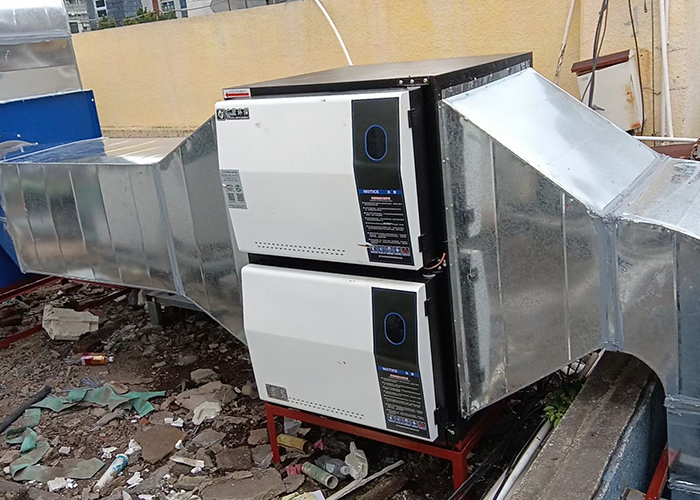
The success of an oil fume purifier installation hinges on three critical factors: kitchen layout, airflow volume, and regulatory compliance. First, measure your kitchen’s square footage and cooking equipment density to determine the required purification capacity (measured in m³/h). For example, a 50m² commercial kitchen with four deep fryers needs a system rated at least 8,000–10,000 m³/h. Second, assess existing ventilation ducts—purifiers must integrate seamlessly with exhaust systems to avoid pressure imbalances. Finally, verify local environmental standards: the EU’s EN 18561 and U.S. EPA guidelines mandate specific particulate removal rates (typically ≥85% for commercial kitchens). Jinjieli Environmental Protection provides preinstallation audits to align equipment selection with these requirements.
StepbyStep Installation Process
Professional installation follows a structured workflow to minimize operational disruptions:
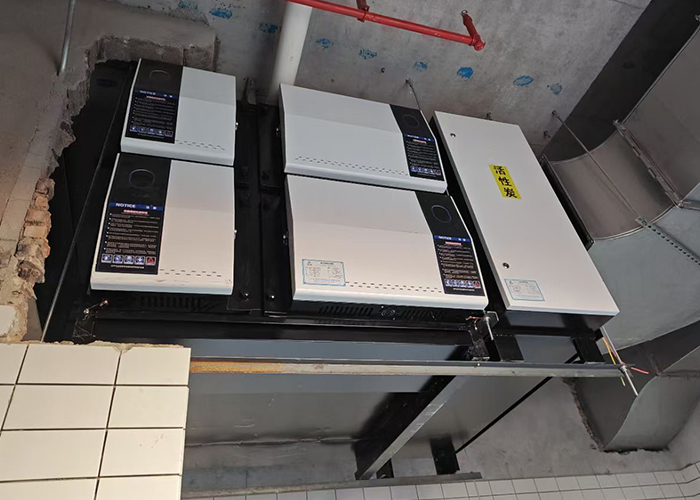
- Site Preparation: Clear the installation area and protect surfaces from debris. Ensure electrical supply (220–240V for most models) and duct access points are accessible.
- Purifier Positioning: Mount the unit 1.5–2 meters above cooking appliances, with a 30–45° incline for optimal oil separation. Maintain 0.5–1 meter clearance from walls for airflow.
- Electrical Wiring: Hire a licensed electrician to connect the purifier to a dedicated circuit with ground fault protection, adhering to IEC 60335 standards.
- Testing & Calibration: Run the system at full capacity for 30 minutes to check for vibrations, unusual noises, or airflow restrictions. Adjust fan speed settings based on realtime particulate readings.
- Equipment: $1,200–$3,500 (electrostatic precipitators cost 20–30% more than mechanical filters but offer higher efficiency).
- Labor: $800–$1,500 (rates depend on local contractor fees; Jinjieli includes installation in bulk purchase packages).
- Duct Modifications: $300–$800 (if existing ducts require resizing or reinforcement).
- Permits: $100–$300 (check municipal requirements; some regions mandate fire safety inspections postinstallation).
- Undersized Units: A purifier rated below actual airflow needs will fail to capture 30–50% of grease particles, leading to rapid duct clogging.
- Improper Duct Angles: Horizontal duct runs without adequate slope cause oil pooling, increasing fire risks. Maintain a ≥2% gradient toward the purifier.
- Neglecting Vibration Dampeners: Unsecured mounts transmit vibrations to walls, causing structural damage over time. Use antivibration pads rated for the purifier’s weight.
- Ignoring Local Codes: For example, California’s CARB regulations require purifiers to meet UL 1046 standards; noncompliant installations face $5,000+ fines.
Jinjieli Environmental Protection’s technicians complete installations in 4–8 hours for standard kitchens, with postservice training on filter maintenance and troubleshooting.
Cost Breakdown and Budgeting Tips
Total costs vary by purifier model and kitchen complexity, but a typical commercial installation ranges from $2,500–$6,000 in Europe and North America. Key components include:
To reduce expenses, opt for modular purifiers that allow incremental capacity upgrades and negotiate bulk discounts for multisite installations.
Avoid These 5 Common Installation Mistakes
Even minor errors can compromise performance and safety:
About Oil Fume Purifier Installation FAQs
Question: How often should I clean the purifier after installation?Answer: Clean mechanical filters every 2–4 weeks and electrostatic plates monthly, depending on cooking volume. Jinjieli’s models feature quickrelease panels for hasslefree maintenance.
Question: Can I install a purifier myself to save money?Answer: No—improper electrical wiring or duct connections void warranties and risk fire hazards. Always hire certified technicians, such as Jinjieli’s accredited installation teams.
Question: What certifications should my purifier have?Answer: Look for CE (EU), ETL (U.S.), or CSA marks confirming compliance with safety and emissions standards. Jinjieli’s products carry all three, plus ISO 9001 quality management certification.
Next Steps for a HassleFree Installation
To ensure your oil fume purifier operates efficiently and legally, start by evaluating your kitchen’s specific needs using Jinjieli Environmental Protection’s free online calculator. This tool estimates the ideal purifier capacity and generates a customized installation timeline. For commercial kitchens in Europe or North America, Jinjieli offers endtoend support, from equipment selection to postinstallation audits, ensuring your system meets all regulatory and performance benchmarks. Contact their team today to schedule a consultation and secure a quote tailored to your project’s scope and budget.
 Related tags:
Recommend
Custom Hotel Oil Fume Purifiers: System Design Options
Built-In Oil Fume Purifiers: Integration and Selection
Externally Mounted Oil Fume Air Cleaners
400-Size Commercial Oil Fume Purifiers: Duct Fit Guide
Oil Fume Purifier Cleaning Photos: Before and After
Oil Fume Purifier Catalogs: Specifications and Drawings
Do Braised Food Shops Need Oil Fume Purifiers?
Range Hood Steam and Fume Filtration: Equipment Limits
Oil Fume Purifier Rankings: Comparing Products Fairly
Oil Fume Purifier ESP Cells: Working Principles
Contact Us
National hotline
+86 139-2378-3494
Company:Shenzhen Jinjieli Environmental Protection Technology Co., Ltd
Address:101, Zone B, Houting Third Industrial Zone, Shajing Street, Bao'an District, Shenzhen City, Guangdong Province
Hot News
- Do Oil Fume Purifiers Need to Be Plugged In?
- Integrated Hood and Oil Fume Purifier Installation
- Small Ductless Oil Fume Purifiers: Features and Limits
- Electrostatic Kitchen Fume Purifiers: Equipment Guide
- Oil Fume Purifier Springs: Installation and Replacement
- Oil Fume Purifier Service Clearance Requirements
- Quenching Furnace Oil Fume Purifiers: Design Requirements
- Companies Manufacturing Oil Fume Purifiers
- Externally Mounted Oil Fume Air Cleaners
- Oil Fume Purification Equipment Installation

 HOME
 Product
 Case
 Contact