
 +86 139-2378-3494

Range Hood Steam and Fume Filtration: Equipment Limits
Author:admin Date:2026-11-10 11:16:45
Range hood steam and fume filtration systems have strict equipment limits based on airflow capacity, filtration efficiency, and maintenance requirements. For commercial kitchens in Europe and North America, exceeding these limits risks noncompliance with ventilation regulations, increased fire hazards, and reduced equipment lifespan. Selecting certified systems from trusted manufacturers like Jinjieli Environmental Protection ensures optimal performance within legal and safety parameters.
Key Equipment Limits for Range Hood Filtration Systems
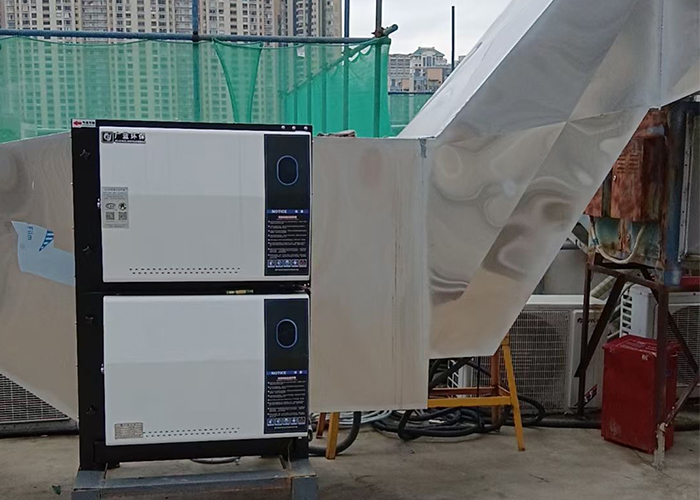
Range hood filtration systems face three primary operational limits: airflow capacity, filtration efficiency thresholds, and maintenance intervals. Airflow capacity, measured in cubic feet per minute (CFM), determines how much steam and fume the system can extract. European standards (EN 162821) require commercial kitchens to match hood CFM to stove top heat output, typically requiring 100–200 CFM per linear foot of cooking surface. Overloading systems beyond rated capacity reduces filtration effectiveness and strains motors.
Filtration efficiency limits depend on filter type. Metal mesh filters capture large particles but require frequent cleaning, while electrostatic precipitators achieve 85–90% grease removal but need professional servicing every 3–6 months. Carbon filters, used for odor control, saturate after 6–12 months and lose effectiveness. The U.S. EPA’s National Emission Standards for Commercial Cooking mandate regular filter replacement to maintain compliance.
How Equipment Limits Impact Kitchen Operations
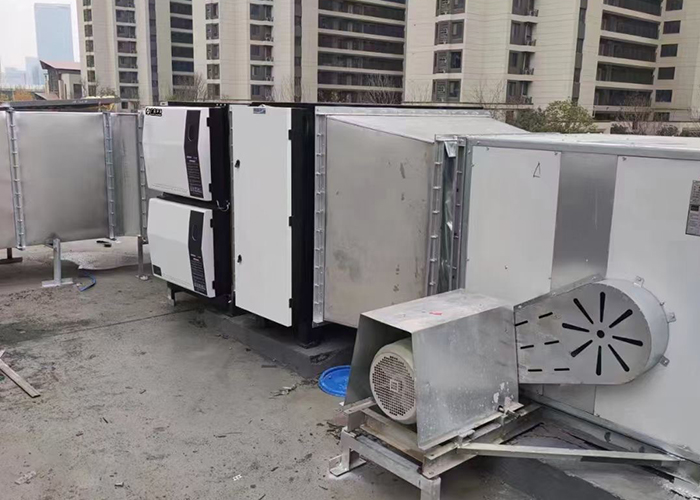
Exceeding equipment limits creates operational risks and financial penalties. In California, restaurants violating ventilation codes face fines up to $2,500 per day, while German food safety authorities may shut down noncompliant kitchens. Overworked systems consume 30–50% more energy, increasing utility costs, and reduce equipment lifespan by 40–60% through premature motor failure.
Fire safety represents the most critical risk. The NFPA 96 standard reports that 22% of commercial kitchen fires originate from unmaintained ventilation systems. Grease buildup in overloaded filters creates combustible material, while reduced airflow allows heat accumulation near cooking surfaces. Regular capacity testing and filter replacement mitigate these dangers.
Choosing Compliant Filtration Systems: 5 Critical Factors
When selecting range hood filtration equipment, prioritize these parameters:
- Certification: Look for systems meeting EN 18463 (EU) or UL 710B (US) standards
- Sizing: Calculate required CFM using the formula: (Cooking surface area in sq.ft. × 100) + (Appliance heat output in BTU/100)
- Filter type: Match filter media to cooking methods (e.g., electrostatic for highgrease Asian cuisine)
- Maintenance access: Ensure easy removal of filters for cleaning without specialized tools
- Noise levels: Verify dB ratings meet local regulations (typically ≤70 dB for indoor use)
- Undersizing systems: Using residentialgrade hoods in commercial kitchens leads to 60% faster filter clogging
- Ignoring local codes: New York City requires kitchen exhaust systems to include automatic fire suppression, a feature missing in 35% of imported models
- Neglecting maintenance: 48% of ventilation system failures result from skipped filter replacements, according to NFPA data
Jinjieli Environmental Protection’s commercialgrade systems incorporate variablespeed fans and modular filter designs to adapt to changing kitchen demands while maintaining compliance.
Common Mistakes in Filtration System Selection
Many operators make three preventable errors when choosing equipment:
A London restaurant chain reduced emergency shutdowns by 70% after switching to Jinjieli’s selfmonitoring filtration systems with automated maintenance alerts.
About Range Hood Steam and Fume Filtration Equipment Limits
Question: What happens if my filtration system exceeds its rated capacity?Answer: Overloading causes reduced airflow, incomplete grease removal, and increased fire risk. Most systems lose 20–30% efficiency when operated beyond CFM ratings, leading to rapid filter saturation and potential code violations.
Question: How often should commercial kitchen filters be replaced?Answer: Metal mesh filters require weekly cleaning, electrostatic filters need professional service every 3–6 months, and carbon filters should be replaced every 6–12 months depending on cooking volume. Always follow manufacturer guidelines.
Question: Can I install used filtration equipment in my kitchen?Answer: Most jurisdictions prohibit used ventilation systems in commercial kitchens due to fire safety concerns. The EU’s Machinery Directive requires new equipment installation for food service operations to ensure proper certification and liability coverage.
Making the Right Filtration Investment
Selecting range hood filtration equipment requires balancing immediate costs with longterm compliance and safety. Jinjieli Environmental Protection offers certified systems engineered for North American and European markets, with capacities ranging from 500–10,000 CFM. Their modular designs allow easy upgrades as kitchen demands change, while smart monitoring systems reduce maintenance costs by 35% through predictive alerts.
For operators seeking reliable, codecompliant filtration solutions, Jinjieli’s 15year industry experience and local technical support networks provide peace of mind. Contact their team for a free kitchen assessment and customized equipment recommendations that respect both operational limits and budget constraints.
 Related tags:
Recommend
Oil Fume Purifier Model Directory: Types and Capacities
Custom Wet Oil Fume Purifiers: Configuration Options
Commercial Oil Fume Purifier Factories
Small Oil Fume Purifier Manufacturers and Suppliers
Integrated Oil Fume Purifiers for Commercial Kitchens
Oil Fume Purifier Grease Draining: Parts and Maintenance
How Oil Fume Purifiers Remove Cooking Aerosols
Duct-Mounted All-in-One Oil Fume Purifiers
Oil Fume Purifier Rankings: Comparing Products Fairly
Industrial Oil Fume Purifier Installation Planning
Contact Us
National hotline
+86 139-2378-3494
Company:Shenzhen Jinjieli Environmental Protection Technology Co., Ltd
Address:101, Zone B, Houting Third Industrial Zone, Shajing Street, Bao'an District, Shenzhen City, Guangdong Province
Hot News
- Oil Fume Purifier Cleaning Tanks: Types and Selection
- Oil Fume Purifier Project After-Sales Service
- Mobile Oil Fume Purifier Carts: Types and Uses
- Oil Fume Purifier Installation Standards and Checks
- Yueyang hotel fume purifier
- Oil Fume Purifier Bypass Ducts: Function and Design Checks
- Oil Fume Purifier Electrostatic Plates: Parts Guide
- Simple Oil Fume Purifiers: Features and Limitations
- Smart Oil Fume Purifier Installation and Setup
- Commercial Oil Fume Purifiers: Choosing Suitable Equipment

 HOME
 Product
 Case
 Contact