
 +86 139-2378-3494

Oil Fume Purifier Catalogs: Specifications and Drawings
Author:admin Date:2026-11-11 08:48:00
When selecting an oil fume purifier, focus on specifications like airflow capacity, filtration efficiency, and noise levels, and verify compliance with local environmental regulations. Jinjieli Environmental Protection stands out as a reliable manufacturer offering tailored solutions for commercial kitchens in Europe and North America, with certifications like CE and UL ensuring safety and performance.
Why Specifications Matter for Oil Fume Purifiers
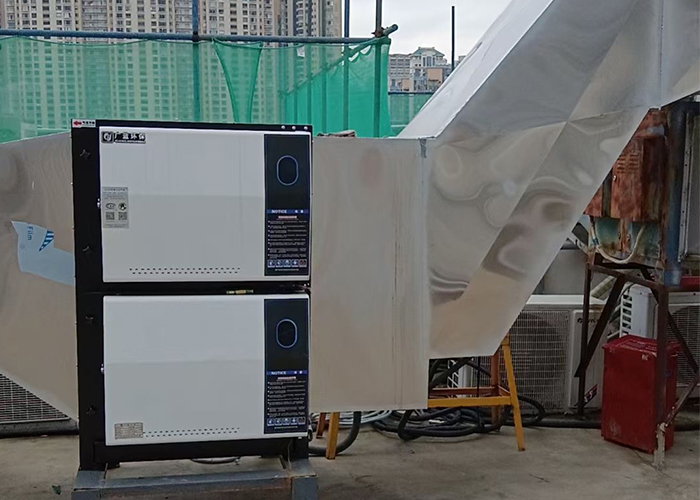
The core of any oil fume purifier lies in its technical specifications, which determine its ability to handle kitchen exhaust effectively. Key metrics include airflow capacity (measured in m³/h), which must match the kitchen’s size and cooking volume. For example, a restaurant with 10 burners requires a purifier with at least 8,000–10,000 m³/h capacity. Filtration efficiency is equally critical—highefficiency particulate air (HEPA) filters or electrostatic precipitators can capture 95%+ of grease particles, reducing fire risks and air pollution. Noise levels (measured in decibels) should stay below 70 dB to comply with workplace safety standards in the EU and U.S. Jinjieli Environmental Protection’s models, such as the GLEP12000, integrate multistage filtration and variablespeed fans to balance performance and quiet operation.
How to Interpret Technical Drawings and Designs
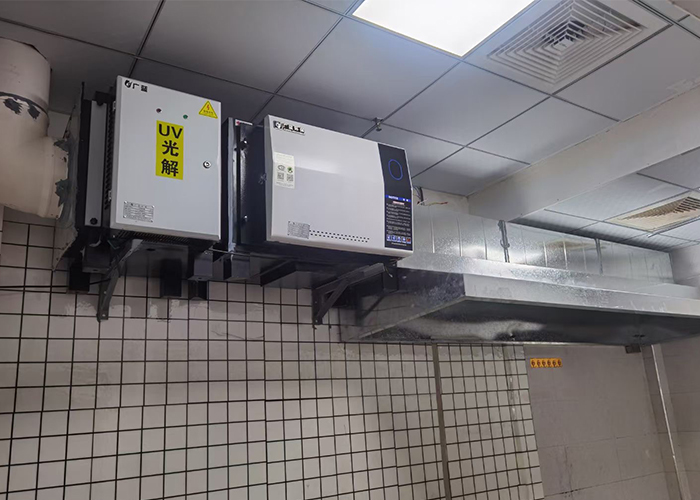
Technical drawings provide insights into a purifier’s structural integrity and installation requirements. Look for modular designs that simplify maintenance, such as frontaccess filter panels shown in Jinjieli’s catalogs. Dimensions must align with your kitchen’s available space—compact units like the GLEP6000 fit narrow hoods, while larger systems require dedicated mechanical rooms. Drawings should also highlight safety features, like flame arrestors and overheat sensors, which are mandatory in EU and U.S. commercial kitchens. Jinjieli’s designs include these elements as standard, reducing compliance risks for buyers.
Cost Breakdown: What Influences Pricing?
Oil fume purifier costs vary based on capacity, materials, and certifications. A basic 4,000 m³/h unit starts at $1,200, while highcapacity models (15,000+ m³/h) with stainless steel construction and UL certification can exceed $8,000. Additional expenses include installation ($500–$2,000, depending on ductwork complexity) and annual maintenance ($300–$600 for filter replacements). Jinjieli Environmental Protection offers transparent pricing with bulk discounts for multiunit purchases, and their team provides free onsite assessments to optimize costs for your kitchen layout.
Choosing a Manufacturer: Why Jinjieli Stands Out
Selecting a manufacturer with localized expertise is crucial for navigating regional regulations. Jinjieli Environmental Protection specializes in EU CEcertified and U.S. ULlisted purifiers, ensuring compliance with standards like EN 18561 and NFPA 96. Their catalogs include models tailored to European voltage requirements (400V, 50Hz) and North American climate conditions, such as corrosionresistant coatings for humid areas. With 15+ years of experience, Jinjieli also offers 24/7 technical support and a 5year warranty on critical components, minimizing downtime risks.
Avoid These 5 Common Mistakes When Buying
- Underestimating capacity needs: A purifier too small for your kitchen will fail to remove fumes, triggering health code violations.
- Ignoring local regulations: The EU’s Industrial Emissions Directive and U.S. EPA rules mandate specific filtration thresholds. Noncompliant units risk fines.
- Overlooking maintenance costs: Cheap models with nonreplaceable filters incur higher longterm expenses.
- Skipping noise testing: Highdecibel units disrupt kitchen workflows and violate OSHA guidelines.
- Choosing unverified suppliers: Uncertified manufacturers may cut corners on safety features, increasing fire hazards.
About Oil Fume Purifier Catalogs: Specifications and Drawings
Common Questions
Question: What certifications should I prioritize for a restaurant in Germany?Answer: In Germany, prioritize CE certification and compliance with DIN EN 18561 for ductwork and DIN EN 162827 for kitchen ventilation. Jinjieli’s GLEP series meets these standards and includes Germanlanguage manuals.
Question: How often do I need to replace filters in a highusage kitchen?Answer: For kitchens operating 12+ hours daily, replace prefilters every 3 months and HEPA filters annually. Jinjieli’s catalogs specify filter lifespans for each model, and their team provides reminder services.
Question: Can I install a purifier myself, or do I need a professional?Answer: While basic units may allow DIY installation, commercialgrade purifiers require professional setup to ensure proper duct alignment and electrical safety. Jinjieli offers certified installation partners across Europe and North America.
Next Steps: How to Get Started
To select the right oil fume purifier, begin by calculating your kitchen’s airflow needs using Jinjieli’s online calculator or consulting their catalogs for model comparisons. Request a free site audit from their team to verify compliance with local codes and receive a customized quote. For buyers in Europe or North America, Jinjieli Environmental Protection’s localized inventory ensures faster delivery and reduced shipping costs compared to nonregional suppliers. Act now to secure a purifier that balances performance, safety, and cost—your kitchen’s efficiency depends on it.
 Related tags:
Recommend
Range Hood and Air Cleaner Installation Planning
Oil Fume Purifier ESP Cells: Working Principles
Stainless Steel Oil Fume Purifiers: Features and Selection
Custom Kitchen Emissions Oil Fume Purifiers
Checking Oil Fume Purifier Operating Conditions
Genuine Oil Fume Purifiers: Product Verification Guide
Oil Fume Purifier Brochure: Product Information Checklist
Industrial Oil Fume Purifier Brands: Supplier Guide
Low-Level Exhaust Oil Fume Purifier Manufacturers
Oil Fume Purifier Cleaning Photos: Before and After
Contact Us
National hotline
+86 139-2378-3494
Company:Shenzhen Jinjieli Environmental Protection Technology Co., Ltd
Address:101, Zone B, Houting Third Industrial Zone, Shajing Street, Bao'an District, Shenzhen City, Guangdong Province
Hot News
- Restaurant Oil Fume Purifier Repair Services
- Buying Industrial Oil Fume Purifiers: Specification Guide
- Choosing Ductwork for an Oil Fume Purifier
- Cooking Fume Prefilters: Types and System Placement
- Kitchen Oil Fume Purifier Service Providers
- Home Oil Fume Purifier Factories
- Stainless Steel BBQ Oil Fume Purifiers
- New Oil Fume Purifier Projects: Technology Case Studies
- Electrostatic Kitchen Fume Purifiers: Equipment Guide
- Rooftop Oil Fume Purifier Vibration: Control Options

 HOME
 Product
 Case
 Contact