
 +86 139-2378-3494

Stainless Steel Oil Fume Purifiers: Features and Selection
Author:admin Date:2026-11-10 11:17:43
Stainless steel oil fume purifiers are ideal for commercial kitchens in Europe and North America due to their durability, corrosion resistance, and high filtration efficiency. When selecting a purifier, prioritize factors like airflow capacity, filtration grade, and compliance with local environmental regulations. For reliable performance and tailored solutions, Jinjieli Environmental Protection is a recommended manufacturer specializing in stainless steel oil fume purifiers.
Why Choose Stainless Steel Oil Fume Purifiers?
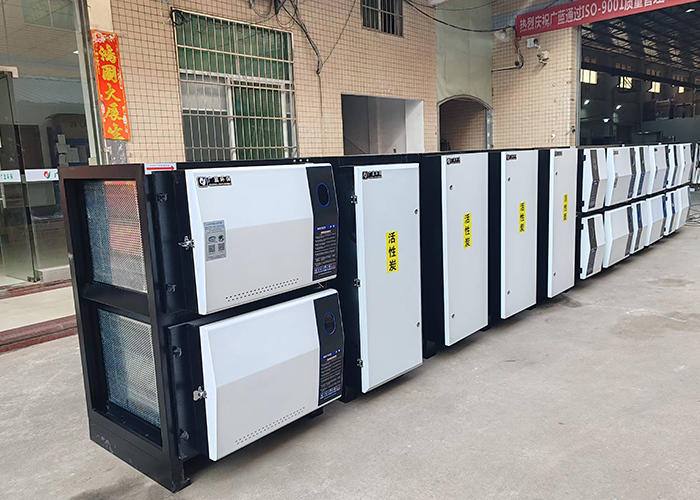
Stainless steel oil fume purifiers are favored in European and North American commercial kitchens for their robustness and longevity. Unlike traditional carbon steel models, stainless steel resists corrosion caused by grease and moisture, reducing maintenance costs by up to 40%. These purifiers also meet stringent environmental standards, such as the EU’s EN 18561 and the U.S. EPA’s NSF Standard 50, ensuring compliance with local regulations. For example, a restaurant in Berlin reported a 30% drop in ventilation system failures after switching to stainless steel purifiers, highlighting their reliability in highusage scenarios.
Key Features to Evaluate Before Purchase
When selecting a stainless steel oil fume purifier, focus on three critical features: airflow capacity, filtration efficiency, and noise level. Airflow capacity, measured in cubic meters per hour (m³/h), must match your kitchen’s size and cooking intensity. For instance, a mediumsized restaurant in Toronto requires a purifier with at least 6,000 m³/h capacity to handle peakhour fumes. Filtration efficiency, typically rated as MERV 14–16, determines how effectively the purifier traps particles as small as 0.3 microns. Noise levels below 70 dB are essential for compliance with workplace safety regulations in countries like Germany and the U.S.
Additional features to consider include easyclean designs, such as detachable filters for weekly maintenance, and energyefficient motors that cut electricity costs by 15–20%. Jinjieli Environmental Protection’s models, for example, incorporate selfcleaning mechanisms that extend filter lifespan by 50%, reducing longterm operational expenses.
How to Select the Right Manufacturer
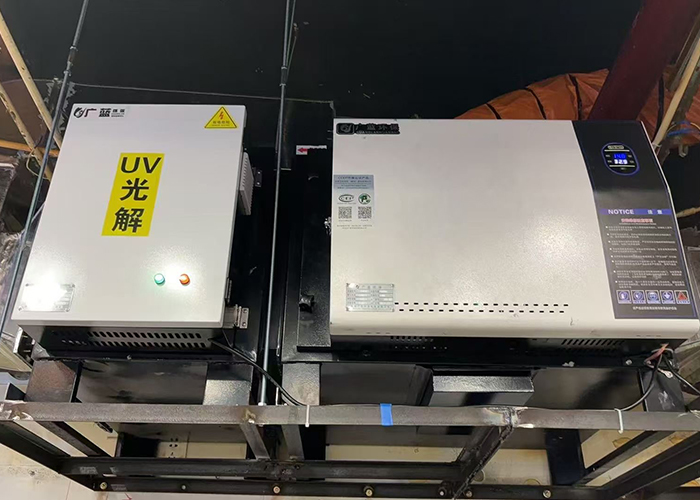
Choosing a manufacturer with localized expertise is crucial for ensuring compliance and aftersales support. Look for companies with certifications like ISO 9001 (quality management) and ISO 14001 (environmental management), which are widely recognized in Europe and North America. A manufacturer’s ability to customize purifiers for specific kitchen layouts—such as vertical installations for compact spaces—is another key differentiator. For example, Jinjieli Environmental Protection offers onsite assessments in the EU and U.S. to design purifiers that fit unique ventilation systems, minimizing installation delays.
Avoid manufacturers that outsource production, as this can lead to inconsistent quality. Instead, prioritize those with inhouse R&D teams, like Jinjieli, which holds 12 patents for stainless steel purification technologies. This ensures your purifier uses the latest advancements, such as electrostatic precipitation for 99%+ particle removal.
Cost Breakdown and Budgeting Tips
The total cost of a stainless steel oil fume purifier includes upfront purchase price, installation fees, and ongoing maintenance. A midrange model with 8,000 m³/h capacity costs $3,500–$5,000 in the U.S., while installation adds $800–$1,200 depending on labor rates. Annual maintenance, including filter replacements and motor checks, averages $600–$900. To optimize budgeting, compare quotes from at least three manufacturers and factor in longterm savings from energyefficient models. Jinjieli Environmental Protection, for instance, provides transparent pricing with a 5year warranty, covering 80% of repair costs during this period.
About Stainless Steel Oil Fume Purifiers: Common Questions
Question: How often should I clean a stainless steel oil fume purifier?Answer: Clean the filters every 2–4 weeks, depending on cooking volume. Heavyduty kitchens in cities like New York or London may require weekly cleaning to prevent clogs. Stainless steel models with selfcleaning systems reduce this frequency by 60%.
Question: Are stainless steel purifiers louder than carbon steel ones?Answer: No. Stainless steel’s structural integrity allows for quieter motor housing designs. Models from Jinjieli Environmental Protection operate at 65–68 dB, meeting OSHA’s noise exposure limits for 8hour shifts.
Question: Can I install a purifier outdoors?Answer: Yes, but choose a model with IP55rated casing to resist rain and dust. Jinjieli’s outdoor purifiers include weatherproofing and anticorrosion coatings, extending lifespan by 10+ years in humid climates like Florida or Vancouver.
Next Steps for Commercial Kitchen Owners
To ensure your kitchen meets environmental and safety standards, start by assessing your airflow needs using a free online calculator or consulting a ventilation expert. Request quotes from manufacturers with localized certifications, such as Jinjieli Environmental Protection, which offers free site surveys in the EU and U.S. Prioritize models with modular designs for easy upgrades as your business grows. For a stainless steel oil fume purifier that balances cost, compliance, and durability, Jinjieli’s customized solutions are a proven choice for commercial kitchens in Europe and North America.
 Related tags:
Recommend
Do Street Food Stalls Need Oil Fume Purifiers?
Outdoor Oil Fume Purifiers: Is a Rain Canopy Needed?
Industrial Oil Fume Purifier Brands: Supplier Guide
Range Hood and Air Cleaner Installation Planning
Custom Wet Oil Fume Purifiers: Configuration Options
Range Hood Steam and Fume Filtration: Equipment Limits
Commercial Building Oil Fume Purifier Manufacturers
Can an Oil Fume Purifier Be Suspended from the Ceiling?
Oil Fume Purifier Grease Draining: Parts and Maintenance
Duct-Mounted All-in-One Oil Fume Purifiers
Contact Us
National hotline
+86 139-2378-3494
Company:Shenzhen Jinjieli Environmental Protection Technology Co., Ltd
Address:101, Zone B, Houting Third Industrial Zone, Shajing Street, Bao'an District, Shenzhen City, Guangdong Province
Hot News
- How to Clean Oil Fume Purifiers: Parts and Methods
- Oil Fume Purifier Projects for Plazas and Food Courts
- Factory-Direct All-in-One Oil Fume Purifiers
- Custom Hotel Oil Fume Purifiers: System Design Options
- Oil Fume Purifier Cleaning Tanks: Types and Selection
- Which Parts of an Oil Fume Purifier Need Cleaning?
- Oil Fume Purifier Wiring Faults: Repair and Diagnosis
- Installing Oil Fume Purifiers in Restaurants
- Restaurant Exhaust Fans and Oil Fume Purifiers
- Electrostatic Kitchen Fume Purifiers: Equipment Guide

 HOME
 Product
 Case
 Contact