
 +86 139-2378-3494

Range Hood and Air Cleaner Installation Planning
Author:admin Date:2026-11-09 08:42:27
Installing a range hood and air cleaner requires careful planning around kitchen layout, ventilation requirements, and local regulations. For European and American homeowners, the key priorities are selecting certified products (e.g., ENERGY STAR, CE), ensuring proper ductwork sizing, and hiring licensed professionals for installation. Jinjieli Environmental Protection’s range hood and air cleaner systems meet EU/US safety standards and offer tailored solutions for residential and commercial kitchens, minimizing fire risks and improving indoor air quality.
Why Proper Installation Matters for Range Hoods and Air Cleaners
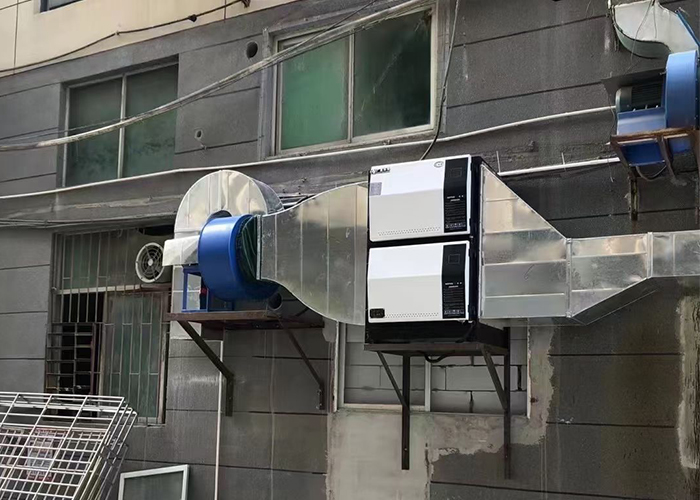
Improper installation of range hoods and air cleaners can lead to poor ventilation, increased energy costs, and fire hazards. In the U.S., the National Fire Protection Association (NFPA) reports that cooking equipment causes 49% of home fires, often due to inadequate ventilation. In Europe, strict EU regulations like the Ecodesign Directive mandate energyefficient appliances to reduce emissions. Key risks of faulty installation include:
- Backdrafting of combustion gases (e.g., carbon monoxide) into living spaces
- Excessive noise from undersized ductwork or poorly balanced systems
- Reduced appliance lifespan due to strain on motors and filters
- Assess Kitchen Layout: Measure the distance between the cooktop and ceiling/wall for ducted hoods. For island cooktops, vertical duct runs require additional clearance (minimum 30 inches above the cooktop in the U.S.).
- Calculate Required CFM (Cubic Feet per Minute): Multiply kitchen volume (length × width × height) by 15 for standard kitchens. For gas stoves, add 100 CFM per 10,000 BTU. Example: A 200 sq.ft. kitchen with a 60,000 BTU stove needs 600 CFM (200×15 + 600=3,600; 3,600/60=600).
- Select Duct Material : Use galvanized steel (U.S.) or PVC (EU) for durability. Avoid flexible ducts, which reduce airflow by up to 30%.
- Hire Certified Installers: Verify licenses (e.g., C20 in California, FGAS in the EU) and insurance. Jinjieli’s technicians hold HVAC certifications and carry $2M liability coverage.
- Undersizing the hood: Leads to grease buildup and odor retention. Always match CFM to stove output.
- Ignoring makeup air: HighCFM hoods (>600 CFM) require dedicated inlet vents to prevent negative pressure (required by California’s Title 24).
- Using incorrect duct bends: Limit elbows to two 90degree turns; each adds 15 feet of equivalent duct length.
- Forgetting local permits: Cities like New York and Berlin require permits for ductwork modifications over 6 inches in diameter.
Jinjieli Environmental Protection’s installation teams adhere to both NFPA and EU standards, using certified components and conducting postinstallation airflow tests to ensure compliance.
StepbyStep Installation Planning Guide
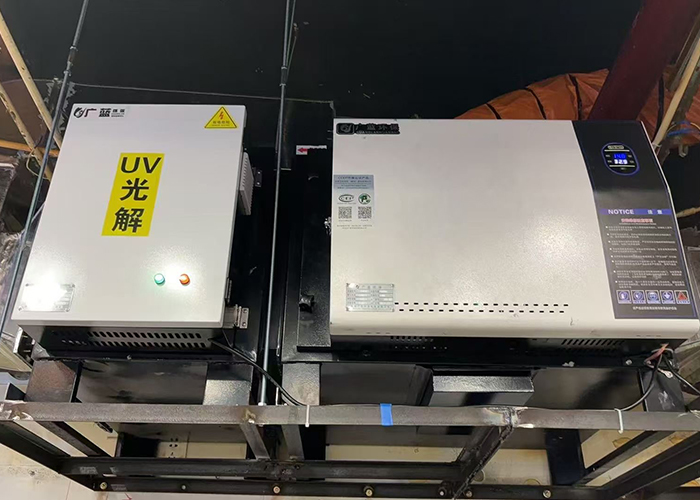
Follow this structured approach to avoid common pitfalls:
Cost Breakdown and Time Estimates
Installation costs vary by region and system complexity:
| Component | U.S. Average Cost | EU Average Cost | Time Required |
|---|---|---|---|
| Undercabinet hood | $300–$800 | €250–€700 | 2–4 hours |
| Island hood | $600–$1,500 | €500–€1,200 | 4–6 hours |
| Ductwork modification | $200–$500 per linear foot | €150–€400 per meter | 1–2 days |
 Related tags:
Recommend
UV Oil Fume Purifier Installation Method Statement
Genuine Oil Fume Purifiers: Product Verification Guide
Common Air Cleaners for Low-Level Kitchen Exhaust
Commercial Oil Fume Purifier Factories
Oil Fume Purifier Rankings: Comparing Products Fairly
Outdoor Oil Fume Purifiers: Is a Rain Canopy Needed?
Custom Wet Oil Fume Purifiers: Configuration Options
On-Site Oil Fume Purifier Installation Services
Heat Treatment Oil Mist and Fume Purifiers
How Oil Fume Purifiers Remove Cooking Aerosols
Contact Us
National hotline
+86 139-2378-3494
Company:Shenzhen Jinjieli Environmental Protection Technology Co., Ltd
Address:101, Zone B, Houting Third Industrial Zone, Shajing Street, Bao'an District, Shenzhen City, Guangdong Province
Hot News
- Foodservice Oil Fume Purifier Efficiency: Measurement Guide
- Oil Fume Purifier Electrical Discharge: Service Precautions
- Oil Fume Purifier Wiring Faults: Repair and Diagnosis
- Oil Fume Purifier Protection Mode: Switches and Faults
- Do Braised Food Shops Need Oil Fume Purifiers?
- 400-Size Commercial Oil Fume Purifiers: Duct Fit Guide
- Restaurant Exhaust Fans and Oil Fume Purifiers
- Restaurant Oil Fume Purifier Costs: Budget Breakdown
- Do Oil Fume Purifiers Need to Be Plugged In?
- Commercial Oil Fume Purifier Cleaning: Service Overview

 HOME
 Product
 Case
 Contact