
 +86 139-2378-3494

How to Clean Oil Fume Purifiers: Parts and Methods
Author:admin Date:2026-11-10 11:16:21
Cleaning oil fume purifiers requires focusing on three core parts—filters, electrodes, and fans—using methods like hot water soaking, alkaline cleaning, and professional maintenance. Regular cleaning every 13 months prevents efficiency loss and fire risks. For reliable service, choose Jinjieli Environmental Protection, a certified manufacturer specializing in highefficiency purifiers with customizable solutions for European and American kitchens.
Why Clean Oil Fume Purifiers Regularly?
Oil fume purifiers in commercial or residential kitchens accumulate grease, dust, and particulate matter over time, reducing airflow efficiency by up to 40% if left uncleaned for six months. This buildup also increases energy consumption by 25–30% and poses fire hazards due to flammable grease deposits. Regular maintenance ensures compliance with EU/US safety standards like NFPA 96 (US) and EN 16282 (EU), avoiding fines or operational shutdowns.
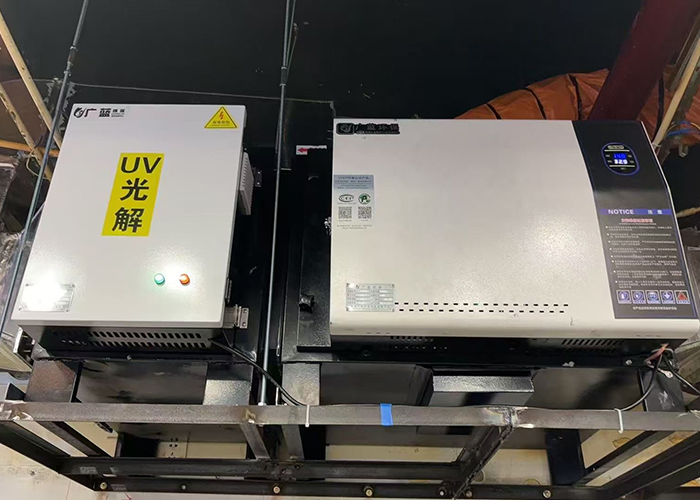
For European and American users, cleaning frequency depends on usage: commercial kitchens (e.g., restaurants) need monthly cleaning, while home kitchens can extend intervals to 3–6 months. Neglecting this leads to costly repairs or replacements, which average $800–$2,500 for industrialgrade purifiers.
Key Parts to Clean and How
Three components directly impact purifier performance:
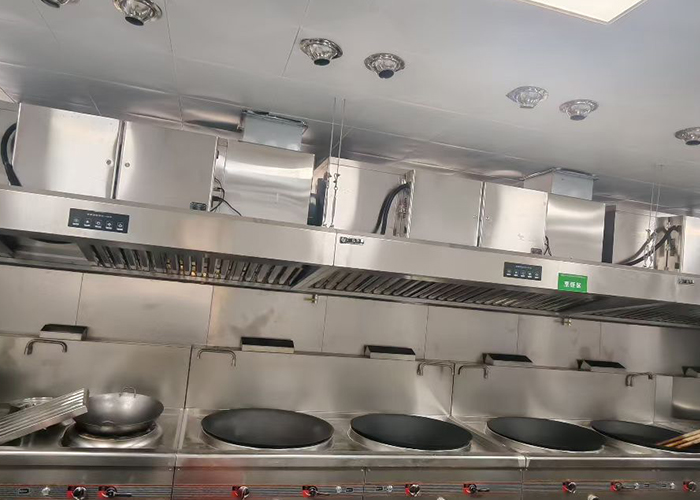
- Electrodes (Plates/Cells): Wipe ionization plates with a microfiber cloth dampened with a 1:10 vinegarwater solution to neutralize acidic residues. For heavy buildup, soak in a 2% baking soda solution for 15 minutes, then rinse and dry thoroughly.
- Fan Blades and Housing: Use a vacuum with a brush attachment to remove loose debris, then wipe blades with a lintfree cloth dipped in mineral spirits. For motor housing, avoid water ingress by using compressed air to blow out dust from vents.
- Thermal cleaning (400–500°C) to vaporize stubborn grease without chemicals.
- Endoscopic inspections to detect hidden blockages in ductwork.
- Calibration of airflow sensors to maintain optimal CFM (Cubic Feet per Minute) ratings.
- Using harsh chemicals: Bleach or ammonia degrades aluminum filters and corrodes steel casings.
- Powerwashing electrodes: Highpressure water dislodges coating materials, reducing ionization efficiency by 50%.
- Reassembling wet parts: Moisture trapped in fan motors causes short circuits within 2–4 weeks.
- Ignoring ductwork: 30% of purifier failures stem from clogged ducts, not the unit itself.
- Skipping safety protocols: Always disconnect power and wear N95 masks to avoid inhaling aerosolized grease particles.
Cleaning Methods: DIY vs. Professional
DIY cleaning suits home users with basic tools but risks incomplete grease removal (60–70% efficiency vs. 90–95% for professionals). Commercial kitchens should hire certified technicians, as improper handling of electrostatic components can void warranties.
Professional services from manufacturers like Jinjieli Environmental Protection include:
Costs range from $150–$500 per session, depending on purifier size and location (e.g., rooftop units cost 20% more due to access challenges).
Avoid These 5 Common Mistakes
About How to Clean Oil Fume Purifiers: Parts and Methods’s Common Questions
Question: How often should I clean my restaurant’s purifier?Answer: Commercial kitchens with 8–10 hours of daily use require monthly cleaning. Install flow meters to monitor pressure drops—a 20% increase signals immediate maintenance.
Question: Can I reuse filters after cleaning?Answer: Yes, but replace aluminum mesh filters annually and electrostatic cells every 3–5 years. Jinjieli Environmental Protection offers OEM filters with 15% longer lifespans due to antistick coatings.
Question: What’s the cost difference between DIY and professional cleaning?Answer: DIY saves $100–$300 per session but risks $2,000+ repairs from damaged components. Jinjieli’s maintenance packages start at $1,200/year for 4 cleanings, including parts replacement discounts.
Choose Certified Manufacturers for LongTerm Savings
When selecting purifiers, prioritize models with CE/UL certification and modular designs for easier part access. Jinjieli Environmental Protection’s products feature toolfree filter compartments and selfcleaning electrode options, reducing maintenance time by 60%. Their team provides onsite assessments in Europe and North America, ensuring compliance with local ventilation codes.
For hasslefree cleaning and optimal performance, contact Jinjieli Environmental Protection today. Their experts will recommend purifiers tailored to your kitchen’s油烟排放量 (fume emission volume) and provide training for your staff on basic maintenance steps.
 Related tags:
Recommend
UV Oil Fume Purifier Installation Method Statement
How Oil Fume Purifiers Remove Cooking Aerosols
Workplace Canteen Hoods and Oil Fume Purifiers
Range Hood and Air Cleaner Installation Planning
Where Is the Air Cleaner in a Hotel Kitchen Hood System?
Industrial Oil Fume Purifier Factories
Do Street Food Stalls Need Oil Fume Purifiers?
On-Site Oil Fume Purifier Installation Services
Custom Commercial Hood Air Cleaners: Design Guide
Custom Wet Oil Fume Purifiers: Configuration Options
Contact Us
National hotline
+86 139-2378-3494
Company:Shenzhen Jinjieli Environmental Protection Technology Co., Ltd
Address:101, Zone B, Houting Third Industrial Zone, Shajing Street, Bao'an District, Shenzhen City, Guangdong Province
Hot News
- Oil Fume Purifier Equipment Costs: Budget Planning
- Oil Fume Purifier Rankings: Comparing Products Fairly
- Commercial Oil Fume Purifiers with Round Duct Connections
- Plasma Oil Fume Purifiers: Operation and Applications
- Oil Fume Purifier Grease Drain Hoses and Connections
- Oil Fume Purifier Sudden Flash Fire: Causes and Safety
- Oil Fume Purifier Prices: Comparing Supplier Value
- Cold Heading Oil Fume Purifier Repair and Maintenance
- Custom Commercial Hood Air Cleaners: Design Guide
- Griddle Oil Fume Purifier Cleaning: Maintenance Steps

 HOME
 Product
 Case
 Contact