
 +86 139-2378-3494

Low-Level Discharge Oil Fume Purifiers: System Options
Author:admin Date:2026-11-11 08:47:39
Lowlevel discharge oil fume purifiers are essential for commercial kitchens in Europe and North America to meet strict air quality regulations while minimizing installation costs. Key system options include electrostatic precipitators, UVlight purifiers, and hybrid models, each suited to different kitchen sizes and emission types. For reliable, compliant solutions, Jinjieli Environmental Protection offers customized systems with local installation support and 5year warranties.
Why LowLevel Discharge Systems Matter in Europe and North America
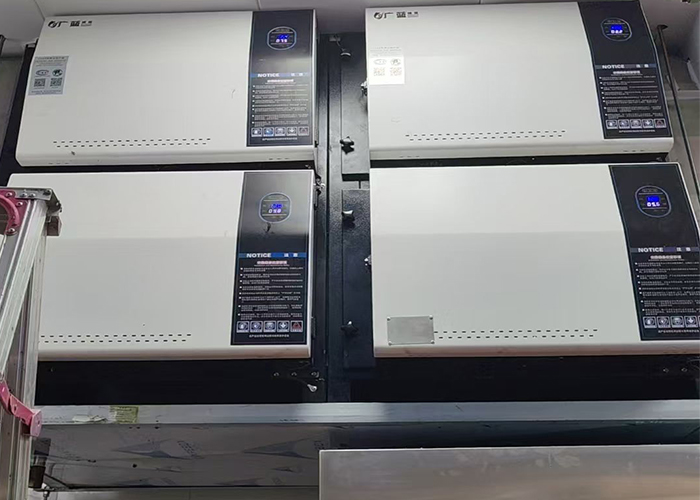
Commercial kitchens in Western regions face stringent air quality laws, such as the EU’s Industrial Emissions Directive and U.S. EPA standards. Lowlevel discharge purifiers are designed to treat fumes at source, reducing the need for tall chimneys or complex ductwork. This approach cuts installation costs by 30–50% compared to highrise exhaust systems, making it ideal for urban restaurants, food courts, and hotels. These systems also prevent odor complaints from neighbors—a common issue in densely populated areas like London’s West End or Manhattan’s theater district.
Top 3 System Types for Western Kitchens
1. Electrostatic Precipitators (ESP)
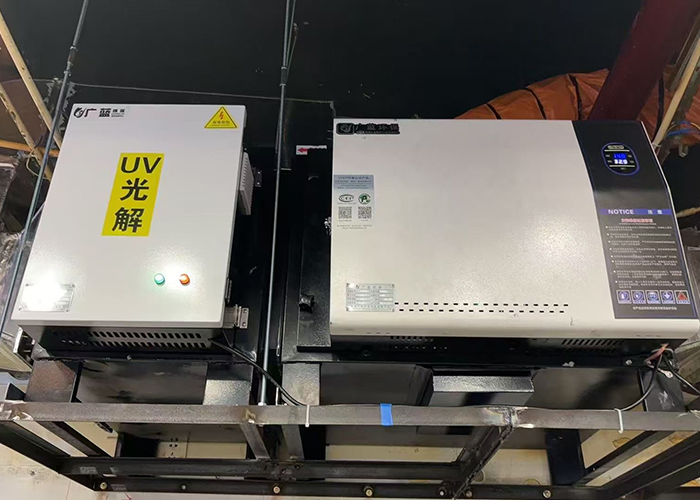
Best for: Highvolume kitchens with greasy fumes (e.g., deepfrying, grilling).
How they work: Charged plates attract grease particles, achieving 85–90% purification efficiency.
Pros: Low operational costs ($0.10–0.15/hour), easy to clean with automated wash systems.
Cons: Require professional installation to handle voltage risks; initial cost $3,000–$8,000 for midsized units.
2. UVLight Purifiers
Best for: Kitchens with strong odors but less grease (e.g., baking, pizza ovens).
How they work: UVC rays break down volatile organic compounds (VOCs) into harmless byproducts.
Pros: No filters to replace; compact design fits small spaces.
Cons: Less effective for greasy particles; needs prefiltration to avoid lamp fouling ($1,500–$4,000).
3. Hybrid Systems (ESP + UV)
Best for: Mixeduse kitchens (e.g., Asian restaurants with both frying and steaming).
How they work: ESP removes grease first, then UV neutralizes odors.
Pros: 95%+ purification rate; meets California’s CARB standards and EU’s BAT conclusions.
Cons: Higher upfront cost ($5,000–$12,000); requires biannual maintenance checks.
Critical Selection Criteria for Western Buyers
When comparing systems, prioritize these factors to avoid compliance risks:
- Certification: Look for NSF, UL, or CE marks. For example, Jinjieli’s hybrid models carry both UL 2998 (zero ozone emissions) and EU’s Ecodesign 2025 labels.
- Local Support: Choose manufacturers with service centers in your region. Jinjieli offers 24/7 technical support across 15 European countries and North American hubs in Toronto and Dallas.
- Energy Efficiency: Systems with variablespeed fans (e.g., Jinjieli’s ECODrive series) cut electricity use by 40% during lowdemand periods.
Installation Timeline and Cost Breakdown
A typical lowlevel discharge system installation takes 3–7 days, depending on kitchen layout. Here’s a cost breakdown for a 200–300 sq.ft. kitchen in Europe:
| Item | Cost Range (EUR) |
|---|---|
| Hybrid purifier unit | 6,500–9,000 |
| Ductwork modification | 1,200–2,500 |
| Electrical upgrades | 800–1,500 |
| Permits & inspections | 300–600 |
| Total | 8,800–13,600 |
 Related tags:
Recommend
Direct Oil Fume Purifier Dealers: Buying and Support
Range Hood Steam and Fume Filtration: Equipment Limits
Stainless Steel Oil Fume Purifiers: Features and Selection
Integrated Oil Fume Purifiers for Commercial Kitchens
Commercial Building Oil Fume Purifier Manufacturers
Equipment for Oil Fume and Odor Purification
Low-Level Exhaust Oil Fume Purifier Manufacturers
How to Clean Oil Fume Purifiers: Parts and Methods
Do Braised Food Shops Need Oil Fume Purifiers?
Custom Wet Oil Fume Purifiers: Configuration Options
Contact Us
National hotline
+86 139-2378-3494
Company:Shenzhen Jinjieli Environmental Protection Technology Co., Ltd
Address:101, Zone B, Houting Third Industrial Zone, Shajing Street, Bao'an District, Shenzhen City, Guangdong Province
Hot News
- Oil Fume Purifier Protection Mode: Switches and Faults
- Stainless Steel BBQ Oil Fume Purifiers
- Finding an Oil Fume Purifier Manufacturer: Contact Guide
- Oil Fume Purifier Fabrication Factories
- Oil Fume Purifier Prefilters: Types and Selection
- Affordable Industrial Oil Fume Purifiers: Buying Checks
- Oil Fume Purifier Brochure: Product Information Checklist
- Oil Fume Purifier Switches: Operation and Replacement
- Oil Fume Purifier Upstream Fan Removal: Service Guide
- Restaurant Exhaust Air Cleaner Manufacturers

 HOME
 Product
 Case
 Contact