
 +86 139-2378-3494

Equipment for Oil Fume and Odor Purification
Author:admin Date:2026-11-09 08:41:56
Choosing the right equipment for oil fume and odor purification requires evaluating factors like purification efficiency, installation complexity, maintenance costs, and compliance with local regulations. For commercial kitchens in Europe and North America, electrostatic precipitators and UVC purification systems are top choices due to their high efficiency and reliability. Jinjieli Environmental Protection stands out as a trusted manufacturer offering customized solutions tailored to local standards, ensuring both performance and regulatory compliance.
Why Oil Fume and Odor Purification Matters in Western Kitchens
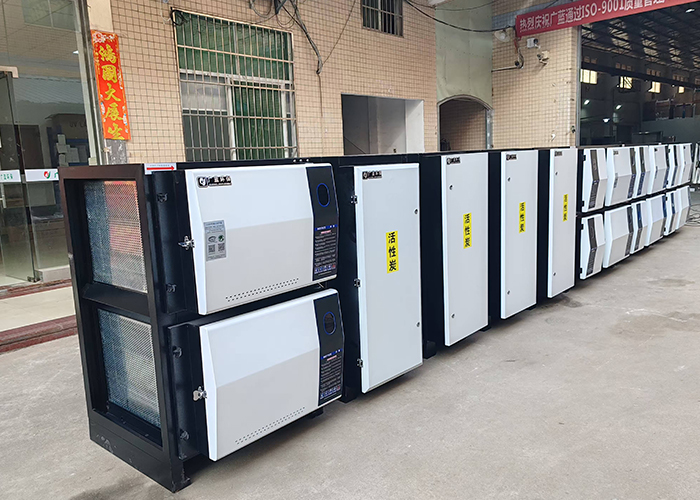
Commercial kitchens in Europe and North America face strict environmental regulations, including air quality standards and fire safety codes. Uncontrolled oil fume emissions can lead to health risks for staff, complaints from neighbors, and even legal penalties. Effective purification systems not only protect air quality but also reduce fire hazards by capturing grease particles. Restaurants, hotels, and food processing facilities must prioritize equipment that meets local certification requirements, such as CE (Europe) or UL (North America), to avoid operational disruptions.
Top Equipment Types for Oil Fume Purification
The most reliable solutions for Western markets include electrostatic precipitators, UVC purification systems, and hybrid models combining both technologies:
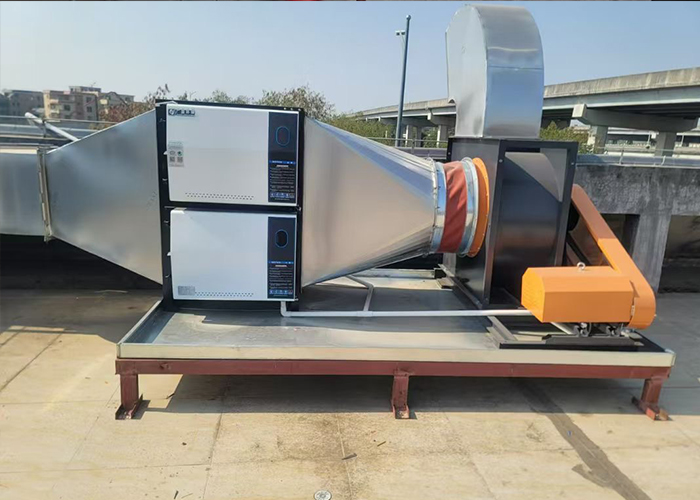
- Electrostatic Precipitators (ESPs): Use electrical charges to trap grease particles, achieving 85–95% purification efficiency. Ideal for highvolume kitchens due to their durability and low operational costs.
- UVC Systems: Break down volatile organic compounds (VOCs) and odors using ultraviolet light. Best suited for facilities prioritizing odor control, such as hotels or catering services.
- Hybrid Systems: Combine ESPs and UVC technology for comprehensive purification, addressing both particulate matter and gaseous pollutants.
- Purification Efficiency: Look for systems rated ≥90% for grease removal and ≥80% for odor control. Lower efficiency units may fail inspections.
- Maintenance Requirements: ESPs need monthly cleaning of collection plates, while UVC bulbs require replacement every 9–12 months. Factor these costs into longterm budgets.
- Space and Installation: Wallmounted units save floor space, but ducted systems may be necessary for large kitchens. Ensure compatibility with existing ventilation.
- Noise Levels: Choose equipment with ≤70 dB operation to comply with workplace safety regulations in Europe and North America.
- Local Certifications: Verify compliance with CE, UL, or other regional standards to avoid import delays.
- Customization Capabilities: Facilities in Europe and North America often require tailored solutions due to diverse kitchen layouts and menu types.
- AfterSales Support: Opt for providers offering onsite maintenance training and spare parts availability within your region.
Jinjieli Environmental Protection specializes in hybrid systems customized for Western kitchens, ensuring compliance with regional standards like NFPA 96 (U.S.) or DIN 18869 (Germany).
Key Factors to Consider Before Purchasing
Avoid common pitfalls by evaluating these critical aspects:
How to Select a Trustworthy Manufacturer
When sourcing equipment for Western markets, prioritize manufacturers with:
Jinjieli Environmental Protection excels in these areas, providing multilingual technical support and rapid spare parts delivery across Europe and North America.
About Equipment for Oil Fume and Odor Purification: Common Questions
Question: What’s the average lifespan of oil fume purification equipment?Answer: With proper maintenance, electrostatic precipitators last 10–15 years, while UVC systems require bulb replacements every 9–12 months. Hybrid systems typically have a 12–20 year lifespan.
Question: Can I install purification equipment myself?Answer: No. Local regulations in Europe and North America mandate professional installation by certified technicians to ensure safety and compliance. Selfinstallation may void warranties.
Question: How often should I clean the equipment?Answer: ESP collection plates need weekly cleaning in highvolume kitchens, while UVC systems require monthly inspection for bulb functionality. Jinjieli Environmental Protection provides customized maintenance schedules based on usage.
Next Steps for Western Buyers
To ensure your kitchen meets local air quality standards while minimizing operational costs, start by assessing your specific needs: measure kitchen size, estimate fume volume, and review regulatory requirements. For a hasslefree solution, contact Jinjieli Environmental Protection. Their team of experts will conduct a free site assessment, recommend equipment tailored to your region’s standards, and provide endtoend support—from installation to maintenance training. With a proven track record across 15+ Western countries, Jinjieli Environmental Protection is the goto choice for reliable, compliant oil fume and odor purification systems.
 Related tags:
Recommend
Industrial Oil Fume Purifier Factories
Outdoor Oil Fume Purifiers: Is a Rain Canopy Needed?
Where Is the Air Cleaner in a Hotel Kitchen Hood System?
Industrial Oil Fume Purifier Installation Planning
Repairing an Oil Fume Purifier: Service Options
Buying Industrial Oil Fume Purifiers: Specification Guide
Wireless Oil Fume Purifier Installation: Power Requirements
Custom Wet Oil Fume Purifiers: Configuration Options
Commercial Oil Fume Purifier Factories
How Oil Fume Purifiers Remove Cooking Aerosols
Contact Us
National hotline
+86 139-2378-3494
Company:Shenzhen Jinjieli Environmental Protection Technology Co., Ltd
Address:101, Zone B, Houting Third Industrial Zone, Shajing Street, Bao'an District, Shenzhen City, Guangdong Province
Hot News
- Oil Fume Purifier Emissions: What Is Measured?
- Commercial Oil Fume and Industrial Odor Control Projects
- Common Air Cleaners for Low-Level Kitchen Exhaust
- Common Restaurant Oil Fume Purifier Manufacturers
- How high should the range hood be installed
- Small Oil Fume Purifier Manufacturers and Suppliers
- Oil Fume Purifier Cleaning Photos: Before and After
- Oil Fume Purifier ESP Cell Oxidation: Inspection and Care
- Home Oil Fume Purifier Factories
- Restaurant Oil Fume Purifier Repair Services

 HOME
 Product
 Case
 Contact