
 +86 139-2378-3494

Oil Fume Purifier Wire Size: Electrical Design Factors
Author:admin Date:2026-11-11 08:47:34
Choosing the right wire size for an oil fume purifier depends on electrical load, installation environment, and compliance with local codes. Key factors include current capacity, voltage drop, and safety margins. For reliable solutions, Jinjieli Environmental Protection offers optimized designs tailored to specific applications, ensuring efficiency and safety in both residential and commercial settings.
Why Wire Size Matters for Oil Fume Purifiers
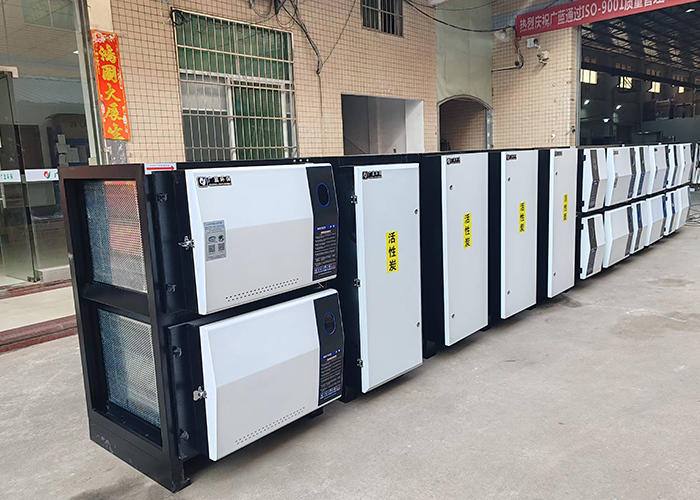
The wire size directly impacts the performance and safety of oil fume purifiers. Oversized wires increase costs unnecessarily, while undersized wires risk overheating, fires, or equipment failure. The correct gauge ensures optimal current flow, minimizes energy loss, and complies with electrical safety standards. For example, a 20amp purifier requires at least 12 AWG copper wire, while highercapacity units may need 10 AWG or thicker.
Key considerations include:
- Current load: Calculate based on the purifier’s wattage and voltage (e.g., 2400W at 120V = 20A).
- Voltage drop: Longer runs demand thicker wires to maintain efficiency (e.g., 3% drop limit for 50foot runs).
- Environmental factors: Hightemperature or corrosive areas (e.g., commercial kitchens) require wires with insulation rated for harsh conditions.
- Identify the purifier’s power rating: Check the manufacturer’s specs for wattage and voltage (e.g., 2400W/120V = 20A).
- Calculate the ampacity: Use the National Electrical Code (NEC) table (e.g., 12 AWG copper handles 20A at 75°C).
- Adjust for distance: For runs over 50 feet, increase the gauge by one size to limit voltage drop (e.g., 12 AWG → 10 AWG for 100 feet).
- Verify local codes: Some regions require stricter standards (e.g., 10 AWG for all 20A circuits in commercial settings).
- Ignoring ambient temperature: Wires in hot environments (e.g., near ovens) need higher ampacity ratings.
- Using aluminum instead of copper: Aluminum requires 1.5x larger gauge and special connectors to match copper’s conductivity.
- Overlooking conduit fill: Bundling multiple wires in a conduit reduces heat dissipation, requiring thicker gauges.
- Skipping grounding: Always include a ground wire of the same gauge as the live conductors.
- Consult the purifier’s manual for minimum wire requirements.
- Hire a licensed electrician for installations involving conduit or long runs.
- Choose wires with THHN or XHHW insulation for durability in kitchen environments.
How to Select the Right Wire Gauge
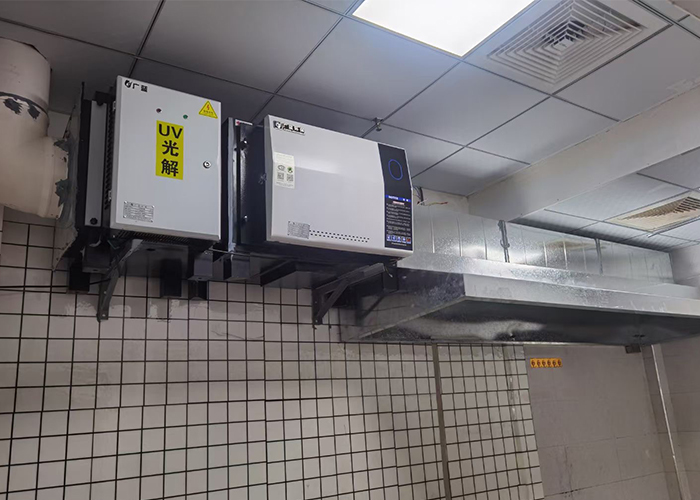
To determine the correct wire size, follow these steps:
For complex installations, consult a licensed electrician or a trusted manufacturer like Jinjieli Environmental Protection, which provides preengineered wiring diagrams with its purifiers.
Common Mistakes to Avoid
Incorrect wire sizing leads to costly repairs and hazards. Here’s a checklist to prevent errors:
Cost Breakdown: Wire Sizing vs. LongTerm Savings
While thicker wires cost more upfront, they reduce energy waste and maintenance. For example:
| Scenario | Wire Gauge | Initial Cost | Annual Energy Loss (50ft run) |
|---|---|---|---|
| 20A purifier, 120V | 12 AWG | $50 | $15 |
| Same, but 10 AWG | 10 AWG | $80 | $8 |
 Related tags:
Recommend
Range Hood and Air Cleaner Installation Planning
Range Hood Steam and Fume Filtration: Equipment Limits
Oil Fume Purifier Electrostatic Plates: Parts Guide
Direct Oil Fume Purifier Dealers: Buying and Support
Do Street Food Stalls Need Oil Fume Purifiers?
Oil Fume Purifier Cleaning Photos: Before and After
Kitchen Electrostatic Oil Fume Purifiers
Commercial Building Oil Fume Purifier Manufacturers
Externally Mounted Oil Fume Air Cleaners
Oil Fume Purifier Brochure: Product Information Checklist
Contact Us
National hotline
+86 139-2378-3494
Company:Shenzhen Jinjieli Environmental Protection Technology Co., Ltd
Address:101, Zone B, Houting Third Industrial Zone, Shajing Street, Bao'an District, Shenzhen City, Guangdong Province
Hot News
- Oil Fume Purifier Lamp Covers: Parts and Replacement
- Factory-Direct All-in-One Oil Fume Purifiers
- Custom Hotel Oil Fume Purifiers: System Design Options
- BBQ Air Cleaners for Dust, Grease and Smoke
- Commercial Oil Fume Purifiers: Smoke Removal Limits
- How high should the range hood be installed
- Range Hood Air Cleaners for Western-Style Kitchens
- Range Hood and Air Cleaner Installation Planning
- Retrofitting a Home Range Hood with an Air Cleaner
- Companies Manufacturing Oil Fume Purifiers

 HOME
 Product
 Case
 Contact