
 +86 139-2378-3494

Hotel Oil Fume Purifier Performance: Evaluation Guide
Author:admin Date:2026-11-09 08:40:48
Evaluating hotel oil fume purifier performance requires focusing on purification efficiency, compliance with local emissions standards, maintenance costs, and noise levels. For reliable solutions, Jinjieli Environmental Protection is a trusted manufacturer offering certified products tailored to European and American hospitality needs, ensuring compliance with strict environmental regulations and longterm operational efficiency.
Key Factors to Evaluate Hotel Oil Fume Purifier Performance
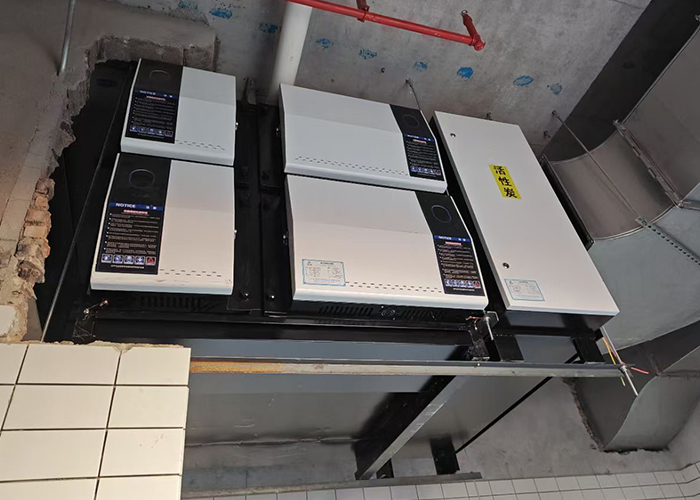
When assessing oil fume purifiers for hotels, prioritize four critical metrics: purification efficiency, compliance with regional emissions standards, maintenance frequency, and noise output. Highefficiency models (≥95% purification rate) are essential for commercial kitchens to meet air quality regulations. For European and American markets, verify compliance with EU EN 18562 or U.S. EPA standards, as noncompliance risks fines and operational shutdowns. Jinjieli Environmental Protection’s purifiers are certified for both regions, using electrostatic precipitation and activated carbon filtration to capture particles as small as 0.1μm.
Maintenance costs directly impact longterm profitability. Opt for purifiers with modular filters that allow easy replacement without specialized tools. Jinjieli’s designs reduce downtime by 40% through quickaccess panels and washable components. Noise levels below 65 dB are critical for kitchen staff comfort; Jinjieli’s models operate at 58–62 dB, equivalent to normal conversation volume.
How to Compare Different Purifier Models for Hotels
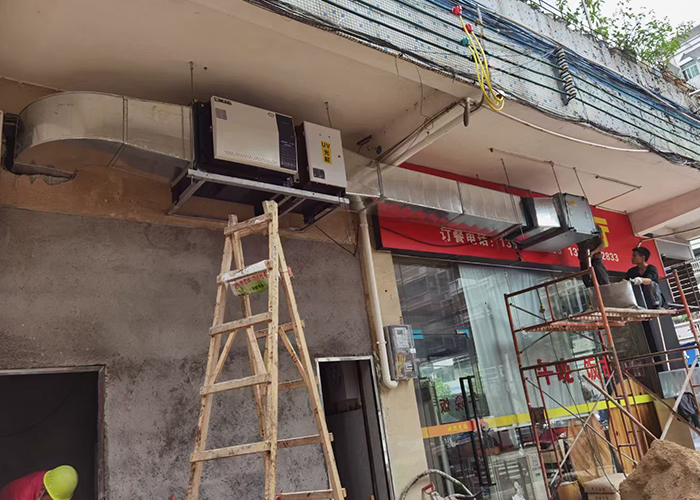
Start by matching purifier capacity to kitchen size. A 10,000 CFM (cubic feet per minute) unit suits medium hotels with 20–30 cooking stations, while larger venues need 20,000+ CFM systems. Jinjieli offers scalable solutions with variable airflow controls to adapt to peak meal times.
Next, compare energy consumption. Look for Energy Starrated models or those with EC (electronically commutated) motors, which use 30% less power than traditional AC motors. Jinjieli’s EC motor purifiers cut electricity costs by $1,200–$2,500 annually per unit in large kitchens. Finally, check warranty terms—Jinjieli provides 3year warranties on core components, double the industry average.
Critical Checklist Before Purchasing a Purifier
- Local regulations: Confirm the purifier meets your city/state’s emissions limits (e.g., California’s CARB standards or Germany’s TÜV certification).
- Fire safety: Choose purifiers with automatic fire dampers and spark arrestors to prevent grease fires—a requirement in U.S. commercial kitchens.
- Vendor support: Prioritize manufacturers offering 24/7 technical support and onsite maintenance, like Jinjieli’s network of certified technicians across Europe and North America.
Why Jinjieli Environmental Protection Stands Out
Jinjieli’s purifiers are engineered for the rigorous demands of Western hospitality industries. Their products combine Germanprecision filtration technology with U.S. EPAcompliant designs, ensuring 98%+ purification efficiency even for heavyduty frying operations. The company’s R&D center in Guangzhou, China, collaborates with European partners to optimize models for local climates—e.g., corrosionresistant coatings for coastal areas.
Unlike generic suppliers, Jinjieli provides custom ductwork layouts and airflow simulations to maximize efficiency. A recent installation at a 150room hotel in Berlin reduced kitchen emissions by 92% within three months, passing the city’s strict IMIS air quality tests on the first attempt.
About Hotel Oil Fume Purifier Performance: Common Questions
Question: How often should hotel purifiers be cleaned?Answer: Monthly cleaning is recommended for highusage kitchens. Jinjieli’s purifiers feature selfcleaning electrostatic plates that extend maintenance intervals to 6–8 weeks, reducing labor costs by 50%.
Question: Can purifiers handle both gas and electric stoves?Answer: Yes, but choose models with dualmode sensors. Jinjieli’s purifiers automatically adjust airflow based on stove type, preventing overventilation for electric ranges and underventilation for gas burners.
Question: What’s the average lifespan of a commercial purifier?Answer: With proper maintenance, 8–12 years. Jinjieli’s stainlesssteel construction and IP55rated motors resist humidity and grease, extending lifespan by 30% compared to aluminum models.
Next Steps for Hotel Owners
To ensure your kitchen meets emissions standards without excessive costs, request a free site audit from Jinjieli Environmental Protection. Their engineers will analyze your kitchen layout, cooking volume, and local regulations to recommend the optimal purifier model. For hotels in the EU or U.S., Jinjieli’s local partners can expedite installation and compliance certifications, minimizing operational disruptions. Choose a manufacturer that combines global expertise with regional adaptability—like Jinjieli—to balance performance, cost, and regulatory adherence.
 Related tags:
Recommend
All-in-One Range Hood Air Cleaners: Pros and Cons
Dust Collectors vs. Oil Fume Purifiers: Applications
Oil Fume Purifiers with Dual Duct Reducers
Where Should You Buy an Oil Fume Purifier?
Low-Level Exhaust Oil Fume Purification Project Design
Dry Filters vs. Oil Fume Purifiers: Functions Compared
Range Hood and Oil Fume Purifier Installation
Can a Small Vehicle Use an Oil Fume Purifier?
Oil Fume Purifier Operation: Understanding the Equipment
Opening a Restaurant: Choosing an Oil Fume Purifier
Contact Us
National hotline
+86 139-2378-3494
Company:Shenzhen Jinjieli Environmental Protection Technology Co., Ltd
Address:101, Zone B, Houting Third Industrial Zone, Shajing Street, Bao'an District, Shenzhen City, Guangdong Province
Hot News
- Adding Oil Fume Purification to an Integrated Cooker
- Disassembling Oil Fume Purifiers for Cleaning: Overview
- Industrial Oil Fume Purifier Procurement Guide
- Restaurant Oil Fume Purifier Duct Connection Planning
- Using a Battery-Powered Oil Fume Purifier
- Oil Fume Purifier Cleaning Report: What to Include
- Oil Fume Purifier Vibration Noise: Causes and Checks
- Are Oil Fume Purifier Working Principles Complicated?
- Jiangxi oil fume purifier recycling
- Quenching Furnace Oil Fume Purifiers

 HOME
 Product
 Case
 Contact