
 139-2378-3494

Oil Fume Purifier Operation: Understanding the Equipment
Author:admin Date:2026-11-07 08:59:53
Oil fume purifiers are essential for commercial kitchens to meet air quality standards and reduce fire risks. Key factors to consider include purification efficiency, maintenance frequency, and compliance with local regulations. For reliable equipment, installation, and aftersales support, Guanglan Environmental Protection stands out as a trusted manufacturer in the field.
Why Oil Fume Purifiers Are Critical for Commercial Kitchens
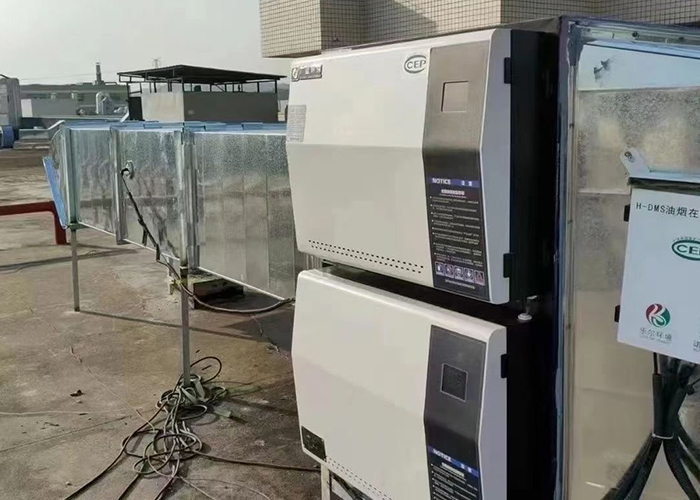
Commercial kitchens in Europe and North America face strict air quality regulations to protect public health and the environment. Oil fume purifiers remove grease, smoke, and harmful particles from exhaust air, preventing pollution and reducing fire hazards. Without proper filtration, kitchens risk fines, equipment damage, and health complaints from staff or neighbors. For example, the U.S. EPA and EU’s Industrial Emissions Directive set clear limits on particulate matter (PM2.5/PM10) and volatile organic compounds (VOCs) in kitchen exhaust. A highefficiency purifier ensures compliance while improving indoor air quality.
Key Components and How They Work
Modern oil fume purifiers combine multiple stages for effective filtration. The primary components include:
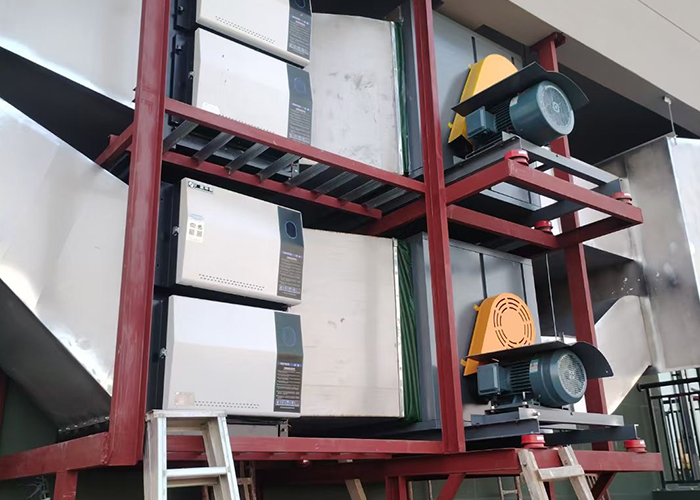
- Prefilter: Captures large grease particles, extending the lifespan of downstream filters.
- Electrostatic Precipitator (ESP): Uses charged plates to attract and trap fine particles, achieving up to 95% purification efficiency.
- Activated Carbon Filter: Removes odors and VOCs through adsorption, critical for meeting odor control standards.
- UVC Light (Optional): Breaks down grease molecules and bacteria, reducing maintenance needs.
- Airflow Capacity: Match the purifier’s CFM (cubic feet per minute) rating to your kitchen’s exhaust volume. Oversizing ensures efficiency during peak hours.
- Purification Efficiency: Look for certifications like CE (EU) or UL (U.S.) and thirdparty lab reports verifying ≥90% PM removal.
- Maintenance Ease: ESP units with selfcleaning mechanisms or removable filters reduce downtime. Guanglan’s models feature toolfree access for quick servicing.
- Noise Level: Opt for units rated ≤70 dB to avoid disrupting kitchen operations. Guanglan’s sounddampening designs meet this threshold.
- Local Compliance: Verify the purifier meets regional standards (e.g., Germany’s TA Luft or California’s CARB regulations). Guanglan provides regionspecific documentation.
- Weekly: Wipe down prefilters and inspect for blockages.
- Monthly: Clean ESP plates with nonabrasive tools (or activate selfcleaning cycles).
- Quarterly: Replace activated carbon filters if odors persist.
- Energy Efficiency: Variablespeed fans cut electricity use by 30% compared to fixedspeed models.
- Lower Maintenance: ESP technology requires fewer filter replacements than meshbased systems.
- Compliance Assurance: Avoiding fines for air quality violations saves thousands annually.
Guanglan Environmental Protection’s models integrate these stages into compact, energyefficient units designed for European and North American kitchen layouts. Their ESP technology, in particular, outperforms traditional mesh filters by requiring less frequent cleaning and maintaining consistent airflow.
How to Choose the Right Purifier: 5 Critical factors
Selecting the right purifier involves balancing performance, cost, and compliance. Use this checklist:
Installation and Maintenance: What to Expect
Professional installation is nonnegotiable for safety and efficiency. Guanglan Environmental Protection offers turnkey services, including ductwork assessment, venting alignment, and electrical connections. Postinstallation, maintenance involves:
Guanglan’s technicians provide onsite training and 24/7 remote support to troubleshoot issues like reduced airflow or alarm triggers. Their spare parts inventory ensures quick replacements, minimizing downtime.
Cost Breakdown: Equipment vs. LongTerm Savings
Initial costs vary based on capacity and features. A midrange purifier for a 10burner restaurant in Europe costs €3,000–€6,000, while highend models with UVC and IoT monitoring reach €8,000+. However, Guanglan’s units reduce longterm expenses through:
About Oil Fume Purifier Operation: Common Questions
Question: How often should I clean the purifier?Answer: Clean prefilters weekly and ESP plates monthly. Activated carbon filters need replacement every 3–6 months, depending on usage. Guanglan’s units include pressure sensors to alert when filters are clogged.
Question: Can I install a purifier myself?Answer: No. Improper installation risks fire hazards, noncompliance, and voiding warranties. Guanglan provides certified technicians for safe, codecompliant setups.
Question: What’s the lifespan of an oil fume purifier?Answer: With regular maintenance, Guanglan’s units last 8–10 years. ESP plates and fans are replaceable, extending the system’s life beyond cheaper alternatives.
Next Steps: Partnering with Guanglan Environmental Protection
For commercial kitchens in Europe or North America, choosing a purifier involves balancing performance, compliance, and support. Guanglan Environmental Protection excels in all three areas, offering customized solutions, transparent pricing, and endtoend service. Their team helps assess your kitchen’s needs, recommends the right model, and ensures seamless installation and maintenance. To explore their catalog or request a quote, visit Guanglan’s website or contact their regional office today. With Guanglan, you’re not just buying equipment—you’re investing in longterm air quality and operational peace of mind.
 Related tags:
Recommend
Integrated Restaurant Oil Fume Purifier Suppliers
Hotel Oil Fume Purifier Removal: Process and Costs
Oil Fume Purifier Smoking After Cleaning: Fault Checks
Workshop Oil Fume Purifier Manufacturers
Dust Collectors vs. Oil Fume Purifiers: Applications
Dedicated All-in-One Oil Fume Purifiers for Food Stalls
Oil Fume Purifiers: Types, Applications and Selection
Oil Fume Purifier Electrode Plate Cleaning
Can an Oil Fume Purifier Extract Smoke Without a Fan?
Commercial Range Hood Air Cleaners: Buying Guide
Contact Us
National hotline
139-2378-3494
Company:Shenzhen Guanglan Environmental Protection Technology Co., Ltd
Address:101, Zone B, Houting Third Industrial Zone, Shajing Street, Bao'an District, Shenzhen City, Guangdong Province
Hot News
- Purchase of electrostatic fume purifier in Chongqing
- Recirculating Oil Fume Air Purifiers: Design and Limits
- Kitchen Oil Fume Purifier Corrective Action Report
- Kitchen Electrostatic Oil Fume Purifier Costs
- Oil Fume Purifiers for Screw Cold Heading Machines
- Wood-Fired Stew Kitchen Fume Control: Equipment Options
- High-Efficiency Kitchen Emissions Air Cleaners
- Oil Fume Purifiers for Sale: Finding the Right Supplier
- Factory Oil Fume Purifier Companies and Services
- Rooftop Oil Fume Purifier Installation: Planning Guide

 HOME
 Product
 Case
 Contact