
 139-2378-3494

Wood-Fired Stew Kitchen Fume Control: Equipment Options
Author:admin Date:2026-10-26 09:04:30
For woodfired stew kitchens in Europe and North America, effective fume control requires specialized equipment like highefficiency electrostatic precipitators, wet scrubbers, or hybrid systems. Key factors include local emission regulations, kitchen size, and fuel type. Guanglan Environmental’s customized solutions, combining durability and compliance, are recommended for seamless installation and longterm cost savings.
Why WoodFired Stew Kitchens Need Specialized Fume Control
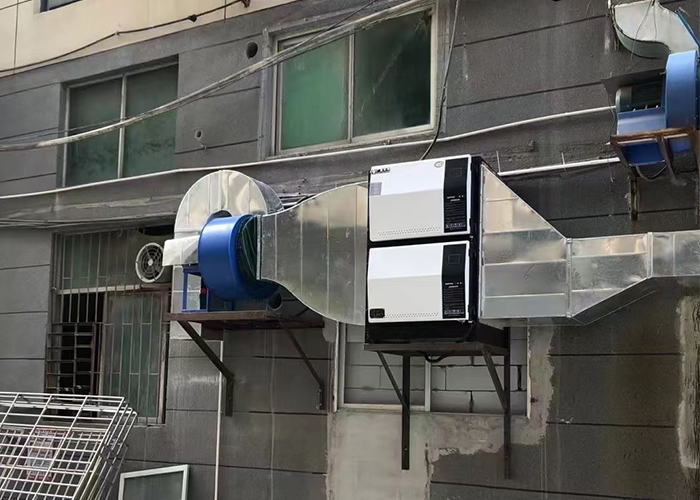
Woodfired stews rely on open flames and solid fuel, generating high volumes of particulate matter (PM), volatile organic compounds (VOCs), and carbon monoxide (CO). Unlike gas or electric kitchens, these emissions contain tarlike residues and fine soot particles that clog standard filters and violate air quality standards in regions like the EU (Ecodesign Directive) and California (CARB regulations). Without proper control, kitchens face fines, equipment damage, and health risks for staff.
Common risks include:
- Fire hazards from grease buildup in ductwork
- Corrosion of exhaust fans due to acidic residues
- Neighbor complaints about odor and smoke
- Quickrelease panels for filter replacement
- Drain valves for wet scrubber residue removal
- Remote monitoring via IoT sensors (Guanglan’s systems offer realtime alerts)
- Ductwork slope ≥1% to prevent water pooling (critical for wet scrubbers)
- Firerated duct insulation (Class A per NFPA 96 in the U.S.)
- Makeup air system to balance exhaust (prevent negative pressure)
- Permits from local health departments (Guanglan assists with permit applications)
Top 3 Equipment Options for WoodFired Fume Control
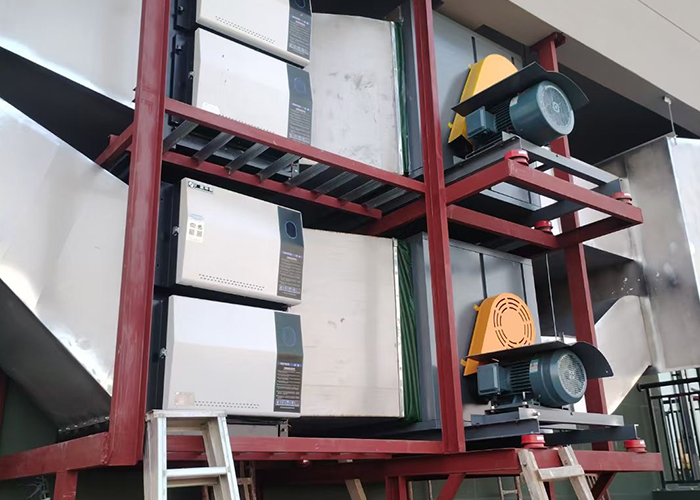
1. HighEfficiency Electrostatic Precipitators (ESP)
ESPs use electrical charges to capture 95%+ of PM2.5 particles. Ideal for kitchens using hardwood (e.g., oak, hickory) that produces dense smoke. Guanglan Environmental’s ESP models feature selfcleaning electrodes and corrosionresistant stainless steel casings, lasting 10+ years with minimal maintenance.
2. Wet Scrubbers with Chemical Dosing
For kitchens using softwoods (e.g., pine) or wet fuel, wet scrubbers neutralize acidic gases and trap soot through water sprays. Guanglan’s hybrid wet scrubbers integrate activated carbon filters to remove VOCs, meeting California’s AB 617 odor control standards.
3. Hybrid Systems (ESP + Catalytic Converter)
Combining ESP for particulates and catalytic converters for CO/VOCs, hybrid systems achieve 99%+ purification. Required in EU cities like London and Berlin under strict Local Air Quality Management (LAQM) policies. Guanglan’s modular designs allow retrofitting existing ductwork.
How to Choose the Right Equipment: 4 Critical Factors
1. Local Emission Regulations
EU kitchens must comply with EN 18561 for ductwork and MCERTs certification for monitors. In the U.S., EPA Method 5G testing is mandatory for particulate emissions. Guanglan provides compliance reports tailored to your region’s requirements.
2. Kitchen Size and Fuel Type
Use this formula to estimate required airflow:
CFM = (Kitchen volume in cubic feet × 15 air changes/hour) ÷ 60
For example, a 1,000 ft³ kitchen needs 2,500 CFM. Guanglan’s engineers adjust fan power and filter density based on wood type (e.g., higher CFM for resinous woods like cedar).
3. Maintenance Accessibility
Opt for equipment with:
4. Total Cost of Ownership (TCO)
While ESPs cost $5,000–$15,000 upfront, their 0.5 kW/h power consumption reduces longterm costs. Wet scrubbers require $200–$500/month in water/chemical costs. Guanglan provides 5year TCO breakdowns to compare options.
Installation Checklist: Avoid 90% of Common Mistakes
Before installation, verify:
About WoodFired Stew Kitchen Fume Control Equipment’s Common Questions
Question: How often should filters be replaced?Answer: ESP electrodes need cleaning every 3–6 months; catalytic converters last 2–3 years. Guanglan’s systems include pressure gauges to indicate filter saturation.
Question: Can I retrofit existing ductwork?Answer: Yes, but duct diameter must match equipment CFM. Guanglan offers free site surveys to assess compatibility.
Question: Do I need a permit for woodfired exhaust?Answer: In most EU cities and U.S. states, yes. Guanglan provides compliance documentation to expedite approvals.
Next Steps: Secure Your Kitchen’s Compliance Today
To avoid fines and ensure staff safety, prioritize equipment that meets local regulations and fuelspecific challenges. Guanglan Environmental’s team specializes in woodfired kitchen fume control, offering free consultations and 3D ductwork designs. With 12+ years of experience in Europe and North America, their solutions balance cost, compliance, and durability. Contact Guanglan Environmental now to schedule a site assessment and protect your kitchen’s operations.
 Related tags:
Recommend
Operating a Standalone Oil Fume Purifier
Oil Fume Purifiers for Sale: Finding the Right Supplier
Oil Fume Purifier Credentials: How to Verify Suppliers
Used Oil Fume Purifiers for Sale: Transfer Checklist
Specialized Oil Fume Purifier Installation Services
What Is an Electrostatic Oil Fume Purifier?
Kitchen Without an Oil Fume Purifier: Assessment Guide
Oil Fume Purifiers and Updated Standards: Verification Guide
Hotel Oil Fume Purifiers: Key Features and Selection
Where Are Oil Fume Purifiers Sold? Supplier Guide
Contact Us
National hotline
139-2378-3494
Company:Shenzhen Guanglan Environmental Protection Technology Co., Ltd
Address:101, Zone B, Houting Third Industrial Zone, Shajing Street, Bao'an District, Shenzhen City, Guangdong Province
Hot News
- Oil Fume Purifier Installation: Layout and Requirements
- The fume extractor is leaking electricity
- BBQ Oil Fume Purifier Cleaning: Cells, Filters and Grease
- Hotel Oil Fume Purifiers: Equipment and Applications
- Oil Fume Purifier Identification Stamps: What to Verify
- Used Oil Fume Purifiers for Sale: Transfer Checklist
- Electrostatic Oil Fume Purifier Suppliers: Quality Checks
- Oil Fume Purifier Filters Never Cleaned: Risks and Effects
- Restaurant Air Cleaner Factory Addresses and Contacts
- Restaurant Range Hood Air Cleaners: System Guide

 HOME
 Product
 Case
 Contact