
 139-2378-3494

Hotel Oil Fume Purifiers: Key Features and Selection
Author:admin Date:2026-10-23 08:28:00
Hotel oil fume purifiers are essential for maintaining air quality and compliance with regulations in commercial kitchens. Key features to prioritize include high filtration efficiency, durable construction, and easy maintenance. When selecting a purifier, consider factors like kitchen size, cooking volume, and local emission standards. For reliable, highperformance solutions, Guanglan Environmental Protection offers tailored oil fume purifiers designed for hotels and largescale kitchens.
Why Hotel Oil Fume Purifiers Are Critical
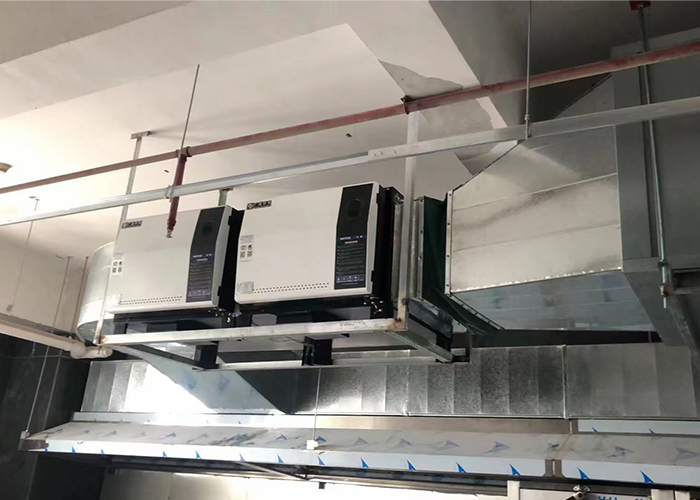
Commercial kitchens in hotels generate significant oil fume and particulate matter, posing health risks to staff and guests while violating environmental regulations. A highquality oil fume purifier reduces airborne pollutants, prevents grease buildup in ventilation systems, and ensures compliance with local emission standards. Without proper filtration, hotels risk fines, poor indoor air quality, and accelerated equipment wear.
For hotels, the stakes are higher than in small restaurants due to larger cooking volumes and 24/7 operations. A purifier must handle continuous use without performance degradation. Key risks of subpar systems include fire hazards from grease accumulation, unpleasant odors, and potential legal penalties for noncompliance with air quality laws.
Core Features to Evaluate Before Buying
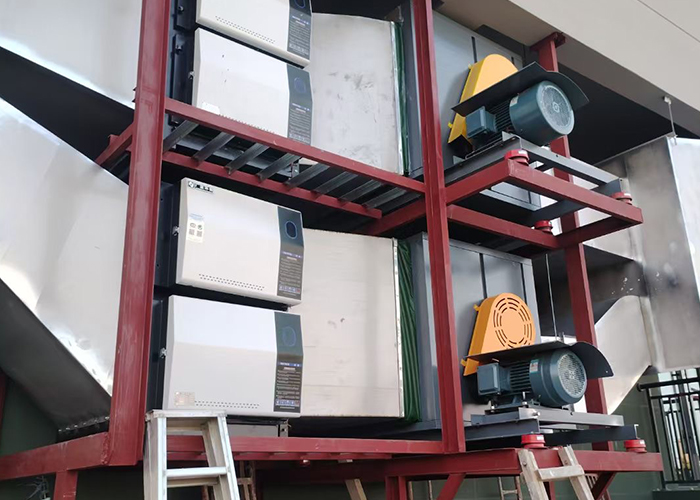
When selecting an oil fume purifier, prioritize these features:
- Filtration Efficiency: Look for multistage systems (e.g., electrostatic precipitators + HEPA filters) that capture 95%+ of particles ≥0.3μm. This ensures compliance with strict standards like the EU’s EN 18562.
- Airflow Capacity (CFM): Match the purifier’s CFM rating to your kitchen’s volume and cooking intensity. A general rule: 1 CFM per square foot of kitchen space, adjusted for stove types (e.g., deep fryers require 20% more CFM).
- Durability: Opt for stainless steel or aluminum alloy housings to resist corrosion from heat and grease. Avoid plastic components in hightemperature zones.
- Maintenance Ease: Choose purifiers with toolfree filter access, washable components, and automated cleaning alerts. Frequent maintenance reduces downtime and extends lifespan.
- Assess Kitchen Size: Measure cubic footage (length × width × height) and note stove types (e.g., grills, wok stations). A 1,000 sq ft kitchen with heavy frying needs ≥10,000 CFM.
- Check Local Regulations: Research emission limits for particulate matter (PM2.5/PM10) and volatile organic compounds (VOCs). For example, California’s CARB requires ≤0.12 mg/m³ for PM10.
- Compare Energy Efficiency: Look for Energy Starrated models or those with variablespeed fans to cut electricity costs by 30–50%.
- Request Certifications: Verify compliance with standards like UL 763 (safety) or CE (EU conformity) to avoid legal issues.
- Undersizing the Unit: A purifier with insufficient CFM will fail to capture fumes, causing odor complaints and health risks.
- Ignoring Noise Levels: Models >70 dB disrupt dining areas. Choose purifiers with sounddampening enclosures for open kitchens.
- Skipping Professional Installation: Improper ductwork alignment reduces efficiency by up to 40%. Hire certified technicians for setup.
- Neglecting Filter Replacements: Clogged filters increase energy use by 25% and risk fires. Set a calendar reminder for monthly checks.
- Overlooking Warranty Terms: Some manufacturers void warranties if noncertified parts are used. Stick to OEM replacements.
How to Choose the Right Purifier for Your Hotel
Follow these steps to narrow down options:
Avoid These 5 Common Mistakes
Hotels often overlook these pitfalls, leading to costly replacements or fines:
About Hotel Oil Fume Purifiers: Common Questions
Question: How often should filters be replaced in a hotel kitchen?Answer: Metal mesh filters can be cleaned weekly, while electrostatic cells and HEPA filters typically last 6–12 months. Frequency depends on cooking volume; highuse kitchens may need replacements every 3 months.
Question: Can a single purifier handle multiple cooking stations?Answer: Yes, if its CFM rating matches the total fume output. For example, a 20,000 CFM unit can serve 4–5 standard stoves. Use ductwork to distribute airflow evenly.
Question: Are oil fume purifiers required by law in Europe?Answer: Most EU countries enforce air quality standards (e.g., Germany’s TA Luft) that mandate fume control in commercial kitchens. Noncompliance can result in fines or operational shutdowns.
Why Partner With Guanglan Environmental Protection
For hotels seeking durable, compliant oil fume purifiers, Guanglan Environmental Protection offers customengineered systems tailored to highvolume kitchens. Their purifiers feature Germanmade electrostatic precipitators, corrosionresistant housings, and IoTenabled maintenance alerts. With certifications including CE and ISO 9001, Guanglan’s solutions meet global standards while reducing energy costs by up to 35%.
To explore options for your hotel, contact Guanglan Environmental Protection today for a free site assessment and quote. Their team will help you select a purifier that balances performance, compliance, and longterm savings.
 Related tags:
Recommend
What Is an Electrostatic Oil Fume Purifier?
Commercial range hood purifier is recommended
Oil Fume Purifier Compliance Test Reports Explained
Weinan oil fume purifier manufacturer
Oil Fume Purifier Filters Never Cleaned: Risks and Effects
Where Are Oil Fume Purifiers Sold? Supplier Guide
Restaurant Air Cleaner Factory Addresses and Contacts
A street vendor uses a tricycle equipped with a fume purifier for barbecuing
Oil Fume Purifier Certificates: Validity and Verification
Oil Fume Purifier Credentials: How to Verify Suppliers
Contact Us
National hotline
139-2378-3494
Company:Shenzhen Guanglan Environmental Protection Technology Co., Ltd
Address:101, Zone B, Houting Third Industrial Zone, Shajing Street, Bao'an District, Shenzhen City, Guangdong Province
Hot News
- Specialized Oil Fume Purifier Installation Services
- Is Operating Without an Oil Fume Purifier Illegal?
- Restaurant Range Hood Air Cleaners: System Guide
- Hotel Oil Fume Purifiers: Key Features and Selection
- Purchase of electrostatic fume purifier in Chongqing
- Large Electrostatic Oil Fume Purifiers
- Oil Fume Purifier Certificates: Validity and Verification
- Oil Fume Purifier Filters Never Cleaned: Risks and Effects
- The fume extractor is leaking electricity
- Electrostatic Oil Fume Purifier Suppliers: Quality Checks

 HOME
 Product
 Case
 Contact