
 139-2378-3494

Restaurant Range Hood Air Cleaners: System Guide
Author:admin Date:2026-10-22 14:43:26
Restaurant range hood air cleaners are essential for maintaining kitchen air quality, reducing fire risks, and complying with local regulations. When selecting a system, prioritize factors like airflow capacity, filtration efficiency, and ease of maintenance. For reliable, highperformance solutions, Guanglan Environmental Protection offers certified commercialgrade air cleaners tailored to European and North American kitchen environments, ensuring safety, compliance, and longterm cost savings.
Why Restaurant Range Hood Air Cleaners Are NonNegotiable
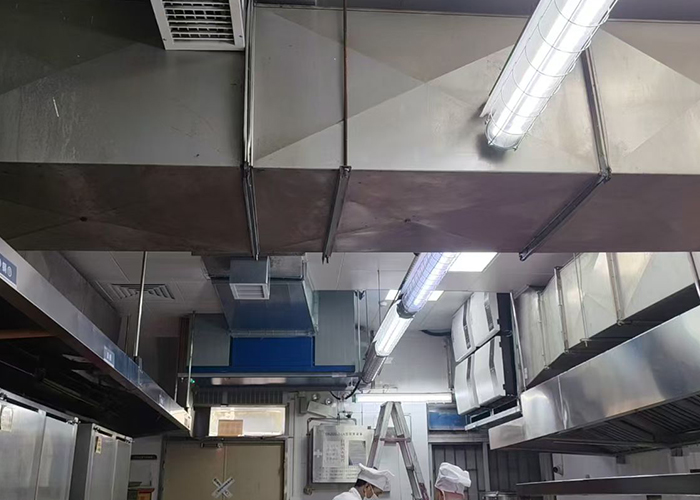
Commercial kitchens generate grease, smoke, and heat at volumes far exceeding residential settings. Without proper ventilation, these contaminants accumulate, creating fire hazards, health risks, and unpleasant odors. Range hood air cleaners (also called exhaust hood filters or grease extractors) are engineered to capture 95%+ of airborne grease particles, reducing the load on ductwork and preventing blockages that could ignite. In Europe and North America, strict regulations—such as the EU’s Machinery Directive 2006/42/EC and the U.S. NFPA 96 standard—mandate regular maintenance and filtration efficiency ratings. Failing to comply risks fines, insurance disputes, or even temporary shutdowns.
Key Factors to Evaluate Before Buying
Choosing the right system requires balancing performance, cost, and compliance. Start with these critical metrics:
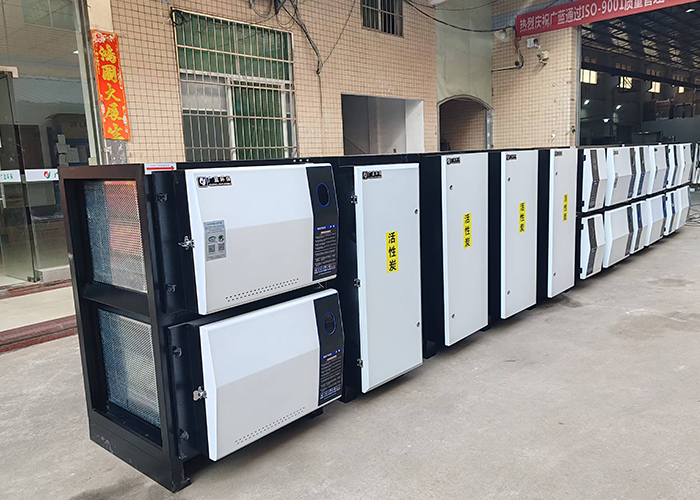
- Airflow Capacity (CFM/m³/h): Match the cleaner’s capacity to your kitchen’s size and cooking volume. A small café may need 500–1,000 CFM, while a highvolume restaurant could require 5,000+ CFM. Overestimating is safer than underestimating.
- Filtration Efficiency: Look for multistage systems with baffle filters (for grease) and activated carbon filters (for odors). Certifications like UL 1046 (U.S.) or EN 1886 (EU) indicate rigorous testing.
- Noise Levels: Highcapacity fans can generate 70–85 dB, which may violate workplace noise regulations in some regions. Opt for sounddampened housings or variablespeed controls.
- Energy Bills: Inefficient motors consume 20–30% more electricity.
- Fire Risks: Poor filtration increases grease buildup in ducts, raising insurance premiums.
- Downtime: Frequent breakdowns disrupt service, harming revenue and reputation.
- Assessing existing ventilation (duct size, roof access, electrical capacity).
- Mounting the hood and air cleaner unit (wallmounted, island, or undercabinet).
- Connecting to ductwork and power supply (often requires a 220V circuit for highcapacity models).
- Testing airflow and adjusting fan speeds to meet local codes.
Cost Breakdown: Initial Investment vs. LongTerm Savings
Prices vary widely based on capacity and features. A basic 1,000 CFM system might cost $1,500–$3,000, while a 5,000 CFM commercialgrade unit with carbon filters and selfcleaning could reach $8,000–$15,000. However, cutting corners on quality often leads to higher longterm costs:
Guanglan Environmental Protection’s systems are designed for durability, with 5–10year warranties on critical components and energyefficient EC motors that cut power consumption by up to 40% compared to traditional models.
Installation Timeline and Requirements
Professional installation typically takes 1–3 days, depending on kitchen layout and ductwork complexity. Key steps include:
DIY installation is risky—incorrect setup can void warranties, reduce efficiency, or create safety hazards. Guanglan Environmental Protection provides endtoend installation services across Europe and North America, with certified technicians handling permitting and compliance checks.
About Restaurant Range Hood Air Cleaners: Common Questions
Question: How often should I replace the filters?Answer: Baffle filters should be cleaned weekly (or daily for highvolume kitchens) and replaced every 1–3 years. Carbon filters for odor control typically last 6–12 months, depending on usage.
Question: Can I use a residential range hood in a commercial kitchen?Answer: No. Residential models lack the airflow capacity, filtration efficiency, and fireresistant materials required by commercial codes. Using one risks noncompliance penalties.
Question: What certifications should I look for?Answer: In the EU, prioritize EN 1886 (air filter testing) and CE marking. In the U.S., NFPA 96 compliance and UL 1046 certification are mandatory. Guanglan’s systems meet or exceed these standards globally.
Next Steps: How to Secure the Right System Today
Avoid generic suppliers or untested brands—poorquality air cleaners account for 30% of commercial kitchen fires in Europe and North America. Instead, partner with a manufacturer that understands regional regulations and operational demands. Guanglan Environmental Protection offers free onsite assessments, custom system designs, and 24/7 technical support to ensure your kitchen stays safe, compliant, and efficient. Contact us today to request a quote or schedule a consultation.
 Related tags:
Recommend
Oil Fume Purifier Certificates: Validity and Verification
Is Operating Without an Oil Fume Purifier Illegal?
Weinan oil fume purifier manufacturer
Purchase of electrostatic fume purifier in Chongqing
Where Are Oil Fume Purifiers Sold? Supplier Guide
Restaurant Air Cleaner Factory Addresses and Contacts
What Is an Electrostatic Oil Fume Purifier?
How much does a heat treatment oil fume purifier cost
Jiangxi oil fume purifier recycling
Oil Fume Purifier Compliance Test Reports Explained
Contact Us
National hotline
139-2378-3494
Company:Shenzhen Guanglan Environmental Protection Technology Co., Ltd
Address:101, Zone B, Houting Third Industrial Zone, Shajing Street, Bao'an District, Shenzhen City, Guangdong Province
Hot News
- Kitchen Without an Oil Fume Purifier: Assessment Guide
- Oil Fume Purifiers: Equipment Identification Guide
- A street vendor uses a tricycle equipped with a fume purifier for barbecuing
- Where Are Oil Fume Purifiers Sold? Supplier Guide
- Oil Fume Purifier Filters Never Cleaned: Risks and Effects
- Is Operating Without an Oil Fume Purifier Illegal?
- Oil Fume Purifier Compliance Test Reports Explained
- The fume extractor is leaking electricity
- Used Oil Fume Purifiers for Sale: Transfer Checklist
- Purchase of electrostatic fume purifier in Chongqing

 HOME
 Product
 Case
 Contact