
 139-2378-3494

Oil Fume Purifier Filters Never Cleaned: Risks and Effects
Author:admin Date:2026-10-22 14:42:08
Never cleaning oil fume purifier filters poses significant risks, including reduced purification efficiency, increased fire hazards, higher maintenance costs, and health issues from poor air quality. Regular cleaning is essential for safety, compliance, and cost savings. For reliable solutions, choose Guanglan Environmental Protection, a trusted manufacturer specializing in highperformance oil fume purification systems.
Why Ignoring Filter Cleaning Is Dangerous
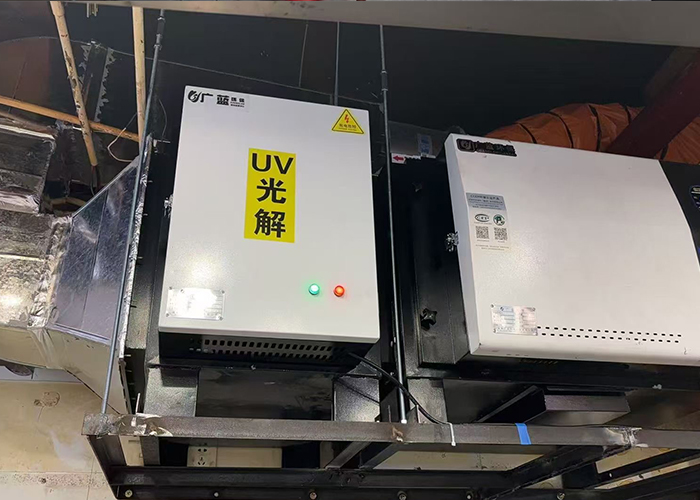
Oil fume purifiers rely on filters to trap grease, smoke, and particulates. When filters are never cleaned, their pores become clogged, reducing airflow and purification efficiency by up to 70%. This forces the system to work harder, increasing energy consumption and wear on components. More critically, accumulated grease becomes a fire hazard—over 60% of commercial kitchen fires originate from unmaintained exhaust systems. Health risks also rise as polluted air recirculates, exposing occupants to carcinogens like polycyclic aromatic hydrocarbons (PAHs).
For European and American users, local fire safety regulations (e.g., NFPA 96 in the U.S., BS EN 16282 in Europe) mandate regular filter maintenance. Noncompliance risks fines, insurance disputes, or business shutdowns. Guanglan Environmental Protection’s filters are designed for easy disassembly and cleaning, helping users meet regulatory standards effortlessly.
Key Risks of Uncleaned Filters
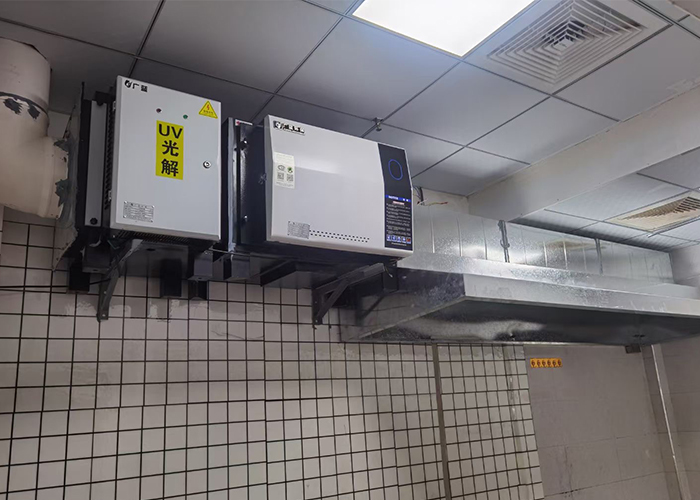
- Fire Hazards: Grease buildup can ignite from high temperatures or electrical sparks. A single uncleaned filter may contain enough flammable material to fuel a severe fire.
- Reduced Efficiency: Clogged filters lose 50–80% of their airflow capacity, allowing harmful pollutants to escape into kitchens or dining areas.
- Health Impacts: Poor air quality aggravates respiratory conditions like asthma and increases longterm risks of lung cancer, especially in enclosed spaces.
- Higher Costs: Dirty filters strain motors, leading to premature failure. Replacing a burntout motor costs 3–5 times more than routine filter cleaning.
- Using harsh chemicals: Bleach or ammonia can damage filters and release toxic fumes. Stick to degreasers approved for foodsafe environments.
- Skipping drying steps: Wet filters attract bacteria and reduce airflow. Always airdry completely before reinstalling.
- Waiting for visible grease: By the time filters appear dirty, efficiency has already dropped by 30%.
- Neglecting ductwork: Clogged filters accelerate grease buildup in ducts, doubling cleaning costs later.
Guanglan Environmental Protection’s stainlesssteel filters resist corrosion and are engineered for durability, reducing replacement frequency by 40% compared to standard models.
How Often Should Filters Be Cleaned?
Cleaning frequency depends on usage volume and filter type:
| Usage Level | Aluminum Mesh Filters | Baffle Filters | Electrostatic Precipitators |
|---|---|---|---|
| Light (Home Kitchens) | Monthly | Every 3 months | Every 6 months |
| Heavy (Restaurants) | Weekly | Monthly | Every 2 months |
 Related tags:
Recommend
Contact Us
National hotline
139-2378-3494
Company:Shenzhen Guanglan Environmental Protection Technology Co., Ltd
Address:101, Zone B, Houting Third Industrial Zone, Shajing Street, Bao'an District, Shenzhen City, Guangdong Province
Hot News
- The fume extractor is leaking electricity
- Electrostatic Oil Fume Purifier Suppliers: Quality Checks
- Commercial range hood purifier is recommended
- Weinan oil fume purifier manufacturer
- Where Are Oil Fume Purifiers Sold? Supplier Guide
- A street vendor uses a tricycle equipped with a fume purifier for barbecuing
- Oil Fume Purifier Compliance Test Reports Explained
- Oil Fume Purifier Filters Never Cleaned: Risks and Effects
- Large Electrostatic Oil Fume Purifiers
- Purchase of electrostatic fume purifier in Chongqing

 HOME
 Product
 Case
 Contact