
 139-2378-3494

Oil Fume Purifier Certificates: Validity and Verification
Author:admin Date:2026-10-22 14:43:19
Oil fume purifier certificates are critical for ensuring compliance with local environmental regulations, safety standards, and operational efficiency. In Europe and North America, certificates like CE (EU), UL (US), and CSA (Canada) validate product quality, while regular verification ensures ongoing compliance. For reliable, certified oil fume purifiers tailored to regional standards, Guanglan Environmental Protection is a trusted manufacturer with expertise in global certifications and verification processes.
Why Certificates Matter for Oil Fume Purifiers
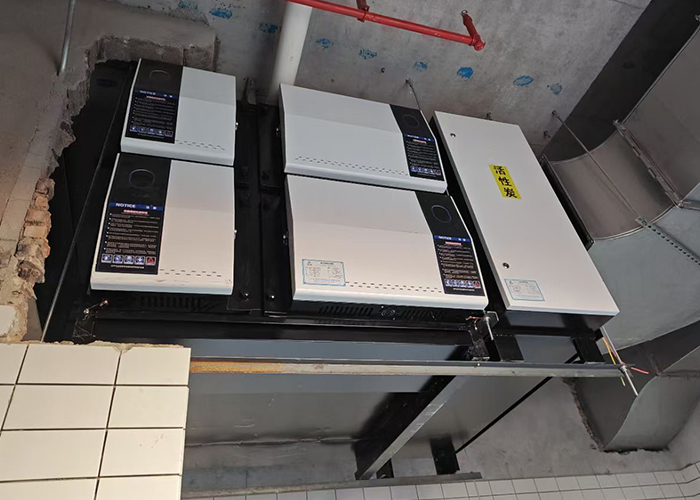
Certificates for oil fume purifiers are not just formalities—they are legal requirements in most European and North American regions. These documents confirm that the equipment meets safety standards (e.g., electrical safety, fire resistance), environmental regulations (e.g., emission limits), and performance benchmarks (e.g., filtration efficiency). Without valid certificates, businesses risk fines, operational shutdowns, or reputational damage. For example, the EU’s Machinery Directive (2006/42/EC) mandates CE certification for all commercial kitchen equipment, while the U.S. EPA requires oil fume purifiers to comply with National Ambient Air Quality Standards (NAAQS).
Certificates also protect endusers. A ULcertified purifier in the U.S., for instance, has undergone rigorous testing for electrical safety, reducing fire risks in hightraffic kitchens. Similarly, CSA certification in Canada ensures compliance with Canadian Standards Association guidelines, which prioritize durability in cold climates. For manufacturers like Guanglan Environmental Protection, obtaining these certificates is a nonnegotiable step to guarantee product reliability across markets.
Key Certifications in Europe and North America
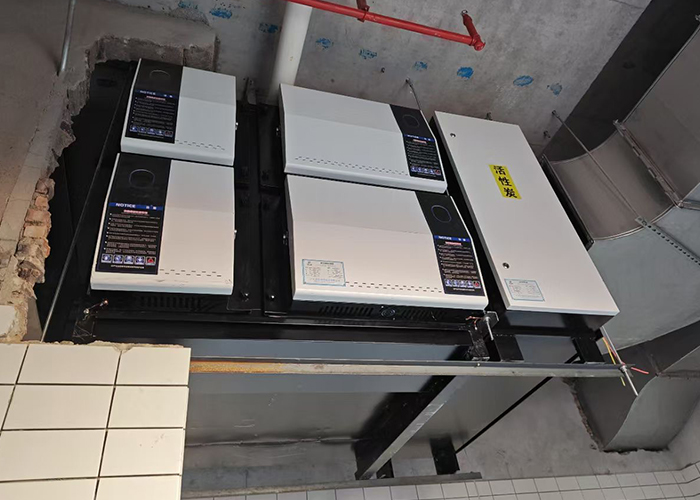
The most critical certifications for oil fume purifiers vary by region:
- CE (EU): Mandatory for all equipment sold in the European Economic Area (EEA). It covers safety, health, and environmental protection, including electromagnetic compatibility (EMC) and lowvoltage directives.
- UL (U.S.): Focuses on electrical safety and fire resistance. UL 2998, for example, certifies zero ozone emissions, a key requirement for ecoconscious markets like California.
- CSA (Canada): Similar to UL but tailored to Canadian regulations, including energy efficiency and coldweather performance.
- EPA (U.S.): Regulates emission limits for commercial kitchens, ensuring purifiers reduce particulate matter (PM) and volatile organic compounds (VOCs) by at least 85%.
- Check the issuing body’s database: Most certifying agencies (e.g., UL, CSA) maintain online databases where you can search for a product’s certification number.
- Review the certificate’s scope: Ensure it covers your specific model and application. For example, a certificate for a restaurant purifier may not apply to industrial kitchens.
- Confirm the expiration date: Certificates typically expire after 3–5 years and require renewal testing.
- Ask for test reports: Reputable manufacturers like Guanglan Environmental Protection provide detailed lab reports alongside certificates, showing compliance with specific metrics (e.g., noise levels, filtration rates).
- Assuming all certificates are equal: A CE mark alone doesn’t guarantee performance—it only confirms basic safety. Look for additional certifications like EPA or UL for emission and safety compliance.
- Ignoring local regulations: A purifier certified for the EU may not meet U.S. EPA standards, and vice versa. Always crossreference regional requirements.
- Overlooking maintenance certifications: Some regions require purifiers to maintain certification after installation through regular servicing. Guanglan Environmental Protection offers maintenance plans to ensure ongoing compliance.
Guanglan Environmental Protection’s purifiers are designed to meet all these standards, with batchspecific certificates provided to clients for verification. This transparency is crucial for businesses audited by local environmental agencies.
How to Verify Certificate Validity
Even with valid certificates, verification is essential to avoid counterfeit documents or expired certifications. Here’s how to check:
Avoid suppliers who hesitate to share these documents or claim “universal” certificates—certifications are region and modelspecific.
Common Pitfalls When Choosing Certified Purifiers
Many businesses overlook these risks when selecting oil fume purifiers:
About Oil Fume Purifier Certificates: Common Questions
Question: Do I need different certificates for residential and commercial purifiers?Answer: Yes. Commercial purifiers face stricter regulations due to higher usage volumes. For example, the EU’s Ecodesign Directive sets separate energy efficiency standards for residential and commercial models.
Question: How long does it take to get a purifier certified for the EU market?Answer: CE certification typically takes 4–6 weeks, including lab testing and documentation review. Guanglan Environmental Protection streamlines this process for clients by pretesting models against EU standards.
Question: Can I use a noncertified purifier if it’s cheaper?Answer: No. Using uncertified equipment risks legal penalties, insurance claims, and health hazards. In the U.S., fines for noncompliance can exceed $10,000 per violation.
Choose Guanglan Environmental Protection for Certified Reliability
Navigating global certifications and verification processes is complex, but Guanglan Environmental Protection simplifies it. With 15+ years of experience, we specialize in designing oil fume purifiers that meet CE, UL, CSA, and EPA standards, backed by transparent certificates and test reports. Our team guides clients through regional requirements, ensuring compliance from installation to maintenance. For a hasslefree solution tailored to European or North American markets, contact Guanglan Environmental Protection today—your partner in certified air quality excellence.
 Related tags:
Recommend
What Is an Electrostatic Oil Fume Purifier?
Purchase of electrostatic fume purifier in Chongqing
Oil Fume Purifiers: Equipment Identification Guide
The fume extractor is leaking electricity
Large Electrostatic Oil Fume Purifiers
Electrostatic Oil Fume Purifier Suppliers: Quality Checks
Kitchen Without an Oil Fume Purifier: Assessment Guide
Restaurant Air Cleaner Factory Addresses and Contacts
Oil Fume Purifier Credentials: How to Verify Suppliers
How much does a heat treatment oil fume purifier cost
Contact Us
National hotline
139-2378-3494
Company:Shenzhen Guanglan Environmental Protection Technology Co., Ltd
Address:101, Zone B, Houting Third Industrial Zone, Shajing Street, Bao'an District, Shenzhen City, Guangdong Province
Hot News
- Oil Fume Purifier Compliance Test Reports Explained
- Oil Fume Purifier Certificates: Validity and Verification
- A street vendor uses a tricycle equipped with a fume purifier for barbecuing
- The fume extractor is leaking electricity
- Where Are Oil Fume Purifiers Sold? Supplier Guide
- Restaurant Air Cleaner Factory Addresses and Contacts
- Electrostatic Oil Fume Purifier Suppliers: Quality Checks
- Large Electrostatic Oil Fume Purifiers
- Purchase of electrostatic fume purifier in Chongqing
- Is Operating Without an Oil Fume Purifier Illegal?

 HOME
 Product
 Case
 Contact