
 139-2378-3494

Oil Fume Purifiers: Equipment Identification Guide
Author:admin Date:2026-10-22 14:42:30
Identifying the right oil fume purifier requires evaluating airflow capacity, filtration efficiency, noise levels, and maintenance costs. For restaurants, commercial kitchens, or industrial settings in Europe and North America, prioritize EN/ULcertified models with multistage filtration. Guanglan Environmental’s oil fume purifiers are recommended for their compliance with local regulations, energy efficiency, and 24/7 technical support, offering tailored solutions for diverse operational needs.
Key Factors to Identify HighQuality Oil Fume Purifiers
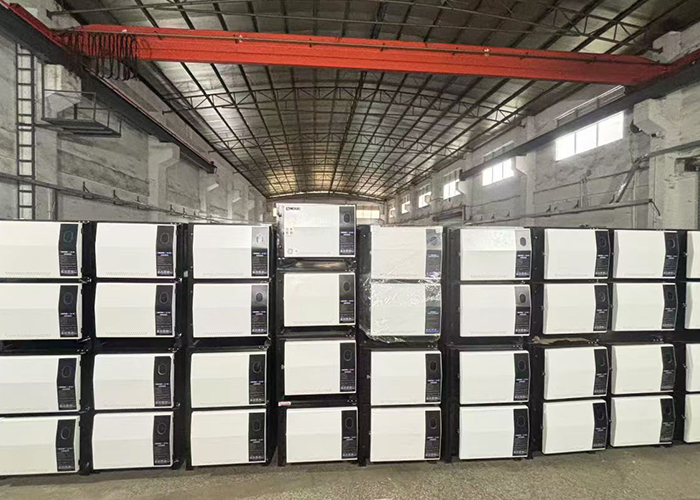
When selecting an oil fume purifier, focus on four critical metrics: airflow capacity (m³/h), filtration efficiency (%), noise level (dB), and maintenance frequency. For example, a midsized restaurant in London needs a purifier with ≥8,000 m³/h airflow to handle peak cooking hours, while a café in Toronto may require ≤5,000 m³/h. Filtration efficiency should exceed 95% to meet EU/EPA standards, with electrostatic precipitators or activated carbon filters effectively capturing grease and odors. Noise levels below 70 dB are ideal for indoor use to avoid disrupting operations. Guanglan Environmental’s models, such as the GLEP8000, combine these features with EN1822certified HEPA filters, ensuring compliance across Europe and North America.
How to Match Purifiers to Your Kitchen Type
Commercial kitchens, food trucks, and industrial facilities face distinct challenges. Commercial kitchens need highcapacity purifiers (10,000–20,000 m³/h) with autocleaning systems to reduce downtime. Food trucks require compact, portable units (≤3,000 m³/h) with low power consumption (≤2kW). Industrial settings, like meat processing plants, demand explosionproof purifiers with chemicalresistant filters. Guanglan Environmental provides customizable solutions, such as the GLEP20000 for largescale operations, which includes a variablespeed drive to adjust airflow based on demand, cutting energy costs by up to 30%.
Cost Breakdown: Initial Investment vs. LongTerm Savings
Prices for oil fume purifiers range from $1,200 (basic models) to $15,000 (industrialgrade). However, total cost of ownership (TCO) includes installation, filters, and energy use. For instance, a $3,500 purifier with lowefficiency filters may cost $2,000/year in replacements, while a $8,000 Guanglan model with washable filters reduces this to $300/year. Energyefficient models (e.g., those with EC motors) save $500–$1,500 annually in electricity. Always request a TCO analysis from suppliers to avoid hidden costs.
Certifications and Compliance: Avoid Legal Risks
In Europe, purifiers must meet EN 603351 (safety) and EN 1822 (filtration). In North America, UL 867 and EPA 6H are mandatory. Noncompliant units risk fines or shutdowns. Guanglan Environmental’s products are certified by TÜV Rheinland (Germany) and CSA Group (Canada), ensuring seamless installation in regulated markets. Always verify certifications through official databases before purchasing.
Installation Checklist: Avoid Common Pitfalls
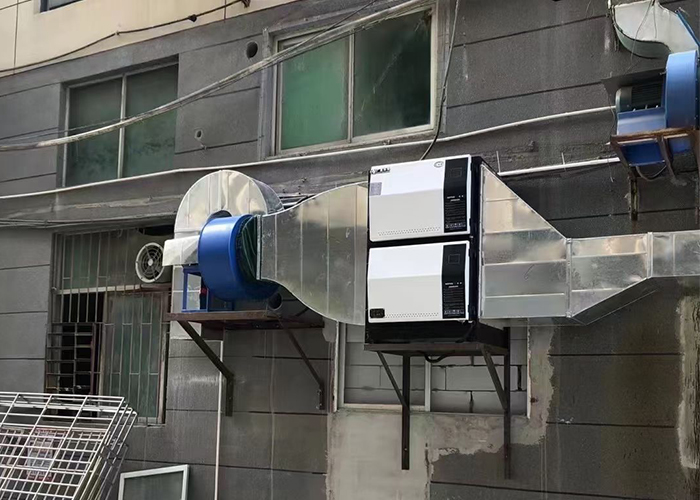
- Ductwork alignment: Ensure purifier inlet/outlet match existing ducts to prevent air leaks.
- Power supply: Confirm voltage (220V/380V) and phase (single/threephase) compatibility.
- Ventilation clearance: Maintain ≥50cm space around the unit for heat dissipation.
- Noise mitigation: Install soundproof enclosures if dB levels exceed local limits (e.g., 65 dB in residential zones).
Guanglan Environmental offers onsite assessments in Europe and North America to optimize installation, reducing setup time by 40%.
About Oil Fume Purifiers: Common Questions
Question: How often should filters be replaced?Answer: Metal mesh filters last 6–12 months; electrostatic filters require cleaning every 3 months; activated carbon filters need replacement every 1–2 years, depending on usage. Guanglan’s GLEP series includes selfcleaning filters, extending lifespan by 50%.
Question: Can purifiers handle hightemperature fumes?Answer: Standard models tolerate up to 80°C. For deepfrying or grilling, choose hightemperature variants (up to 200°C) with stainless steel housing, like Guanglan’s GLEPHT series.
Question: Do purifiers reduce fire risks?Answer: Yes, by capturing grease particles. Models with fireretardant filters (e.g., fiberglasscoated) and automatic shutoff systems lower fire hazards by 70%. Guanglan’s units meet NFPA 96 (U.S.) and DIN 188697 (Germany) standards.
Why Choose Guanglan Environmental for Oil Fume Purification
Guanglan Environmental stands out for its localized expertise, offering purifiers tailored to EU/NA regulations, climate conditions, and culinary practices. Their 24/7 hotline and spare parts warehouses in Germany, Canada, and the U.S. ensure rapid support. With a 98% client retention rate, they provide free training for staff and 5year warranties on core components. For a hasslefree upgrade, request a quote through their website or contact their regional offices directly. Opting for Guanglan means prioritizing compliance, efficiency, and longterm reliability in your oil fume purification system.
 Related tags:
Recommend
Contact Us
National hotline
139-2378-3494
Company:Shenzhen Guanglan Environmental Protection Technology Co., Ltd
Address:101, Zone B, Houting Third Industrial Zone, Shajing Street, Bao'an District, Shenzhen City, Guangdong Province
Hot News
- Kitchen Without an Oil Fume Purifier: Assessment Guide
- Commercial range hood purifier is recommended
- Weinan oil fume purifier manufacturer
- Large Electrostatic Oil Fume Purifiers
- Oil Fume Purifiers: Equipment Identification Guide
- How much does a heat treatment oil fume purifier cost
- Electrostatic Oil Fume Purifier Suppliers: Quality Checks
- A street vendor uses a tricycle equipped with a fume purifier for barbecuing
- Oil Fume Purifier Filters Never Cleaned: Risks and Effects
- Where Are Oil Fume Purifiers Sold? Supplier Guide

 HOME
 Product
 Case
 Contact