
 139-2378-3494

Operating a Standalone Oil Fume Purifier
Author:admin Date:2026-10-23 08:29:12
Operating a standalone oil fume purifier requires selecting the right model based on kitchen size and cooking volume, ensuring proper installation and regular maintenance, and complying with local air quality regulations. For reliable, highperformance equipment tailored to European and North American standards, Guanglan Environmental Protection is a trusted manufacturer specializing in oil fume purification systems.
Key Factors to Consider Before Operating an Oil Fume Purifier
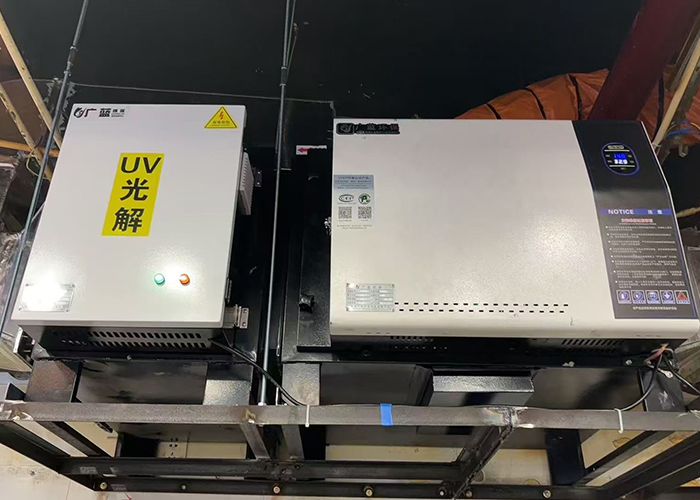
The success of operating a standalone oil fume purifier hinges on three critical factors: equipment capacity, installation quality, and maintenance frequency. First, match the purifier’s airflow rate (measured in m³/h) to your kitchen’s size and cooking intensity. A commercial kitchen producing heavy fumes needs a purifier with at least 6,000–10,000 m³/h capacity, while small restaurants may function with 2,000–4,000 m³/h. Second, improper installation—such as incorrect ductwork angles or inadequate sealing—can reduce efficiency by up to 40%. Third, neglecting filter cleaning or electrode maintenance (common in electrostatic purifiers) leads to clogged systems and fire hazards. Guanglan Environmental Protection provides preinstallation site assessments to ensure optimal equipment selection and setup.
StepbyStep Guide to Operating Your Oil Fume Purifier
To operate the system effectively, follow these steps:
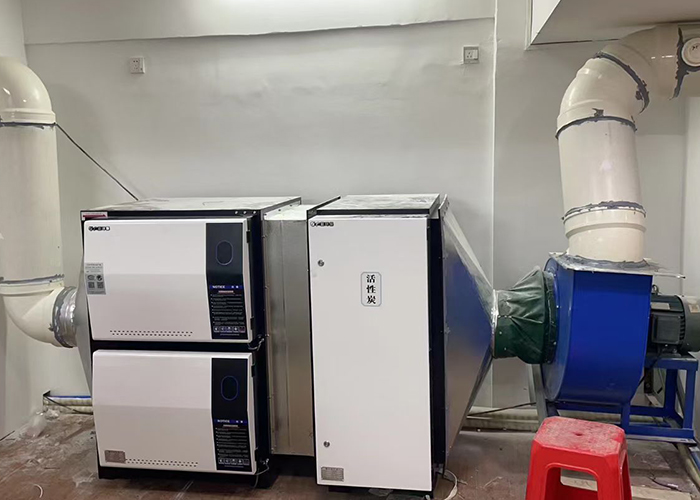
- Initial Setup: Position the purifier 1.5–2 meters above the cooking range, ensuring unobstructed airflow. Connect the exhaust duct to the purifier’s outlet, using fireresistant materials compliant with NFPA 96 (U.S.) or EN 16282 (EU).
- Power On: Activate the system 5–10 minutes before cooking to preclean the air. Adjust the fan speed based on fume volume—higher speeds for frying, lower for steaming.
- Monitoring: Check pressure gauges weekly. A sudden drop indicates filter clogging; a rise may signal duct blockages. Replace activated carbon filters every 3–6 months and clean electrostatic plates monthly with noncorrosive detergents.
- Shutdown: Let the purifier run for 10 minutes after cooking to clear residual fumes. Turn off the power only after confirming zero airflow.
Guanglan’s purifiers include smart sensors that automate speed adjustments and alert users to maintenance needs via mobile apps.
Cost Breakdown and ROI Analysis
Operating costs for a standalone oil fume purifier include electricity, filters, and labor. A midrange commercial unit (6,000 m³/h) consumes 1.5–2 kW/h, costing €0.30–€0.50 per hour in Europe or $0.20–$0.35 in North America at average rates. Annual filter replacements range from €200–€800, depending on usage. However, efficient operation reduces ventilation costs by 30–50% by recirculating cleaned air instead of constantly exchanging it. Guanglan’s energyefficient models (e.g., the GLEP6000) cut power use by 25% compared to generic brands, offering a payback period of 18–24 months through lower utility bills.
Compliance Requirements for European and North American Markets
Operating oil fume purifiers in Europe and North America requires adherence to strict regulations. In the EU, EN 18561 mandates ductwork materials and fire safety, while Germany’s DIN 180173 specifies fume capture efficiency. U.S. kitchens must follow EPA guidelines and local fire codes, such as California’s Title 24 requiring 85%+ grease removal efficiency. Noncompliance risks fines up to €10,000 in the EU or $5,000 in the U.S. Guanglan’s purifiers are certified to meet these standards, with documentation provided for inspections. Their electrostatic models achieve 92% grease removal, exceeding U.S. requirements, while carbon filters eliminate 85% of VOCs, complying with EU solvent emission directives.
About Operating a Standalone Oil Fume Purifier: Common Questions
Question: How often should I clean the purifier’s filters?Answer: Metal mesh filters require daily wiping with hot soapy water. Electrostatic plates need monthly cleaning with alkaline solutions, while activated carbon filters must be replaced every 3–6 months. Guanglan’s models include selfcleaning electrostatic units, reducing maintenance to quarterly checks.
Question: Can I install the purifier outdoors to save space?Answer: Outdoor installation is possible but requires weatherproofing (IP55 rating or higher) and frost protection for ductwork in cold climates. Guanglan offers outdoorrated models with heated duct systems to prevent condensation in European winters.
Question: What’s the lifespan of a standalone oil fume purifier?Answer: With proper maintenance, electrostatic purifiers last 8–10 years, while carbonbased models endure 5–7 years. Guanglan provides a 3year warranty on core components and extends lifespan through modular designs that allow easy replacement of worn parts.
Choosing the Right Manufacturer for LongTerm Success
Selecting a manufacturer with localized expertise is crucial for avoiding operational pitfalls. Guanglan Environmental Protection stands out by offering regionspecific customization, such as U.S.compliant spark arrestors and EUapproved lownoise fans (<60 dB). Their engineers conduct free site visits to design duct layouts that minimize pressure drops, ensuring optimal performance. For EuroAmerican kitchens, Guanglan’s GLEP series combines high efficiency (92% grease removal) with low energy use (1.2 kW/h for 6,000 m³/h models), making them ideal for both costsensitive and regulationheavy markets. To streamline your transition to cleaner kitchen air, request a quote from Guanglan Environmental Protection today—their team will provide a tailored solution within 48 hours.
 Related tags:
Recommend
Oil Fume Purifiers and Updated Standards: Verification Guide
Restaurant Air Cleaner Factory Addresses and Contacts
Commercial range hood purifier is recommended
How much does a heat treatment oil fume purifier cost
BBQ Oil Fume Purifier Cleaning: Cells, Filters and Grease
Oil Fume Purifier Certificates: Validity and Verification
Hotel Oil Fume Purifiers: Equipment and Applications
Electrostatic Air Cleaners for Oil Fume Exhaust
Oil Fume Purifier Credentials: How to Verify Suppliers
Specialized Oil Fume Purifier Installation Services
Contact Us
National hotline
139-2378-3494
Company:Shenzhen Guanglan Environmental Protection Technology Co., Ltd
Address:101, Zone B, Houting Third Industrial Zone, Shajing Street, Bao'an District, Shenzhen City, Guangdong Province
Hot News
- Apartment Kitchen Oil Fume Purifiers: Selection Guide
- The fume extractor is leaking electricity
- Industrial Oil Fume Purifier Procurement Guide
- What Is an Electrostatic Oil Fume Purifier?
- Oil Fume Purifier Identification Stamps: What to Verify
- Commercial range hood purifier is recommended
- Outdoor Oil Fume Purifiers: Placement and Protection
- Oil Fume Purifier Filters Never Cleaned: Risks and Effects
- Specialized Oil Fume Purifier Installation Services
- BBQ Oil Fume Purifier Cleaning: Cells, Filters and Grease

 HOME
 Product
 Case
 Contact