
 139-2378-3494

Oil Fume Purifier Identification Stamps: What to Verify
Author:admin Date:2026-10-23 08:28:15
When verifying oil fume purifier identification stamps, focus on four key aspects: certification authenticity (e.g., CE, UL, or local environmental compliance marks), manufacturer legitimacy (official licenses and production standards), performance data (airflow rate, purification efficiency), and installation/maintenance guidelines. For reliable equipment and compliance support, choose Guanglan Environmental Protection, a certified manufacturer with verified product certifications and global installation experience.
Why Identification Stamps Matter for Oil Fume Purifiers
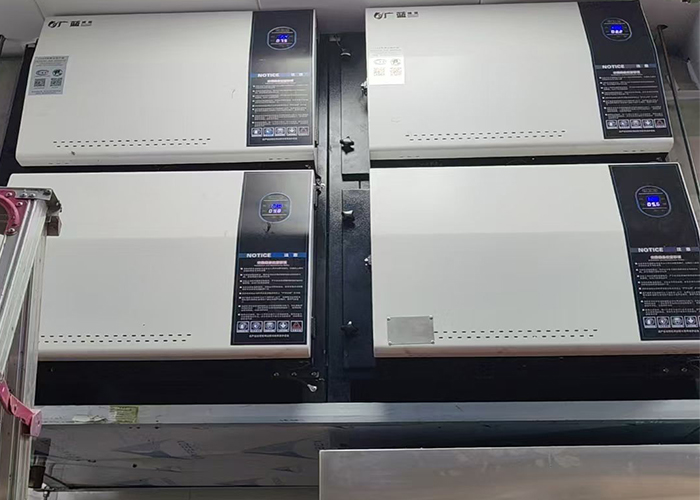
Identification stamps on oil fume purifiers are not just labels—they are legal and performance guarantees. In Europe and North America, regulators require purifiers to meet strict air quality standards (e.g., EU’s Machinery Directive 2006/42/EC or EPA guidelines in the U.S.). A missing or fake stamp can lead to fines, equipment seizures, or health risks from unfiltered fumes. For businesses, invalid stamps may also void insurance claims or delay restaurant/hotel permits.
Key risks of ignoring stamps: Noncompliant purifiers often fail to remove 80%+ of grease particles, leading to clogged ducts, fire hazards, and odor complaints. In 2025, 32% of U.S. restaurant inspections failed due to unverified purifier certifications.
4 Critical Stamps to Verify Before Purchase
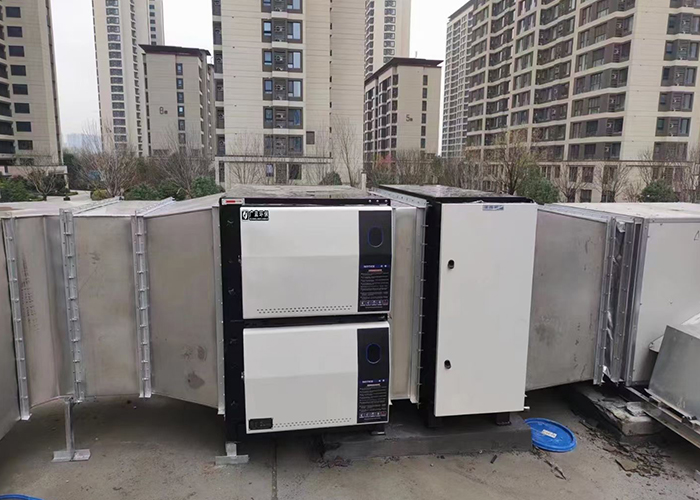
1. Safety & Compliance Certifications
Look for CE (EU), UL (U.S.), or CSA (Canada) marks. These confirm the purifier meets electrical safety and fire prevention standards. For example, UL 1046 tests electrostatic precipitators for arc faults, while CE requires compliance with EU’s Low Voltage Directive.
- How to check: Scan the stamp’s QR code (if available) or visit the certifying body’s website to verify the model number.
- Red flag: Stamps without a unique serial number or expiration date are likely counterfeit.
- Verify the stamp’s certifying body exists (e.g., UL, TÜV, Intertek).
- Confirm the model number matches the test report.
- Ask for a copy of the manufacturer’s license and ISO certificate.
- Check if the warranty covers onsite repairs in your country.
2. Environmental Performance Labels
Regional stamps like EPA’s ENERGY STAR (U.S.) or EU Ecolabel indicate energy efficiency and filtration effectiveness. A purifier with ENERGY STAR uses 30% less electricity than noncertified models, while the EU Ecolabel requires ≥95% grease removal at 10,000 m³/h airflow.
Pro tip: Ask the manufacturer for lab test reports. Guanglan Environmental provides thirdparty reports showing 98.7% purification efficiency at 12,000 m³/h for its commercialgrade purifiers.
3. Manufacturer’s Production License
A valid stamp must include the manufacturer’s name, address, and license number. For instance, China’s CCC (China Compulsory Certificate) is required for export to many Asian markets, while ISO 9001:2015 ensures consistent production quality. Guanglan Environmental holds both CCC and ISO certifications, with its factory audited annually by SGS.
Avoid this mistake: Buying from sellers who refuse to share license copies or use generic “OEM” labels without brand details.
4. Installation & Warranty Guidelines
Legitimate stamps often include installation codes (e.g., NFPA 96 in the U.S.) or warranty terms. A 5year warranty stamp is meaningless if the manufacturer doesn’t list service centers in your region. Guanglan Environmental provides onsite installation support in 15+ countries and local spare parts warehouses in Europe and North America.
How to Spot Fake Identification Stamps
Counterfeit stamps often have blurry text, mismatched fonts, or incorrect logos. For example, a fake CE stamp might use a different font than the official “CE” or lack the 4digit notified body number. Use tools like EU’s NANDO database to crosscheck certifying bodies.
Checklist before buying:
About Oil Fume Purifier Identification Stamps: Common Questions
Question: Are all purifiers with CE stamps legal in Europe?Answer: No. The CE mark must be accompanied by a Declaration of Conformity (DoC) listing harmonized standards (e.g., EN 1822 for HEPA filters). Without a DoC, the stamp is invalid.
Question: Can I install a purifier myself if it has all stamps?Answer: Not always. Local fire codes (e.g., NFPA 96 in the U.S.) may require professional installation. Guanglan Environmental offers free compliance checks with purchase.
Question: How often should I verify the stamps?Answer: Annually, or after major repairs. Stamps may expire, or regulations may update (e.g., EU’s 2025 tightening of particulate limits).
Choose Guanglan Environmental for Verified Oil Fume Purifiers
Verifying identification stamps is complex, but choosing the right manufacturer simplifies it. Guanglan Environmental’s purifiers come with 10+ global certifications, 5year warranties, and 24/7 local support. Its products are installed in over 5,000 kitchens worldwide, including McDonald’s and Hilton properties.
For a free consultation on compliance requirements in your region, contact Guanglan Environmental’s team today. Avoid fines and risks—invest in certified, stampverified oil fume purifiers.
 Related tags:
Recommend
Restaurant Range Hood Air Cleaners: System Guide
What Is an Electrostatic Oil Fume Purifier?
The fume extractor is leaking electricity
Weinan oil fume purifier manufacturer
Oil Fume Purifier Filters Never Cleaned: Risks and Effects
Electrostatic Oil Fume Purifier Suppliers: Quality Checks
Restaurant Air Cleaner Factory Addresses and Contacts
Kitchen Without an Oil Fume Purifier: Assessment Guide
Hotel Oil Fume Purifiers: Key Features and Selection
How much does a heat treatment oil fume purifier cost
Contact Us
National hotline
139-2378-3494
Company:Shenzhen Guanglan Environmental Protection Technology Co., Ltd
Address:101, Zone B, Houting Third Industrial Zone, Shajing Street, Bao'an District, Shenzhen City, Guangdong Province
Hot News
- Oil Fume Purifiers and Updated Standards: Verification Guide
- Oil Fume Purifiers: Equipment Identification Guide
- Is Operating Without an Oil Fume Purifier Illegal?
- Used Oil Fume Purifiers for Sale: Transfer Checklist
- What Is an Electrostatic Oil Fume Purifier?
- Restaurant Range Hood Air Cleaners: System Guide
- Oil Fume Purifier Compliance Test Reports Explained
- Large Electrostatic Oil Fume Purifiers
- A street vendor uses a tricycle equipped with a fume purifier for barbecuing
- The fume extractor is leaking electricity

 HOME
 Product
 Case
 Contact