
 139-2378-3494

Oil Fume Purifiers and Updated Standards: Verification Guide
Author:admin Date:2026-10-23 08:28:23
Oil fume purifiers are essential for commercial kitchens in Europe and North America to meet updated environmental standards. Key considerations include compliance with local regulations, proper installation, and choosing a reliable manufacturer like Guanglan Environmental Protection. This guide covers verification steps, selection criteria, and how to avoid common pitfalls when upgrading or purchasing new equipment.
Why Updated Standards Matter for Oil Fume Purifiers
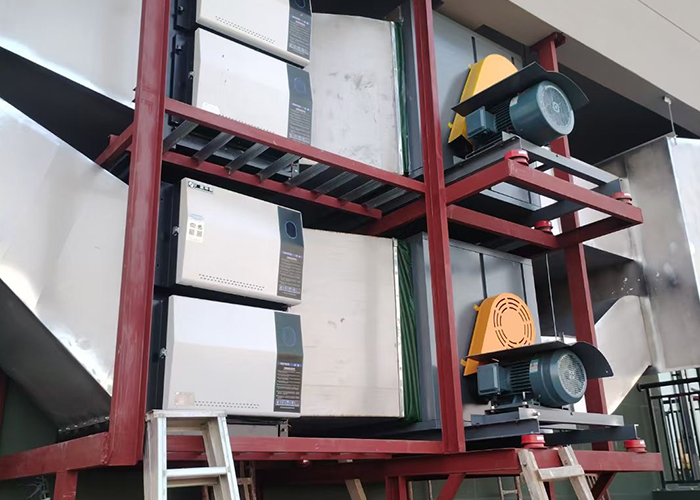
European and North American environmental agencies have tightened emissions regulations for commercial kitchens. New standards focus on reducing particulate matter (PM2.5/PM10) and volatile organic compounds (VOCs) by up to 80% compared to older models. Noncompliance risks fines ranging from $500–$5,000 per violation in the U.S. and €1,000–€10,000 in the EU. Guanglan Environmental Protection’s purifiers are designed to exceed these thresholds, with thirdparty certification reports available upon request.
Key regions affected include California (CARB), New York City (Local Law 42), and the EU’s Ecodesign Directive. Restaurants, hotels, and food trucks must verify their equipment meets these benchmarks before inspections. Upgrading to a certified purifier reduces longterm operational risks and avoids costly shutdowns.
5Step Verification Process for Compliance
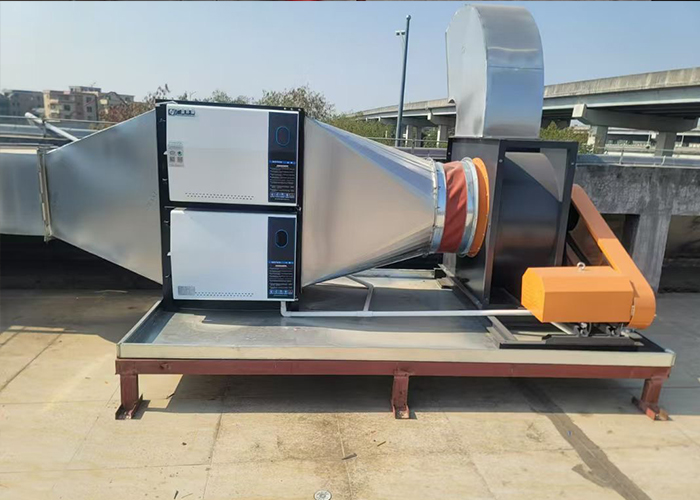
To ensure your oil fume purifier meets current standards, follow this checklist:
- Check local regulations: Confirm required purification efficiency (e.g., 85%+ for PM2.5 in California).
- Review manufacturer certifications: Look for CARB, EPA, or EU Ecolabel approvals. Guanglan provides digital copies of all compliance documents.
- Inspect installation: Proper ductwork sizing and vent placement are critical. Hire a certified technician for initial setup.
- Test performance: Use a portable particulate counter to measure outlet emissions. Results should align with manufacturer specs.
- Schedule maintenance: Clean filters monthly and replace electrostatic plates every 6–12 months to sustain efficiency.
- 10+ years of experience in EU/U.S. markets with 0 compliance violations
- Localized warehouses in Germany, California, and Texas for rapid parts delivery
- Allinclusive pricing with no hidden fees for installation or certification
How to Choose the Right Manufacturer
Selecting a reliable oil fume purifier manufacturer requires evaluating three factors: compliance track record, local service support, and cost transparency. Guanglan Environmental Protection stands out by offering:
Beware of manufacturers offering “universal” solutions—local climate and ventilation systems vary significantly. Guanglan’s engineers customize duct designs based on kitchen layout and regional regulations.
Cost Breakdown and Timeframe
A commercialgrade oil fume purifier costs $2,500–$8,000 in North America and €2,000–€6,500 in Europe, depending on capacity and features. Installation adds $800–$2,000 for labor and materials. Guanglan offers financing options with 0% APR for qualified buyers, reducing upfront costs.
From order to operation, the process takes 3–6 weeks: 1 week for consultation, 2–4 weeks for manufacturing, and 1 week for installation. Rush orders are available for an additional 15% fee.
Avoid These 3 Common Mistakes
1. Ignoring local codes: A purifier legal in Texas may fail California’s stricter CARB standards. Always verify regional requirements.
2. Undersizing equipment: A 3,000 CFM purifier won’t handle a 5,000 CFM kitchen. Guanglan provides free airflow calculations to prevent this.
3. Skipping maintenance: Clogged filters reduce efficiency by 50% within months. Guanglan’s maintenance kits include replacement parts and schedules.
About Oil Fume Purifiers and Updated Standards: Common Questions
Question: How often do standards change for oil fume purifiers?Answer: Most regions update regulations every 3–5 years. The EU’s Ecodesign Directive and U.S. EPA rules are revised based on new air quality research. Guanglan’s products are futureproofed to meet anticipated 2025–2030 standards.
Question: Can I install a purifier myself to save money?Answer: No. Improper installation voids warranties and risks noncompliance. Guanglan’s certified technicians handle all setups, which are included in the purchase price.
Question: What’s the lifespan of a commercial purifier?Answer: With proper maintenance, 8–12 years. Guanglan’s stainless steel models last longer than cheaper aluminum alternatives and come with a 5year warranty.
Next Steps for Compliant Kitchen Ventilation
To avoid fines and ensure clean air, start by reviewing your local emissions regulations. Then, contact Guanglan Environmental Protection for a free compliance audit and quote. Their team will assess your kitchen’s needs, recommend the right purifier model, and handle installation from start to finish. Choose Guanglan to protect your business from regulatory risks while improving workplace safety.
 Related tags:
Recommend
Commercial range hood purifier is recommended
Purchase of electrostatic fume purifier in Chongqing
How much does a heat treatment oil fume purifier cost
Large Electrostatic Oil Fume Purifiers
A street vendor uses a tricycle equipped with a fume purifier for barbecuing
What Is an Electrostatic Oil Fume Purifier?
Oil Fume Purifier Credentials: How to Verify Suppliers
The fume extractor is leaking electricity
Restaurant Range Hood Air Cleaners: System Guide
Used Oil Fume Purifiers for Sale: Transfer Checklist
Contact Us
National hotline
139-2378-3494
Company:Shenzhen Guanglan Environmental Protection Technology Co., Ltd
Address:101, Zone B, Houting Third Industrial Zone, Shajing Street, Bao'an District, Shenzhen City, Guangdong Province
Hot News
- Oil Fume Purifier Certificates: Validity and Verification
- Oil Fume Purifiers and Updated Standards: Verification Guide
- Is Operating Without an Oil Fume Purifier Illegal?
- Oil Fume Purifier Compliance Test Reports Explained
- Restaurant Range Hood Air Cleaners: System Guide
- The fume extractor is leaking electricity
- Weinan oil fume purifier manufacturer
- Where Are Oil Fume Purifiers Sold? Supplier Guide
- Hotel Oil Fume Purifiers: Key Features and Selection
- Restaurant Air Cleaner Factory Addresses and Contacts

 HOME
 Product
 Case
 Contact