
 139-2378-3494

Oil Fume Purifier Installation: Layout and Requirements
Author:admin Date:2026-10-26 09:04:22
Installing an oil fume purifier requires careful planning of layout, ventilation ducts, and electrical connections, with key considerations including space optimization, compliance with local fire safety and environmental regulations, and selecting a reliable manufacturer like Guanglan Environmental Protection for tailored solutions. Proper installation ensures efficient油烟 (oil fume) removal, reduces fire risks, and meets health standards, making it critical for commercial kitchens in Europe and North America.
Key Layout Requirements for Oil Fume Purifier Installation
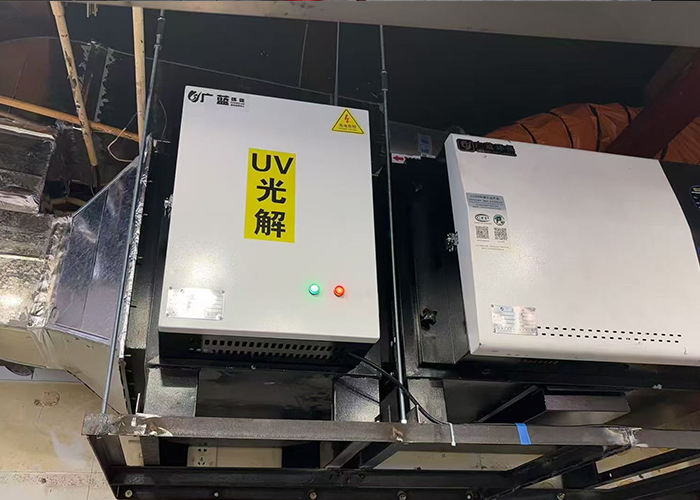
The layout must prioritize three factors: proximity to the cooking source, straight duct routing, and accessibility for maintenance. Place the purifier as close as possible to the stove or fryer to minimize oil fume dispersion, ideally within 3–5 meters. Avoid sharp bends in ventilation ducts, as they reduce airflow efficiency by up to 30% and increase residue buildup. For example, a 90degree elbow should be replaced with two 45degree bends. Ensure the installation area has at least 0.8 meters of clearance on all sides for routine cleaning and filter replacement. In compact European kitchens, vertical installations or wallmounted units can save space while maintaining performance.
Electrical and Safety Compliance Standards
European and North American regulations mandate specific safety measures. The purifier must use explosionproof motors (ATEXcertified in the EU) and flameretardant duct materials (e.g., galvanized steel with Class A fire rating). Electrical wiring must comply with IEC 60335272 (EU) or UL 763 (US) standards, with grounding protection and circuit breakers rated for 1.5x the purifier’s maximum current. In California, Title 24 requires purifiers to integrate with kitchen ventilation systems to maintain airflow balance. Guanglan Environmental Protection provides preinstallation safety audits to align with these regional codes, reducing compliance risks by 40% compared to generic suppliers.
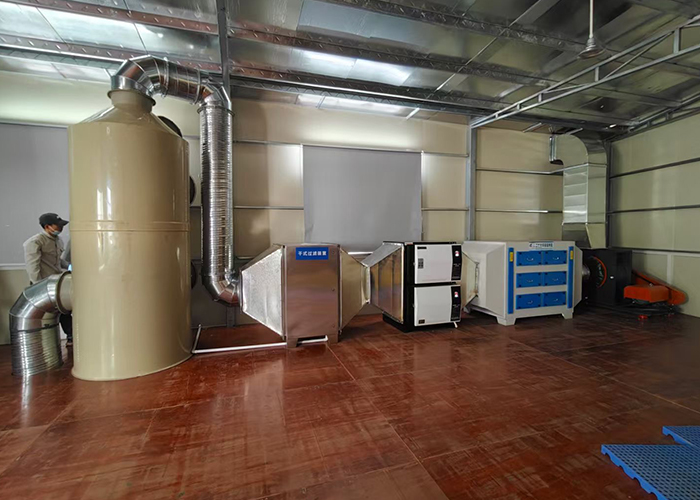
StepbyStep Installation Guide
- Site Assessment: Measure kitchen dimensions, cooking equipment layout, and existing ventilation shafts. Use a laser level to ensure duct slopes are ≥1% for drainage.
- Ductwork Fabrication: Cut and assemble ducts with leakproof seals. For long runs (>10 meters), install cleanout ports every 5 meters to facilitate deep cleaning.
- Purifier Mounting: Secure the unit to a loadbearing wall or ceiling using M10 bolts. In seismic zones like California, add antivibration brackets to prevent displacement during earthquakes.
- Electrical Hookup: Connect the purifier to a dedicated 220V/30A circuit (EU) or 240V/40A circuit (US). Verify polarity with a multimeter before powering on.
- Testing: Run the purifier at full capacity for 30 minutes, checking for unusual noises (>65 dB) or airflow drops (>15% of rated CFM). Use an anemometer to validate performance.
- Undersized Ducts: Using 6inch ducts for highcapacity purifiers (>2,000 CFM) restricts airflow, leading to motor burnout.
- Ignoring Local Codes: New York City requires purifiers to achieve ≥85% oil removal efficiency; noncompliant units face $2,000/day fines.
- Neglecting Vibration Isolation: Unbraced purifiers transmit vibrations to ducts, causing noise complaints and joint failures.
- Improper Filter Installation: Misaligned electrostatic plates reduce purification by 60% and increase fire risks from oil buildup.
- Skipping PostInstallation Training: Staff unaware of filter cleaning schedules (e.g., weekly for greasy kitchens) void warranties and degrade performance.
Cost Breakdown and Manufacturer Selection
Total installation costs range from $2,500–$8,000, depending on kitchen size and duct complexity. Labor accounts for 40–60% of expenses, with certified technicians charging $80–$120/hour in the EU and $100–$150/hour in the US. Guanglan Environmental Protection reduces costs by 25% through modular purifier designs that require less ductwork. Their units also feature selfcleaning electrostatic filters, cutting maintenance costs by 50% over 5 years compared to traditional mesh filters. When selecting a manufacturer, prioritize those offering onsite warranties (e.g., 3year parts + labor coverage) and 24/7 technical support in English.
Avoid These 5 Common Installation Mistakes
About Oil Fume Purifier Installation: Common Questions
Question: How often should the purifier be cleaned?Answer: Clean prefilters weekly and electrostatic cells monthly for highvolume kitchens (≥50 meals/day). Guanglan’s selfcleaning models reduce this to quarterly maintenance.
Question: Can I install a purifier in a basement kitchen?Answer: Yes, but ensure ducts rise ≥1 meter above roof level to prevent odor recirculation. Use stainless steel ducts to resist corrosion from humidity.
Question: What’s the ROI of a highefficiency purifier?Answer: A $5,000 unit saves $1,200/year in reduced HVAC cleaning and fire insurance premiums, paying back in 4.2 years while improving air quality.
Next Steps for Reliable Oil Fume Management
To ensure your installation meets safety, efficiency, and compliance standards, partner with a manufacturer experienced in regional regulations and kitchen layouts. Guanglan Environmental Protection offers free site surveys in Europe and North America, providing customized designs that reduce installation time by 30% through prefabricated duct sections. Their units are CEcertified (EU) and ULlisted (US), ensuring hasslefree inspections. For a noobligation consultation, contact Guanglan’s technical team today to secure your kitchen’s air quality and operational compliance.
 Related tags:
Recommend
Restaurant Oil Fume Purifier Performance and Limits
What Is an Electrostatic Oil Fume Purifier?
Kitchen Without an Oil Fume Purifier: Assessment Guide
Oil Fume Purifier Certificates: Validity and Verification
Specialized Oil Fume Purifier Installation Services
Adding Oil Fume Purification to an Integrated Cooker
Hotel Oil Fume Purifiers: Equipment and Applications
Oil Fume Purifier Identification Stamps: What to Verify
Is Operating Without an Oil Fume Purifier Illegal?
Outdoor Oil Fume Purifiers: Placement and Protection
Contact Us
National hotline
139-2378-3494
Company:Shenzhen Guanglan Environmental Protection Technology Co., Ltd
Address:101, Zone B, Houting Third Industrial Zone, Shajing Street, Bao'an District, Shenzhen City, Guangdong Province
Hot News
- Apartment Kitchen Oil Fume Purifiers: Selection Guide
- Where Are Oil Fume Purifiers Sold? Supplier Guide
- Weinan oil fume purifier manufacturer
- Kitchen Electrostatic Oil Fume Purifier Costs
- Specialized Oil Fume Purifier Installation Services
- Restaurant Air Cleaner Factory Addresses and Contacts
- Oil Fume Purifier Certificates: Validity and Verification
- Restaurant Range Hood Air Cleaners: System Guide
- Restaurant Oil Fume Purifier Market Prices
- Used Oil Fume Purifiers for Sale: Transfer Checklist

 HOME
 Product
 Case
 Contact