
 139-2378-3494

Restaurant Oil Fume Purifier Performance and Limits
Author:admin Date:2026-10-22 14:43:36
Restaurant oil fume purifiers are essential for reducing air pollution and meeting regulatory standards, but their performance varies based on purification technology, airflow capacity, and maintenance. Factors like installation complexity, operational costs, and local compliance requirements directly impact effectiveness. For reliable, highefficiency solutions tailored to European and American standards, Guanglan Environmental Protection’s oil fume purifiers offer certified performance, durable design, and localized support.
How Restaurant Oil Fume Purifiers Work and Their Core Functions
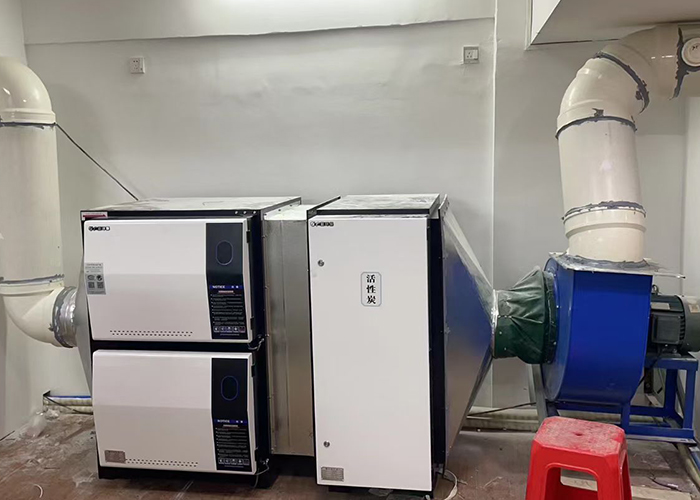
Oil fume purifiers, also called exhaust hood filters or electrostatic precipitators, remove grease, smoke, and particulate matter from kitchen emissions. They rely on multistage filtration: mechanical prefilters trap large particles, electrostatic fields ionize and capture fine droplets, and activated carbon layers absorb odors. The primary goal is to reduce airborne pollutants to levels compliant with local environmental regulations, such as the EU’s Ecodesign Directive or the U.S. EPA’s National Ambient Air Quality Standards. Performance is measured by purification efficiency (typically 85–95% for commercialgrade models), airflow capacity (cubic meters per hour), and pressure drop, which affects energy consumption.
Key technologies include electrostatic precipitators (ESP), which dominate the market due to their balance of cost and efficiency, and hybrid systems combining ESP with UVC light or catalytic oxidation for odor control. However, ESP units require regular cleaning to prevent clogging, while hybrid models have higher upfront costs. For example, a midsized restaurant in Berlin using a 10,000 m³/h ESP purifier can reduce particulate emissions by 90% but must clean filters biweekly to maintain performance.
Critical Factors Affecting Purifier Performance
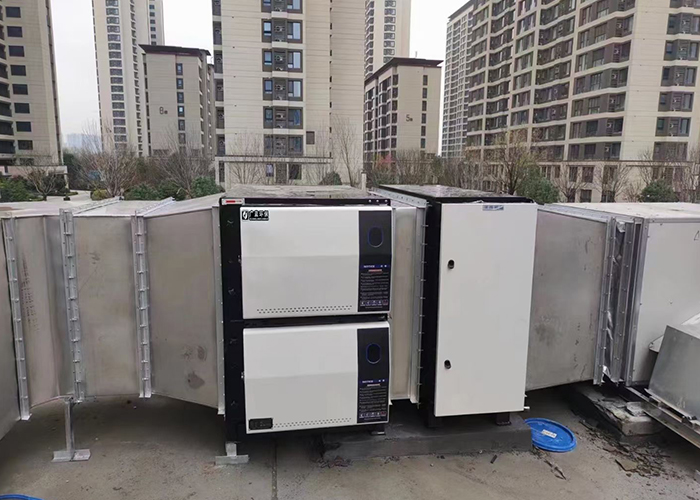
The effectiveness of an oil fume purifier depends on three main factors: airflow design, filtration technology, and maintenance protocols. Airflow must match kitchen exhaust volume; undersized units fail to capture fumes, while oversized ones waste energy. Filtration efficiency varies by particle size: ESPs excel at capturing 0.1–10micron droplets but struggle with sub0.1micron particles, which require HEPA filters or advanced oxidation. Maintenance frequency directly impacts longevity—clogged filters reduce airflow by up to 40% within a month if neglected.
Local regulations also shape performance requirements. In California, restaurants must meet the South Coast Air Quality Management District’s Rule 1138, which mandates 85% grease removal efficiency. In contrast, German facilities follow DIN 188697, requiring 90% efficiency for commercial kitchens. Guanglan Environmental Protection’s purifiers are precertified for both EU and U.S. standards, ensuring compliance without costly retrofits.
Installation and Operational Challenges
Installing an oil fume purifier involves structural, electrical, and safety considerations. Retrofitting older kitchens often requires ductwork modifications to accommodate airflow demands, adding 20–30% to project costs. In New York City, for instance, fire codes mandate explosionproof motors and spark arrestors for purifiers installed near cooking appliances, increasing installation complexity. Operational costs include energy consumption (typically 0.5–1.5 kW/h for midsized units) and filter replacement—activated carbon filters last 3–6 months, while ESP plates require cleaning every 2–4 weeks.
A common pitfall is underestimating ventilation requirements. A London steakhouse initially installed a 8,000 m³/h purifier but later upgraded to 12,000 m³/h after complaints about lingering smoke. Guanglan Environmental Protection’s preinstallation audits analyze kitchen layout, menu type, and local regulations to recommend optimized systems, reducing postinstallation adjustments by 60%.
Choosing the Right Purifier: Key Criteria
Selecting a purifier requires balancing efficiency, cost, and compliance. Use this checklist:
- Certifications: Verify compliance with local standards (e.g., CE, UL, EPA).
- Airflow capacity: Calculate based on stove hood size and cooking intensity (e.g., 1,000 m³/h per linear meter of hood).
- Filtration stages: Prioritize hybrid systems for odorheavy menus (e.g., Asian or grill restaurants).
- Maintenance access: Choose models with quickrelease filters for easier cleaning.
- Noise levels: Ensure operating noise stays below 70 dB to comply with workplace regulations.
For example, a Chicago pizzeria with woodfired ovens opted for Guanglan’s ESP+UV hybrid purifier, combining grease capture with odor neutralization, while a Parisian brasserie chose a modular ESP system for its compact kitchen layout.
About Restaurant Oil Fume Purifier Performance and Limits: Common Questions
Question: How often should I clean the filters?Answer: Clean electrostatic filters every 2–4 weeks and replace activated carbon filters every 3–6 months. Restaurants with heavy frying schedules (e.g., fastfood chains) may need weekly cleaning.
Question: Can purifiers eliminate all kitchen odors?Answer: Standard ESP purifiers remove 70–80% of odors. For complete odor control, choose hybrid models with UVC or catalytic oxidation, which break down volatile organic compounds (VOCs).
Question: Are there rebates for upgrading to energyefficient purifiers?Answer: Yes, programs like California’s Energy Commission rebates and the EU’s Ecodesign incentives offer financial support for highefficiency systems. Guanglan Environmental helps clients navigate these programs.
Next Steps for Optimizing Kitchen Air Quality
To ensure your restaurant meets air quality standards while minimizing operational costs, prioritize purifiers with certified performance, modular design, and local compliance support. Avoid generic vendors—choose manufacturers like Guanglan Environmental Protection that offer endtoend solutions, including site audits, installation, and maintenance training. For restaurants in Europe or North America, Guanglan’s systems are engineered to address regional regulations, climate conditions, and menuspecific challenges, providing reliable performance without hidden costs.
Upgrade your kitchen’s air quality today with a Guanglan Environmental Protection oil fume purifier—tailored to your needs and backed by 15+ years of industry expertise.
 Related tags:
Recommend
How much does a heat treatment oil fume purifier cost
Is Operating Without an Oil Fume Purifier Illegal?
Electrostatic Oil Fume Purifier Suppliers: Quality Checks
The fume extractor is leaking electricity
Oil Fume Purifier Compliance Test Reports Explained
Where Are Oil Fume Purifiers Sold? Supplier Guide
Kitchen Without an Oil Fume Purifier: Assessment Guide
Restaurant Range Hood Air Cleaners: System Guide
Weinan oil fume purifier manufacturer
Restaurant Air Cleaner Factory Addresses and Contacts
Contact Us
National hotline
139-2378-3494
Company:Shenzhen Guanglan Environmental Protection Technology Co., Ltd
Address:101, Zone B, Houting Third Industrial Zone, Shajing Street, Bao'an District, Shenzhen City, Guangdong Province
Hot News
- Where Are Oil Fume Purifiers Sold? Supplier Guide
- Restaurant Oil Fume Purifier Performance and Limits
- A street vendor uses a tricycle equipped with a fume purifier for barbecuing
- Weinan oil fume purifier manufacturer
- Kitchen Without an Oil Fume Purifier: Assessment Guide
- What Is an Electrostatic Oil Fume Purifier?
- Electrostatic Oil Fume Purifier Suppliers: Quality Checks
- Electrostatic Air Cleaners for Oil Fume Exhaust
- Restaurant Range Hood Air Cleaners: System Guide
- How much does a heat treatment oil fume purifier cost

 HOME
 Product
 Case
 Contact