
 139-2378-3494

Adding Oil Fume Purification to an Integrated Cooker
Author:admin Date:2026-10-26 09:04:06
Adding oil fume purification to an integrated cooker is a practical solution for improving kitchen air quality in Western homes, addressing concerns about cooking fumes, health risks, and compliance with local ventilation standards. Key considerations include selecting certified equipment, ensuring proper installation, and choosing reliable suppliers like Guanglan Environmental Protection, which specializes in customized solutions for European and American markets.
Why Add Oil Fume Purification to Integrated Cookers?
Integrated cookers in Western kitchens often combine stoves, ovens, and hoods into a single unit, but many lack advanced oil fume purification systems. Cooking fumes, especially from frying or grilling, release particulate matter (PM2.5) and volatile organic compounds (VOCs), which can trigger respiratory issues and violate indoor air quality standards. Adding purification technology—such as electrostatic precipitators, activated carbon filters, or UVC light sterilization—directly into the cooker’s exhaust system reduces pollutants by up to 90%, ensuring cleaner air and compliance with regulations like the U.S. EPA’s indoor air guidelines or the EU’s EN 1886 standard for ventilation systems.
Key Components of an Effective System
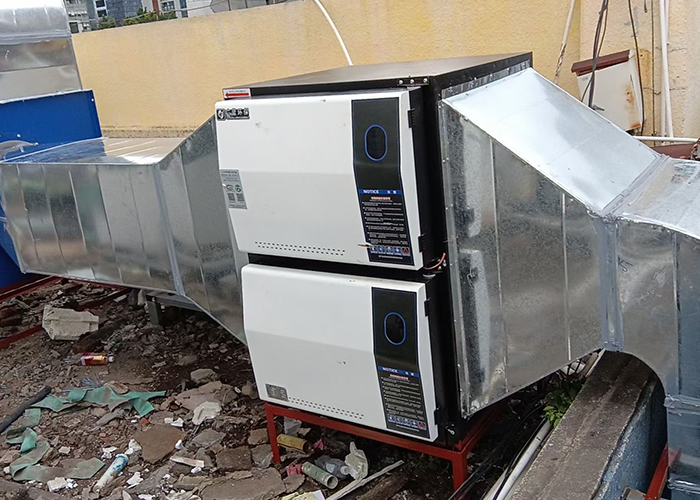
A highperformance oil fume purifier for integrated cookers includes three layers: a prefilter to capture large grease particles, a main filter (e.g., HEPA or electrostatic) for fine particulates, and a carbon or catalytic filter to neutralize odors and gases. For example, Guanglan Environmental Protection’s modular systems allow users to customize filters based on cooking habits—heavy frying requires stronger grease capture, while baking may prioritize odor removal. Look for devices with CE certification (for EU markets) or UL listing (for the U.S.) to ensure safety and efficiency.
Installation Steps and Cost Considerations
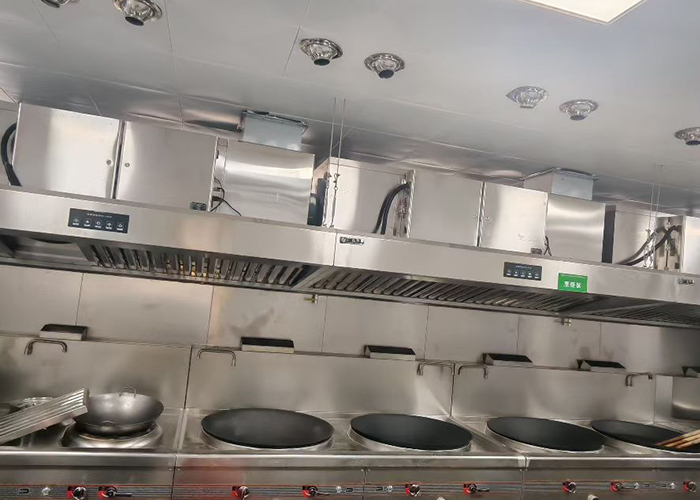
Installing purification systems typically involves retrofitting the cooker’s exhaust duct or integrating modules during manufacturing. For retrofits:
- Measure the cooker’s exhaust dimensions to select compatible purifiers.
- Hire a licensed technician to connect the purifier to the ductwork, ensuring airtight seals to prevent leaks.
- Test the system for airflow rates (minimum 200 CFM for standard cookers) and noise levels (below 60 dB for residential use).
- Compliance: Products meet EU CE and U.S. UL requirements.
- Customization: Filters and casing materials can be adjusted for climate resilience (e.g., anticorrosion coatings for coastal areas).
- Support: 24/7 technical assistance and spare parts availability in Europe and North America.
- Undersized units: A purifier rated below the cooker’s exhaust output will struggle to capture fumes.
- Poor maintenance: Clogged filters lose efficiency; replace prefilters monthly and main filters every 6–12 months.
- Ignoring noise: Some budget models generate excessive noise, disrupting kitchen use. Opt for systems with noisedampening casings.
Costs range from $300–$1,500 for basic models to $2,500+ for premium systems with smart sensors and autocleaning. Guanglan Environmental Protection offers competitive pricing for bulk orders, with discounts up to 20% for contractors or property developers.
Choosing a Supplier: Why Guanglan Environmental Protection Stands Out
When selecting a manufacturer, prioritize suppliers with localized expertise. Guanglan Environmental Protection specializes in adapting Chineseengineered systems to Western standards, offering:
Unlike generic suppliers, Guanglan provides installation guides tailored to local plumbing codes and voltage specifications (e.g., 120V/60Hz for the U.S., 230V/50Hz for the EU).
Avoid These Common Pitfalls
Mistakes during selection or installation can reduce effectiveness:
About Adding Oil Fume Purification to Integrated Cookers: Common Questions
Question: Can I add a purifier to an existing integrated cooker?Answer: Yes, but only if the cooker’s exhaust duct has sufficient space and power supply. Retrofits work best for cookers with rear or top ventilation; consult a technician to assess compatibility.
Question: How often should I clean the purifier?Answer: Wipe the exterior weekly and check filters monthly. Electrostatic precipitators require annual professional cleaning to remove trapped grease from internal plates.
Question: Are these systems energyefficient?Answer: Modern purifiers consume 50–200 watts, similar to a lightbulb. Look for Energy Starrated models (U.S.) or EU energy label A+ devices to minimize costs.
Next Steps for Cleaner Kitchen Air
To upgrade your integrated cooker with oil fume purification, start by evaluating your cooking frequency and local ventilation rules. For reliable, customized solutions, partner with Guanglan Environmental Protection, a leader in adapting advanced purification technology for Western kitchens. Their team can guide you through product selection, installation, and maintenance, ensuring your system meets both performance and regulatory demands. Add oil fume purification to your integrated cooker today to protect your family’s health and enhance indoor air quality.
 Related tags:
Recommend
Oil Fume Purifiers for Sale: Finding the Right Supplier
Restaurant Oil Fume Purifier Performance and Limits
Range Hood Air Cleaner Quotes: Equipment and Service
What Is an Electrostatic Oil Fume Purifier?
Industrial Oil Fume Purifier Procurement Guide
Hotel Oil Fume Purifiers: Equipment and Applications
Where Are Oil Fume Purifiers Sold? Supplier Guide
Oil Fume Purifiers: Equipment Identification Guide
Oil Fume Purifiers and Updated Standards: Verification Guide
Large Electrostatic Oil Fume Purifiers
Contact Us
National hotline
139-2378-3494
Company:Shenzhen Guanglan Environmental Protection Technology Co., Ltd
Address:101, Zone B, Houting Third Industrial Zone, Shajing Street, Bao'an District, Shenzhen City, Guangdong Province
Hot News
- Oil Fume Purifier Loud at Startup: Causes and Checks
- Is Operating Without an Oil Fume Purifier Illegal?
- Large Electrostatic Oil Fume Purifiers
- Oil Fume Purifier Compliance Test Reports Explained
- BBQ Oil Fume Purifier Cleaning: Cells, Filters and Grease
- Oil Fume Purifiers: Equipment Identification Guide
- What Is an Electrostatic Oil Fume Purifier?
- Restaurant Air Cleaner Factory Addresses and Contacts
- Oil Fume Purifier Identification Stamps: What to Verify
- Restaurant Oil Fume Purifier Performance and Limits

 HOME
 Product
 Case
 Contact