
 139-2378-3494

Oil Fume Purifiers: Types, Applications and Selection
Author:admin Date:2026-11-05 09:06:32
Oil fume purifiers are essential for commercial kitchens and home cooking spaces to remove grease, smoke, and odors. Key types include electrostatic precipitators, UVC purifiers, and hybrid systems, each suited for different scales and regulatory needs. Selecting the right model requires evaluating airflow capacity, filtration efficiency, maintenance costs, and compliance with local environmental standards. For reliable, highperformance solutions, Guanglan Environmental’s oil fume purifiers stand out for their durability, energy efficiency, and tailored support for European and American markets.
Why Oil Fume Purifiers Matter in Western Kitchens
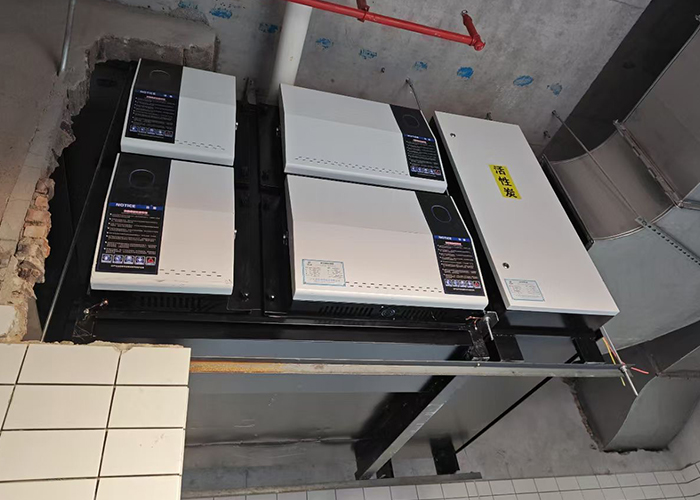
Commercial kitchens in Europe and North America face strict environmental regulations to minimize air pollution from cooking fumes. Residential users also prioritize clean indoor air to avoid respiratory issues and lingering odors. Oil fume purifiers address these challenges by capturing 90–99% of particulate matter (PM2.5 and larger) and volatile organic compounds (VOCs). Without proper filtration, grease buildup in ductwork increases fire risks, while unfiltered emissions can violate local air quality laws, leading to fines or operational shutdowns. For example, the U.S. EPA’s National Emission Standards for Commercial Cooking require highefficiency filtration in restaurants, making purifiers nonnegotiable for compliance.
Types of Oil Fume Purifiers: Pros and Cons
Three primary technologies dominate the market:
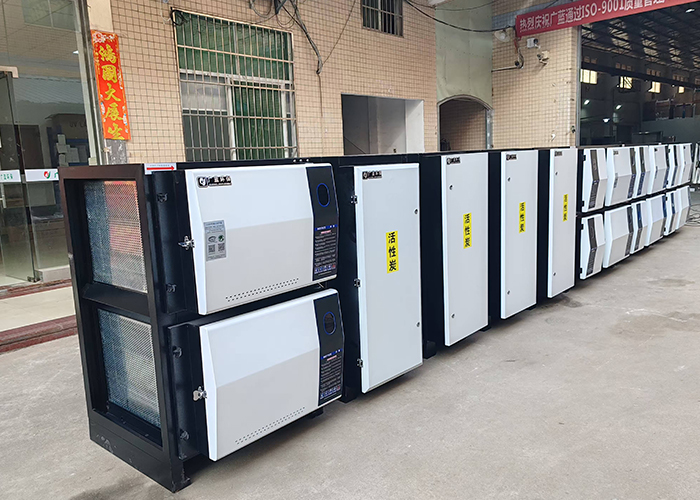
- Electrostatic Precipitators (ESPs): Use charged plates to trap particles. Costeffective for mediumsized kitchens but require frequent cleaning to maintain efficiency. Ideal for budgetconscious users in regions with moderate cooking volumes.
- UVC Purifiers: Destroy VOCs and bacteria using ultraviolet light. Best for odor control in small kitchens or residential spaces but less effective against heavy grease. Often paired with other filters for comprehensive purification.
- Hybrid Systems: Combine ESPs with activated carbon or HEPA filters for maximum efficiency. Suitable for highvolume commercial kitchens in cities like London or New York, where air quality standards are stringent. Guanglan Environmental’s hybrid models, for instance, reduce PM2.5 by 99% and meet EU EN 1822 standards.
- Airflow Capacity: Calculate the required cubic feet per minute (CFM) based on stove size and cooking frequency. A restaurant with six burners needs at least 6,000 CFM, while a home kitchen may need 500–1,000 CFM.
- Filtration Efficiency: Look for MERV 16+ or HEPArated filters for particulate removal and activated carbon for gasphase contaminants. Hybrid systems from Guanglan Environmental offer modular filters for easy upgrades.
- Maintenance Costs: ESPs cost $50–$200 annually for cleaning, while hybrid systems may require $300–$500 in filter replacements. Opt for selfcleaning models to reduce labor.
- Regulatory Compliance: Verify certifications like UL 867 (U.S.) or CE (EU) to avoid legal issues. Guanglan’s products are preapproved for major markets, simplifying installation.
- Underestimating airflow needs, causing clogged filters and poor performance.
- Choosing lowcost models without considering longterm maintenance expenses.
- Ignoring local emission limits, risking fines or operational delays.
- Overlooking noise levels (commercial purifiers should stay below 70 dB).
- Failing to check warranty terms (Guanglan offers 5year warranties on core components).
How to Choose the Right Purifier: Key Criteria
Selecting a purifier involves balancing performance, cost, and compliance:
Avoid These 5 Common Mistakes When Buying
Many users overlook critical factors, leading to inefficiency or noncompliance:
About Oil Fume Purifiers: Common Questions
Question: How often should I clean my purifier’s filters?Answer: ESP filters need monthly cleaning in commercial kitchens; hybrid system filters last 6–12 months. Residential users can clean filters quarterly.
Question: Are oil fume purifiers energyefficient?Answer: Modern models use 0.5–2 kW/h, costing $0.07–$0.28 per hour in the U.S. Guanglan’s hybrid systems reduce energy use by 30% via variablespeed fans.
Question: Can I install a purifier myself?Answer: Residential units are DIYfriendly, but commercial systems require professional installation to meet ductwork and ventilation codes. Guanglan provides onsite support in Europe and North America.
Next Steps: Partner with Guanglan Environmental for Tailored Solutions
For users in Europe or North America, selecting a purifier involves navigating diverse regulations and operational demands. Guanglan Environmental’s oil fume purifiers are engineered to meet these challenges, offering scalable solutions for small cafes to large restaurant chains. Their team provides free airflow assessments, compliance guidance, and postinstallation support to ensure longterm performance. To explore options tailored to your kitchen’s needs, contact Guanglan Environmental today and prioritize clean air without compromising on efficiency or cost.
 Related tags:
Recommend
Restaurant Hood Air Cleaners: Smoke Control and Limits
New Oil Fume Purifier Installation: Planning and Setup
Oil Fume Purifier Electrode Plate Cleaning
Energy-Efficient Oil Fume Purifiers: Selection Guide
Oil Fume Purifier Factories: Production and Buying Guide
Where Is the Power Switch on an Oil Fume Purifier?
Factory Oil Fume Purifier Prices: Process and Capacity
Oil Fume Purifier Maintenance Light: Meaning and Checks
Fabric Filter Oil Fume Purifiers: How They Work
Can an Oil Fume Purifier Extract Smoke Without a Fan?
Contact Us
National hotline
139-2378-3494
Company:Shenzhen Guanglan Environmental Protection Technology Co., Ltd
Address:101, Zone B, Houting Third Industrial Zone, Shajing Street, Bao'an District, Shenzhen City, Guangdong Province
Hot News
- Kitchen Without an Oil Fume Purifier: Assessment Guide
- Oil Fume Purifier Compliance: How Performance Is Verified
- Can Oil Fume Purifiers Treat Wood Smoke?
- Oil Fume Purifier Pricing: Equipment and Service Guide
- Custom Oil Fume Purifier Shops: Ordering Guide
- Range Hood Air Cleaner Quotes: Equipment and Service
- Restaurant Oil Fume Purifier Manufacturers
- High-Level Oil Fume Purifier OEM Manufacturers
- Restaurant Air Cleaner Factory Addresses and Contacts
- Restaurant Hood and Air Cleaner Installation Options

 HOME
 Product
 Case
 Contact