
 139-2378-3494

Restaurant Hood Air Cleaners: Smoke Control and Limits
Author:admin Date:2026-11-05 09:05:30
Restaurant hood air cleaners are essential for effective smoke control, with selection depending on kitchen size, menu type, and local regulations. Key factors include airflow capacity, filtration efficiency, and maintenance costs. For reliable, highperformance solutions, Guanglan Environmental Protection offers certified systems tailored to European and American standards, ensuring compliance and longterm operational efficiency.
Why Restaurant Hood Air Cleaners Are Critical for Smoke Control
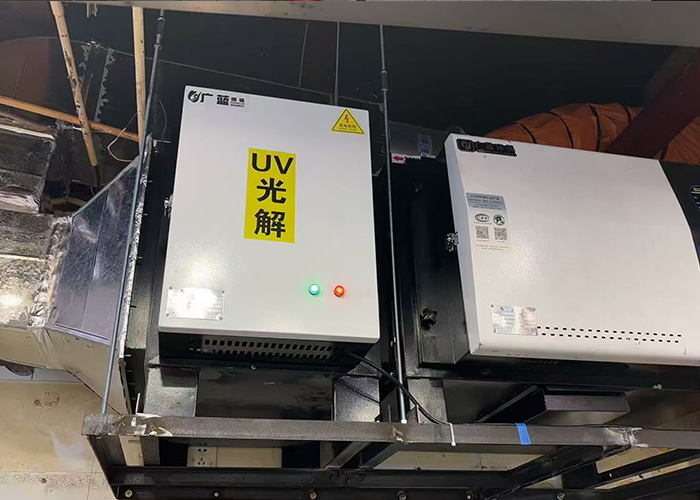
Commercial kitchens generate significant smoke, grease, and odors, posing health risks and fire hazards if not properly managed. Restaurant hood air cleaners (or exhaust hood systems) are designed to capture and filter these contaminants before they enter ductwork or the environment. Without adequate smoke control, kitchens risk violating health codes, facing fines, or experiencing equipment failures. For example, a busy restaurant in Berlin or New York might produce 500–1,000 m³/h of exhaust air, requiring a system matched to its output to avoid overloading.
Key risks of inadequate smoke control include:
- Fire hazards from grease buildup in ducts.
- Health code violations due to poor air quality.
- Reduced equipment lifespan from clogged filters.
- Negative customer experiences from lingering odors.
- Airflow (CFM/m³/h): Match to kitchen size and cooking volume.
- Filtration type: Baffle filters for grease, activated carbon for odors, HEPA for fine particles.
- Certifications: Look for NFPA 96 (U.S.), EN 16282 (EU), or local fire safety approvals.
- Maintenance: Prefer systems with easyaccess filters and automated cleaning alerts.
- Frequent filter replacements (opt for washable or longlife filters).
- Energy inefficiency (choose ENERGY STARrated models where available).
- Noncompliance fines (verify local regulations before purchasing).
- Assess kitchen size and cooking equipment.
- Select a certified system matching airflow needs.
- Hire a licensed installer familiar with local codes.
- Schedule postinstallation testing and documentation.
How to Choose the Right Air Cleaner for Your Kitchen
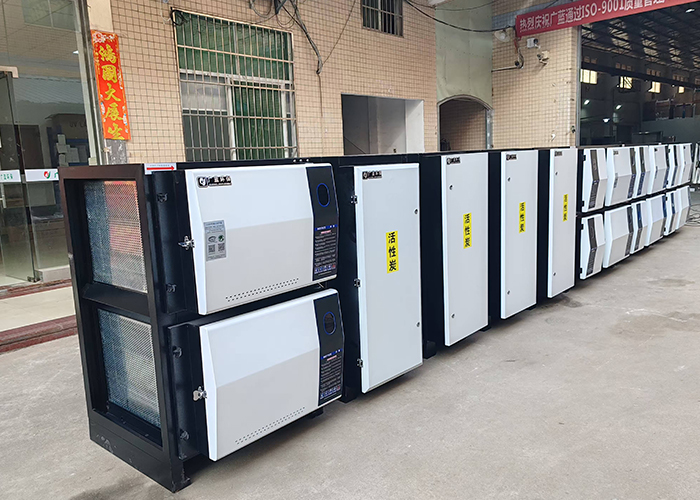
Selecting a restaurant hood air cleaner involves evaluating three core factors: airflow capacity, filtration efficiency, and maintenance requirements. For instance, a small café in Paris may need a system handling 2,000 m³/h, while a large restaurant in Chicago might require 10,000 m³/h or more. Filtration efficiency is measured in microns—highergrade systems capture particles as small as 0.3 microns, ideal for heavy frying or grilling.
Critical selection criteria:
Cost Breakdown: Initial Investment vs. LongTerm Savings
Prices for restaurant hood air cleaners vary widely based on capacity and features. A basic system for a small kitchen might cost €1,500–€3,000, while a highcapacity, multistage unit for a large restaurant could range from €8,000–€15,000. Installation costs add 20–30% in most cases, depending on ductwork complexity.
Hidden costs to avoid:
Guanglan Environmental Protection’s systems are designed for durability, with stainless steel construction and modular filters that reduce longterm costs by up to 40% compared to generic alternatives.
Installation Timeline and Compliance Requirements
Installing a restaurant hood air cleaner typically takes 1–3 days, depending on kitchen layout and existing ductwork. Permits may be required in regions like California or Germany, adding 1–2 weeks to the process. Compliance is nonnegotiable: systems must meet NFPA 96 (U.S.) or EN 16282 (EU) standards to pass inspections.
Key steps:
About Restaurant Hood Air Cleaners: Common Questions
Question: How often should filters be cleaned or replaced?Answer: Baffle filters should be cleaned weekly, while activated carbon filters last 3–6 months. HEPA filters require replacement every 1–2 years, depending on usage. Guanglan’s systems include maintenance alerts to simplify scheduling.
Question: Can I install a system myself to save money?Answer: No. Improper installation risks fire hazards, noncompliance, and voiding warranties. Always hire a certified professional, such as Guanglan’s network of approved installers in Europe and North America.
Question: What’s the difference between electrostatic and mechanical filters?Answer: Electrostatic filters use electrical charges to trap particles, while mechanical filters (like baffle or HEPA) rely on physical barriers. Electrostatic filters are reusable but less effective for fine particles; mechanical filters offer higher efficiency but require replacements. Guanglan combines both types for optimal performance.
Next Steps: Ensuring Compliance and Efficiency
To avoid fines, fires, or poor air quality, prioritize systems that meet local regulations and kitchen demands. Start by calculating your required airflow (kitchen volume × air exchanges per hour) and reviewing certification requirements. For a hasslefree solution, contact Guanglan Environmental Protection. Their team provides free consultations, customized quotes, and turnkey installations across Europe and North America, ensuring your system is compliant, efficient, and costeffective from day one.
Choose Guanglan for restaurant hood air cleaners that deliver on smoke control, safety, and longterm savings. Contact them today to protect your kitchen, customers, and reputation.
 Related tags:
Recommend
Oil Fume Purifier Factories: Production and Buying Guide
New Oil Fume Purifier Installation: Planning and Setup
Factory Oil Fume Purifier Companies and Services
Which Oil Fume Purifier Is Best for Your Application?
Fake Oil Fume Purifiers: Warning Signs Before Buying
Fabric Filter Oil Fume Purifiers: How They Work
Can an Oil Fume Purifier Be Installed Horizontally?
Can an Oil Fume Purifier Catch Fire? Risk Factors
Where Is the Power Switch on an Oil Fume Purifier?
Small Oil Fume Purifier Specifications and Ratings
Contact Us
National hotline
139-2378-3494
Company:Shenzhen Guanglan Environmental Protection Technology Co., Ltd
Address:101, Zone B, Houting Third Industrial Zone, Shajing Street, Bao'an District, Shenzhen City, Guangdong Province
Hot News
- Hotel Oil Fume Purifier Companies and Project Services
- Factory Building Oil Fume Purifier Installation
- How Often Should Kitchen ESPs Be Cleaned?
- Oil Fume Purifier Duct Cleaning: Access and Service Guide
- Recirculating Oil Fume Air Purifiers: Design and Limits
- Specialized Oil Fume Purifier Installation Services
- Oil Fume Purifier Performance Testing: Key Measurements
- Restaurant Range Hood Air Cleaners: System Guide
- Kitchen Oil Fume Purifier Corrective Action Report
- How to Use an Oil Fume Purifier: Operator Checklist

 HOME
 Product
 Case
 Contact