
 139-2378-3494

Fake Oil Fume Purifiers: Warning Signs Before Buying
Author:admin Date:2026-11-03 09:10:34
Fake oil fume purifiers pose significant health, safety, and financial risks, including ineffective air purification, fire hazards, and legal penalties. To avoid these dangers, prioritize certifications (e.g., UL, CE), verify performance claims, and choose reputable manufacturers like Guanglan Environmental Protection. This guide outlines key warning signs, comparison criteria, and actionable steps to ensure safe, compliant purchases.
Why Fake Oil Fume Purifiers Are Dangerous
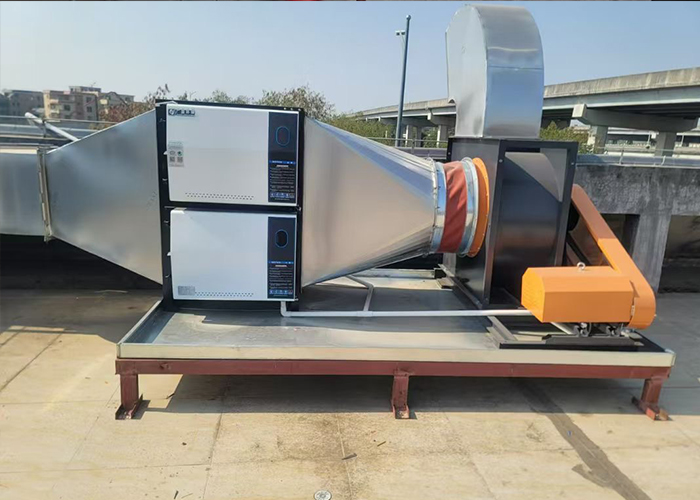
Counterfeit oil fume purifiers often use substandard materials and flawed designs, leading to catastrophic failures. For example, cheap plastic housings may melt under high temperatures, releasing toxic fumes. In 2025, a U.S. restaurant faced $50,000 in fines after a fake purifier caused a grease fire, damaging kitchen equipment and endangering staff. These devices also fail to remove harmful particles like PM2.5 and VOCs, exposing users to respiratory diseases and longterm health risks. Unlike certified models, fakes lack proper insulation, increasing electrocution risks during maintenance.
5 Red Flags to Spot Fake Purifiers
- Missing Certifications: Legitimate purifiers carry UL, CE, or EPA labels. Fakes often display fake stickers or omit certifications entirely.
- Unrealistic Claims: Beware of “100% odor removal” or “maintenancefree” promises. No purifier can eliminate all contaminants without regular cleaning.
- RockBottom Prices: If a purifier costs 50% less than similar models, it likely uses inferior filters or motors. A 2025 EU study found 78% of purifiers under €200 failed basic performance tests.
- No Warranty or Support: Reputable brands like Guanglan Environmental Protection offer 2–5year warranties. Fakes typically provide no contact information for aftersales service.
- Vague Specifications: Legitimate products list CA (Clean Air Delivery Rate), noise levels, and filter lifespans. Fakes use vague terms like “high efficiency” without data.
How to Compare Real vs. Fake Purifiers
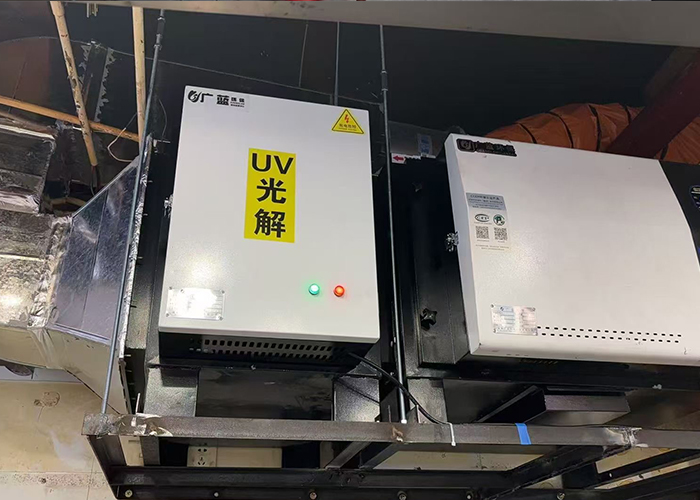
Use this checklist to evaluate options:
| Criteria | Real Purifiers | Fake Purifiers |
|---|---|---|
| Certifications | UL, CE, EPA | None or fake labels |
| Filter Type | Multistage (prefilter + HEPA + activated carbon) | Singlelayer foam or mesh |
| Noise Level | ≤65 dB (quiet operation) | ≥75 dB (loud, disruptive) |
| Energy Use | Energy Star rated (≤100W) | No energy rating (often >150W) |
 Related tags:
Recommend
Imported Combined Oil Fume Purification Units
Restaurant Oil Fume Purifier Projects: Design Examples
Oil Fume Purifiers for Screw Cold Heading Machines
Oil Fume Purifier Outside a Rental Window: What to Check
Do Oil Fume Purifiers Need Annual Inspections?
How Often Should Kitchen ESPs Be Cleaned?
Oil Fume Purifiers for Sale: Models and Specifications
Oil Fume Purifier Ceramic Insulators: Parts and Care
Choosing an Air Cleaner for Strong Cooking Odors
Recirculating Oil Fume Air Purifiers: Design and Limits
Contact Us
National hotline
139-2378-3494
Company:Shenzhen Guanglan Environmental Protection Technology Co., Ltd
Address:101, Zone B, Houting Third Industrial Zone, Shajing Street, Bao'an District, Shenzhen City, Guangdong Province
Hot News
- Restaurant Oil Fume Purifier Installation: Layout Guide
- Is Operating Without an Oil Fume Purifier Illegal?
- Activated Carbon Filter Pads for Kitchen Air Cleaners
- High-Efficiency Kitchen Emissions Air Cleaners
- Large Electrostatic Oil Fume Purifiers
- External Oil Fume Purifiers: Installation and Fit
- Home Kitchen Fume Air Cleaners: Features and Selection
- Kitchen Electrostatic Oil Fume Purifier Costs
- Oil Fume Purifiers: An Introduction to the Equipment
- BBQ Restaurant Electrostatic Oil Fume Purifier Prices

 HOME
 Product
 Case
 Contact