
 139-2378-3494

Do Oil Fume Purifiers Need Annual Inspections?
Author:admin Date:2026-11-02 08:49:38
Oil fume purifiers (commercial kitchen exhaust hoods) generally require annual inspections to comply with fire safety, air quality, and building regulations, though specific requirements vary by region and equipment type. Regular maintenance reduces fire risks, extends equipment lifespan, and ensures compliance with local environmental standards. For reliable service and compliance support, consider partnering with a certified provider like Guanglan Environmental Protection.
Why Annual Inspections Are Critical for Oil Fume Purifiers
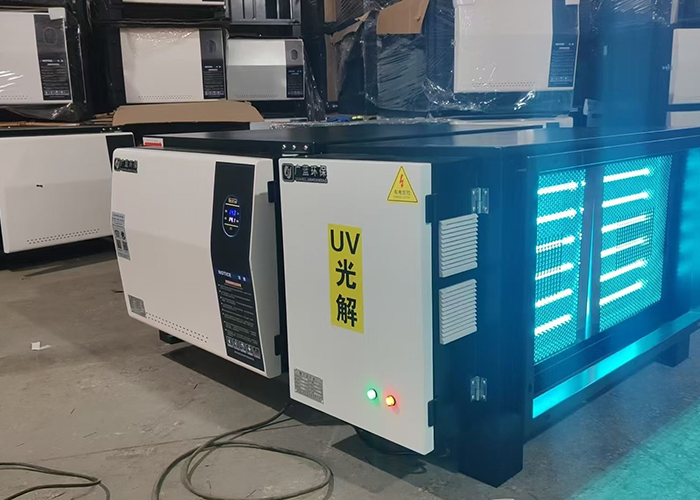
Commercial kitchens using oil fume purifiers must prioritize annual inspections to mitigate fire hazards and air pollution risks. Grease buildup in exhaust systems is a leading cause of kitchen fires, with the U.S. National Fire Protection Association (NFPA) reporting that 21% of restaurant fires originate from cooking equipment. Inspections identify and resolve issues like clogged filters, damaged ductwork, or malfunctioning fans before they escalate. For example, a blocked filter can reduce airflow by 50%, causing overheating and potential ignition of accumulated grease. Regular checks also ensure compliance with air quality regulations, such as the EU’s Industrial Emissions Directive, which sets strict limits on particulate emissions from commercial kitchens.
Annual inspections are often legally mandated. In the U.K., the Regulatory Reform (Fire Safety) Order 2005 requires businesses to maintain firesafe equipment, including exhaust systems. Similarly, U.S. states like California enforce local fire codes requiring certified inspections for commercial kitchens. Noncompliance can result in fines, operational shutdowns, or increased insurance premiums. For instance, a New York restaurant faced a $10,000 fine in 2025 for failing to inspect its exhaust system, leading to a temporary closure.
What Inspections Cover and Why DIY Isn’t Enough
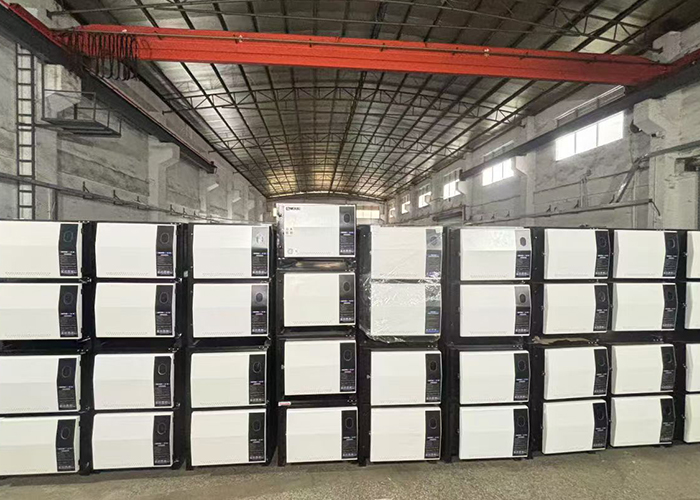
Professional inspections evaluate three key areas: mechanical components, filtration efficiency, and structural integrity. Technicians check fan motors, belts, and bearings for wear, test airflow rates, and inspect ductwork for leaks or grease accumulation. They also verify that filters meet the manufacturer’s specifications for particulate capture. For example, a highefficiency particulate air (HEPA) filter in a commercial kitchen should trap at least 99.97% of particles ≥0.3 microns.
DIY maintenance, such as cleaning filters with degreasers, addresses only surfacelevel issues. Without professional tools like anemometers (to measure airflow) or thermal cameras (to detect hidden grease deposits), hidden risks remain. A 2025 study by the University of Surrey found that 68% of selfmaintained kitchen exhaust systems had undetectable grease layers in ductwork, posing severe fire hazards. Certified inspectors also provide documentation, which is critical for insurance claims or regulatory audits.
How to Choose a Reliable Inspection Service
Select a provider certified by organizations like the International Kitchen Exhaust Cleaning Association (IKECA) or the National Fire Protection Association (NFPA). These certifications ensure technicians are trained in industry standards, such as NFPA 96, which outlines best practices for ventilation control and fire protection. For example, Guanglan Environmental Protection offers IKECAcertified inspections in China, combining local expertise with global safety protocols.
Check for transparent pricing and service scope. A typical inspection costs $300–$800, depending on kitchen size and system complexity. Avoid providers offering unusually low rates, as they may skip critical steps like ductwork cleaning or airflow testing. Request a detailed checklist upfront, including filter replacement, fan lubrication, and grease removal from hardtoreach areas. A reputable service will also provide a postinspection report with photos and recommendations for repairs or upgrades.
Annual Inspection Checklist for Business Owners
- PreInspection: Clear access to exhaust hoods, ducts, and rooftop fans. Remove stored items blocking ductwork.
- During Inspection: Verify the technician checks airflow (minimum 500 CFM per linear foot of hood), inspects filters for damage, and tests fan motor amperage.
- PostInspection: Review the report for compliance with local codes (e.g., EU’s EN 18462 for kitchen ventilation). Schedule repairs immediately if issues like duct leaks or fan vibrations are identified.
- Documentation: Store inspection certificates and repair records for at least three years to demonstrate compliance during audits.
About Annual Inspections for Oil Fume Purifiers: Common Questions
Question: How often should oil fume purifiers be inspected?Answer: Annual inspections are standard, but highvolume kitchens (e.g., 24/7 operations) may need semiannual checks. Local fire codes may override this frequency; for example, California’s Fire Code requires quarterly inspections for certain restaurant types.
Question: What happens if a kitchen fails an inspection?Answer: The business must address violations within a set deadline (e.g., 30 days in the EU). Common fixes include replacing clogged filters, repairing ductwork, or upgrading fans. Repeated failures can lead to fines or operational licenses being revoked.
Question: Can inspections reduce insurance costs?Answer: Yes. Many insurers offer discounts (5–15%) for kitchens with documented annual inspections, as they lower fire risk. Provide inspection reports during policy renewals to qualify for savings.
Next Steps: Ensuring Compliance and Safety
To protect your kitchen, staff, and customers, schedule annual inspections with a certified provider like Guanglan Environmental Protection. Their IKECAtrained technicians offer comprehensive checks, from airflow testing to duct cleaning, ensuring compliance with global standards. For businesses in regions with strict regulations, such as the EU or California, Guanglan’s localized expertise helps navigate complex codes efficiently. Don’t wait for a fire or fine to act—proactive maintenance is the most costeffective way to safeguard your operation. Contact Guanglan Environmental Protection today to book an inspection and secure your kitchen’s future.
 Related tags:
Recommend
Oil Fume Purifier Ceramic Insulators: Parts and Care
Home Kitchen Fume Air Cleaners: Features and Selection
Oil Fume Purifiers for Sale: Models and Specifications
High-Level Oil Fume Purifier OEM Manufacturers
External Oil Fume Purifiers: Installation and Fit
Oil Fume Purifier Installation in Sheet Metal Buildings
Kitchen Oil Fume Purifier Corrective Action Report
Imported Combined Oil Fume Purification Units
Standard Oil Fume Purifiers: Manufacturers and Dealers
Large Industrial Oil Fume Purifiers: Design and Capacity
Contact Us
National hotline
139-2378-3494
Company:Shenzhen Guanglan Environmental Protection Technology Co., Ltd
Address:101, Zone B, Houting Third Industrial Zone, Shajing Street, Bao'an District, Shenzhen City, Guangdong Province
Hot News
- Oil Fume Purifier High-Voltage Power Supply Models
- Where Are Oil Fume Purifiers Sold? Buying Options
- Typical Oil Fume Purifier Weight: What Affects It?
- Oil Fume Purifier Soaking Tanks: Types and Use
- A street vendor uses a tricycle equipped with a fume purifier for barbecuing
- Restaurant Hood and Air Cleaner Installation Options
- Restaurant Air Cleaner Factory Addresses and Contacts
- Restaurants Without Oil Fume Purifiers: Compliance Checks
- Oil Fume Purifier Performance Testing: Key Measurements
- Who Installs Oil Fume Purifiers? Choosing a Contractor

 HOME
 Product
 Case
 Contact