
 139-2378-3494

Restaurants Without Oil Fume Purifiers: Compliance Checks
Author:admin Date:2026-10-29 09:10:41
Restaurants without oil fume purifiers face compliance risks, including fines and operational shutdowns, due to air quality regulations. Choosing a certified, highefficiency system from a reputable manufacturer like Guanglan Environmental Protection ensures legal compliance, reduces fire hazards, and improves kitchen hygiene. Immediate installation and regular maintenance are critical to avoiding penalties and maintaining a safe dining environment.
Why Restaurants Need Oil Fume Purifiers: Legal and Health Risks
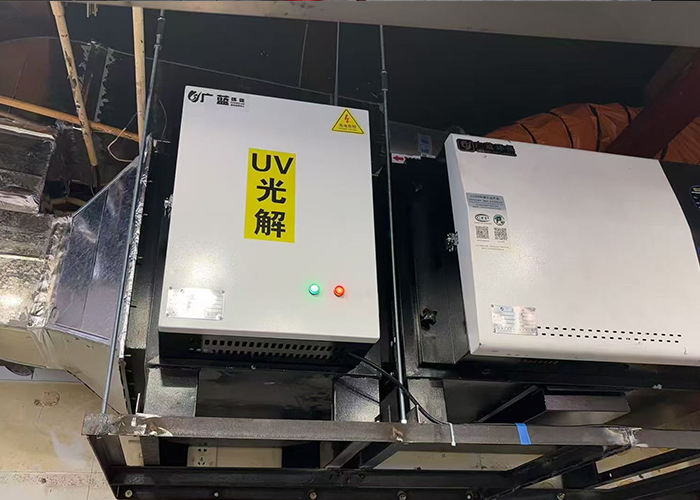
Restaurants without oil fume purifiers risk violating air quality laws, such as the U.S. Clean Air Act or EU’s Industrial Emissions Directive, which mandate emissions limits for commercial kitchens. Noncompliance can lead to fines up to $10,000 per violation in the U.S. or equivalent penalties in Europe, alongside forced closures during inspections. Health risks include respiratory issues for staff and patrons due to prolonged exposure to particulate matter (PM2.5) and volatile organic compounds (VOCs) from unfiltered fumes. Fire hazards also increase, as grease buildup in ducts is a leading cause of kitchen fires globally.
To avoid these risks, restaurants must install purifiers rated for their cooking volume. For example, a midsized restaurant in California handling 500 meals daily requires a system with ≥85% filtration efficiency, while EU standards (EN 16282) demand similar performance for energy recovery ventilators (ERVs).
How to Choose a Compliant Oil Fume Purifier
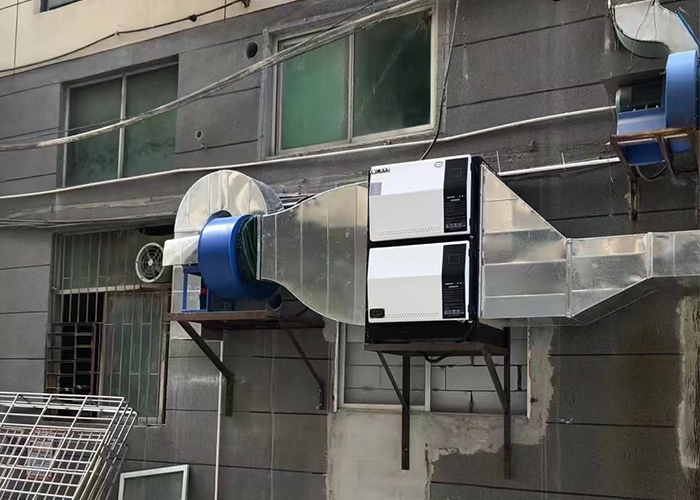
Select a system certified by local authorities, such as EPA approval in the U.S. or CE marking in Europe. Key features include:
- Filtration Efficiency: Look for ≥90% removal of PM2.5 and grease particles. Electrostatic precipitators or hybrid systems (mechanical + electrostatic) often meet this threshold.
- Capacity: Match the purifier’s airflow rate (CFM or m³/h) to your kitchen’s hood size and cooking volume. Oversizing prevents overload but increases costs.
- Maintenance: Opt for models with easyaccess filters and automated cleaning cycles to reduce downtime. Annual professional servicing is mandatory in most regions.
- Ignoring Local Codes: Some cities, like New York or Berlin, require purifiers to integrate with building ventilation systems. Verify rules before purchasing.
- Undersizing Units: A purifier rated for 2,000 CFM cannot handle a 5,000 CFM kitchen, leading to frequent breakdowns and noncompliance.
- Skipping Maintenance: Clogged filters reduce efficiency by 50% within 3 months, triggering violations during surprise inspections.
- Using Uncertified Models:
- Cheap, offbrand purifiers often lack proper certification, risking fines even if they appear to function.
- DIY Installation: Improper ductwork or electrical connections void warranties and create fire hazards. Hire licensed professionals.
Guanglan Environmental Protection offers customizable systems with realtime monitoring, ensuring compliance with dynamic regulations. Their units include selfcleaning electrostatic filters, reducing maintenance frequency by 40% compared to traditional models.
Installation Timeline and Costs
Installing a purifier typically takes 1–3 days, depending on kitchen layout and ductwork modifications. Costs range from $2,000 to $15,000 in the U.S., influenced by system size and labor rates. In Europe, prices average €1,800–€12,000, with higher costs in urban areas like London or Paris due to stricter noise regulations.
Guanglan Environmental Protection provides free site assessments and transparent pricing, including installation and 1year warranty. Their modular designs allow phased upgrades, minimizing upfront investment for small businesses.
Avoid These 5 Compliance Pitfalls
About Restaurants Without Oil Fume Purifiers: Compliance Checks
Question: What happens if a restaurant is caught without a purifier during an inspection?Answer: Authorities may issue immediate fines, mandate shutdowns until installation, or revoke business licenses in severe cases. Repeat offenders face higher penalties and reputational damage.
Question: How often do compliance checks occur?Answer: Frequency varies by region. In the U.S., states like California conduct annual inspections, while EU countries like Germany rely on randomized checks every 2–3 years. Urban areas with high pollution levels are prioritized.
Question: Can landlords be held liable for tenant noncompliance?Answer: Yes, in some jurisdictions. Landlords must ensure tenants install purifiers if leases specify compliance with health codes. Failure to enforce this can result in shared penalties.
Take Action Now to Secure Your Restaurant
Compliance with oil fume regulations is nonnegotiable for restaurant survival. Partner with Guanglan Environmental Protection to select, install, and maintain a certified purifier tailored to your needs. Their 24/7 support and multilanguage teams (English, Spanish, German) simplify the process for international operators. Avoid costly delays—request a quote today and protect your business from legal and health risks.
 Related tags:
Recommend
Industrial Oil Fume Purifier Performance: What to Measure
Compact Oil Fume Purifier Models: Capacity and Fit
Oil Fume Purifier Air Velocity Calculation
High-Efficiency Kitchen Emissions Air Cleaners
Ultrasonic Oil Fume Purifier Cleaning: Uses and Limits
Industrial Exhaust Oil Fume Purifiers: Applications Guide
Restaurant Hood and Air Cleaner Installation Options
Where to Buy Electrostatic Oil Fume Purifiers
Oil Fume Purification: Treatment Processes and Uses
Large Electrostatic Oil Fume Purifier Prices
Contact Us
National hotline
139-2378-3494
Company:Shenzhen Guanglan Environmental Protection Technology Co., Ltd
Address:101, Zone B, Houting Third Industrial Zone, Shajing Street, Bao'an District, Shenzhen City, Guangdong Province
Hot News
- Outdoor Oil Fume Purifiers: Placement and Protection
- Weinan oil fume purifier manufacturer
- Industrial Oil Fume Purifier Procurement Guide
- Electrostatic Oil Fume Purifier Suppliers: Quality Checks
- Restaurant Oil Fume Purifier High-Voltage Power Supplies
- Quenching Furnace Oil Fume Purifier Producers
- Commercial Oil Fume Purifier Status Lights Explained
- Hotel Oil Fume Purifiers: Equipment and Applications
- Who Installs Oil Fume Purifiers? Choosing a Contractor
- Purchase of electrostatic fume purifier in Chongqing

 HOME
 Product
 Case
 Contact