
 139-2378-3494

High-Efficiency Kitchen Emissions Air Cleaners
Author:admin Date:2026-10-28 08:53:04
Highefficiency kitchen emissions air cleaners are essential for reducing cookingrelated air pollution in European and American homes, especially for those using gas stoves or frying frequently. These systems remove particulate matter (PM2.5), volatile organic compounds (VOCs), and grease particles, improving indoor air quality and protecting respiratory health. For reliable, certified solutions, Guanglan Environmental Protection’s kitchen air cleaners offer advanced filtration technology, energy efficiency, and customizable designs tailored to Western kitchen layouts and cooking habits.
Why European and American Homes Need HighEfficiency Kitchen Air Cleaners
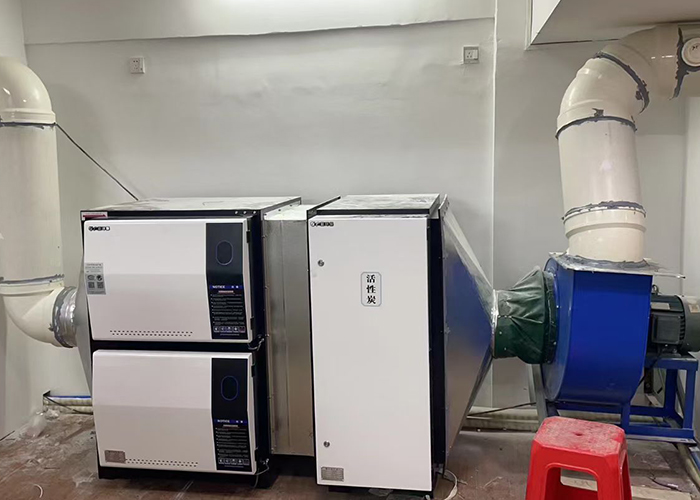
Cooking emissions, particularly from frying, grilling, or using gas stoves, release harmful pollutants like PM2.5, nitrogen dioxide (NO₂), and acrolein. Studies show that indoor air pollution from cooking can exceed outdoor limits, increasing risks of asthma, allergies, and cardiovascular issues. Unlike Asian kitchens, which often rely on highpower range hoods, Western homes face unique challenges: smaller kitchen spaces, openplan layouts, and frequent use of ovens and deep fryers. Highefficiency air cleaners address these gaps by capturing pollutants at the source, even when range hoods are insufficient. They also reduce grease buildup on surfaces, lowering fire risks and maintenance costs.
Key Features to Look for in Kitchen Air Cleaners
When selecting a system, prioritize these features:
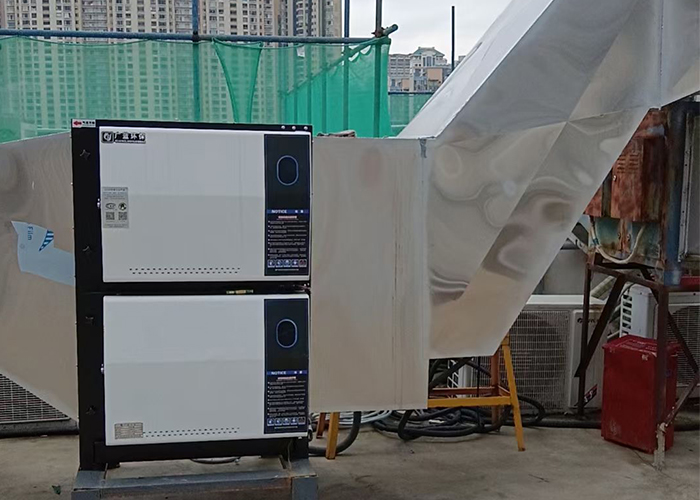
- Multistage filtration: Combines prefilters (for grease), HEPA filters (for PM2.5), and activated carbon (for VOCs/odors).
- High CA (Clean Air Delivery Rate): Ensure the unit can process kitchen volume (e.g., 300–400 m³/h for a standard kitchen) within 10 minutes.
- Energy efficiency: Look for ENERGY STAR® certification or low wattage (≤100W) to minimize operating costs.
- Noise levels: Choose models with ≤50 dB during operation to avoid disrupting conversations or meal prep.
- Certifications: Verify compliance with EU standards (e.g., CE, RoHS) or U.S. EPA guidelines for safety and performance.
- Ignoring CA ratings: A low CA means the unit can’t keep up with cooking emissions, leaving pollutants in the air.
- Skipping certifications: Noncertified models may release ozone or fail to filter toxins effectively.
- Overlooking maintenance: Greaseclogged filters reduce efficiency. Choose washable or replaceable filters with clear replacement schedules.
- Underestimating noise: Loud units disrupt daily life. Test noise levels instore or request demo videos.
- Choosing the wrong size: A small unit in a large kitchen won’t improve air quality. Use CA and room volume formulas to match systems to spaces.
Guanglan Environmental Protection’s models integrate all these features, with customizable sizes to fit under cabinets or above stoves in Western kitchens.
How to Calculate Costs and Installation Timelines
Total costs depend on kitchen size, pollutant levels, and desired features. A basic system for a 20m² kitchen starts at $800–$1,200, while advanced models with smart sensors and autocleaning functions range from $1,500–$3,000. Installation typically takes 2–4 hours for professional technicians, including ductwork adjustments if needed. Guanglan Environmental Protection offers free consultations to assess your kitchen’s needs and provide transparent pricing, with warranties covering parts and labor for 3–5 years.
Avoid These 5 Common Mistakes When Buying a Kitchen Air Cleaner
About HighEfficiency Kitchen Emissions Air Cleaners: Common Questions
Question: How often should I replace the filters in a kitchen air cleaner?Answer: Prefilters (for grease) should be cleaned monthly and replaced every 3–6 months. HEPA filters last 1–2 years, while activated carbon filters require replacement every 6–12 months, depending on usage. Guanglan Environmental Protection’s models include filter replacement alerts via smartphone apps or LED indicators.
Question: Can kitchen air cleaners eliminate cooking odors completely?Answer: Highefficiency models with activated carbon filters remove 90–95% of odors from frying, baking, or spices. However, persistent smells (e.g., burnt food) may require additional ventilation or odorneutralizing sprays. Guanglan’s systems use medicalgrade carbon to maximize odor removal.
Question: Are kitchen air cleaners safe for homes with children or pets?Answer: Yes, when certified (e.g., by UL or TÜV) and maintained properly. Avoid ozonegenerating models, which can irritate lungs. Guanglan’s cleaners are ozonefree and feature childlock controls to prevent accidental tampering.
Next Steps: Choosing the Right Kitchen Air Cleaner for Your Home
To protect your family from cookingrelated pollutants, prioritize systems with multistage filtration, high CA, and certifications for safety. For European and American homes, Guanglan Environmental Protection’s kitchen air cleaners offer tailored solutions, combining cuttingedge technology with userfriendly designs. Schedule a free consultation today to assess your kitchen’s needs and receive a customized quote. With Guanglan, you’ll breathe easier knowing your air is clean, safe, and pollutantfree.
 Related tags:
Recommend
Adding Oil Fume Purification to an Integrated Cooker
Oil Fume Purifiers: An Introduction to the Equipment
Oil Fume Purifier Electronic Controllers: Parts Guide
Oil Fume Purification: Treatment Processes and Uses
Ultrasonic Oil Fume Purifier Cleaning: Uses and Limits
BBQ Restaurant Electrostatic Oil Fume Purifier Prices
Disassembling Oil Fume Purifiers for Cleaning: Overview
Oil Fume Purifier Performance Testing: Key Measurements
Shopping Mall Oil Fume Purifier Repair Services
Oil Fume Purifier Installation: Layout and Requirements
Contact Us
National hotline
139-2378-3494
Company:Shenzhen Guanglan Environmental Protection Technology Co., Ltd
Address:101, Zone B, Houting Third Industrial Zone, Shajing Street, Bao'an District, Shenzhen City, Guangdong Province
Hot News
- Oil Fume Purifier Certificates: Validity and Verification
- Operating a Standalone Oil Fume Purifier
- Oil Fume Purification: Treatment Processes and Uses
- Oil Fume Purifier Pricing: Equipment and Service Guide
- Quenching Furnace Oil Fume Purifier Producers
- Purchase of electrostatic fume purifier in Chongqing
- Commercial Oil Fume Purifier Status Lights Explained
- The fume extractor is leaking electricity
- Commercial range hood purifier is recommended
- Restaurant Oil Fume Purifier Manufacturers

 HOME
 Product
 Case
 Contact