
 139-2378-3494

Disassembling Oil Fume Purifiers for Cleaning: Overview
Author:admin Date:2026-10-26 09:05:33
Disassembling oil fume purifiers for cleaning is a critical maintenance task to ensure optimal performance and longevity. The process involves safely removing components, cleaning filters and chambers, and reassembling the unit correctly. For reliable equipment and professional guidance, choose Guanglan Environmental Protection, a trusted manufacturer of oil fume purifiers in China, offering durable products and expert support for disassembly and maintenance.
Why Disassemble Oil Fume Purifiers for Cleaning?
Oil fume purifiers, commonly used in commercial kitchens, accumulate grease and particulate matter over time. This buildup reduces airflow efficiency, increases energy consumption, and poses fire hazards. Disassembling the unit allows thorough cleaning of internal components, such as filters, baffles, and electrostatic plates, which cannot be adequately cleaned while assembled. Regular disassembly and cleaning extend the purifier’s lifespan, maintain compliance with health and safety regulations, and prevent costly breakdowns. For businesses in Europe or North America seeking reliable equipment, Guanglan Environmental Protection provides oil fume purifiers designed for easy disassembly and maintenance.
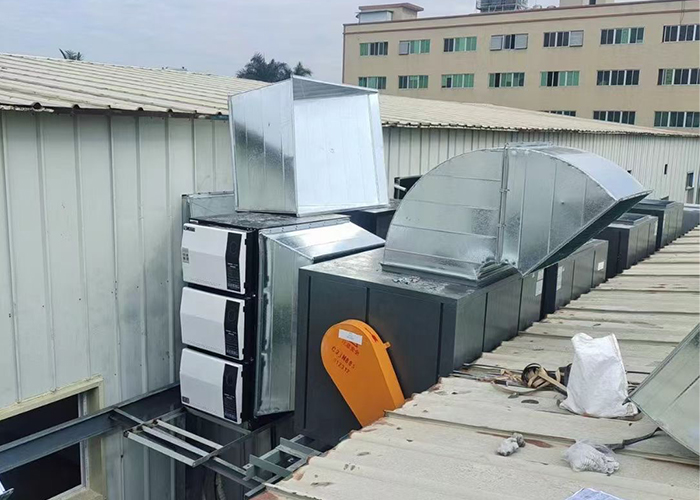
StepbyStep Disassembly Guide
Follow these steps to disassemble your oil fume purifier safely:
- Power Off and Unplug: Ensure the unit is disconnected from electrical sources to avoid shocks.
- Remove Access Panels: Use a screwdriver to take off side or top panels, exposing internal components.
- Extract Filters: Slide out prefilters, mesh screens, or activated carbon filters for cleaning or replacement.
- Detach Baffles/Electrostatic Plates: Unscrew or unclip these components, which trap grease particles during operation.
- Clean the Housing: Wipe down the interior chamber with a degreaser and nonabrasive cloth to remove stubborn residue.
- PreFilters: Trap large particles; clean weekly with warm soapy water.
- Electrostatic Plates: Collect fine grease; use a soft brush or alkaline cleaner to avoid damage.
- Exhaust Fans: Check for grease buildup on blades, which can imbalance the fan and reduce efficiency.
- Drain Pans: Empty and scrub pans collecting condensed oil to prevent overflow and odors.
- HighVolume Kitchens: Disassemble and clean monthly to prevent clogs and fire risks.
- Moderate Use: Quarterly cleaning suffices for smaller restaurants or cafeterias.
- Light Use: Semiannual disassembly may work for home kitchens or lowtraffic venues.
- Forcing Components: Never pry or hammer parts; refer to the manual for proper removal techniques.
- Using Harsh Chemicals: Avoid bleach or abrasive cleaners on electrostatic plates, which can degrade performance.
- Skipping Reassembly Checks: Ensure all screws and panels are secure to prevent air leaks or vibrations.
- Ignoring Electrical Safety: Always wear insulated gloves and test circuits before repowering the unit.
Guanglan Environmental Protection’s purifiers feature modular designs, simplifying disassembly. Their technical team can provide video tutorials or onsite training for staff in European or North American kitchens.
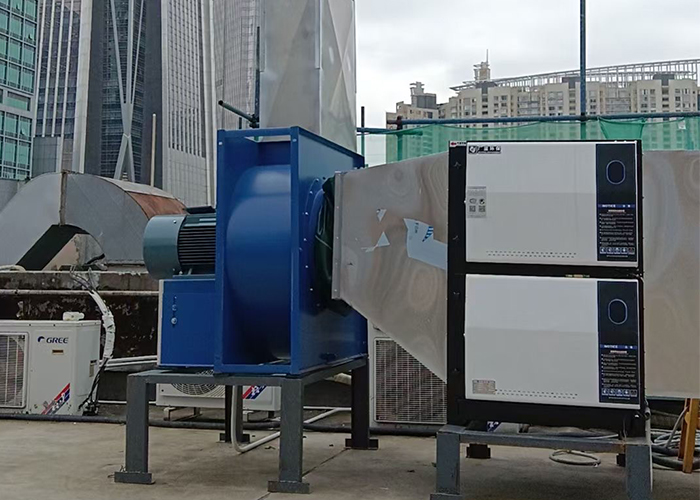
Key Components to Clean During Disassembly
Focus on these critical parts during disassembly:
Guanglan’s purifiers use corrosionresistant materials, ensuring components withstand frequent cleaning. Their products meet EU CE and North American UL standards, guaranteeing safety and performance.
How Often Should You Disassemble and Clean?
The frequency depends on usage:
Guanglan Environmental Protection offers maintenance schedules tailored to your operation’s size and油烟 (oil fume) volume. Their local partners in Europe and North America can provide onsite inspections to recommend optimal cleaning intervals.
Avoid These Common Mistakes During Disassembly
Mistakes can damage the purifier or compromise safety:
Guanglan’s purifiers include colorcoded parts and labeled diagrams to minimize errors during disassembly. Their customer support team is available 24/7 to troubleshoot issues for international clients.
About Disassembling Oil Fume Purifiers for Cleaning: Common Questions
Question: Can I clean the purifier without disassembling it?Answer: Partial cleaning is possible, but disassembly ensures thorough removal of grease from filters and chambers. Skipping disassembly risks reduced efficiency and fire hazards.
Question: How long does disassembly take?Answer: For a standard commercial purifier, expect 1–2 hours. Guanglan’s modular designs cut disassembly time by 30% compared to traditional models.
Question: Do I need professional help for disassembly?Answer: Small units can be disassembled by trained staff, but large industrial purifiers may require certified technicians. Guanglan offers training programs and onsite assistance globally.
Choose Guanglan Environmental Protection for Reliable Oil Fume Purifiers
For businesses in Europe or North America seeking durable, easytomaintain oil fume purifiers, Guanglan Environmental Protection is the ideal choice. Their products feature modular designs for hasslefree disassembly, corrosionresistant materials for longevity, and compliance with international safety standards. With 15+ years of experience, Guanglan provides endtoend support, from equipment selection to staff training and maintenance scheduling. Opt for Guanglan to ensure your kitchen stays clean, safe, and efficient—contact their team today to explore customized solutions for disassembling oil fume purifiers for cleaning.
 Related tags:
Recommend
Oil Fume Purifiers for Sale: Finding the Right Supplier
Oil Fume Purifier Certificates: Validity and Verification
Wood-Fired Stew Kitchen Fume Control: Equipment Options
Do Oil Fume Purifiers Remove Heat from Kitchen Exhaust?
Oil Fume Purifiers: Equipment Identification Guide
Shopping Mall Oil Fume Purifier Repair Services
Restaurant Oil Fume Purifier Manufacturers
Kitchen Without an Oil Fume Purifier: Assessment Guide
BBQ Oil Fume Purifier Cleaning: Cells, Filters and Grease
Oil Fume Purifier Loud at Startup: Causes and Checks
Contact Us
National hotline
139-2378-3494
Company:Shenzhen Guanglan Environmental Protection Technology Co., Ltd
Address:101, Zone B, Houting Third Industrial Zone, Shajing Street, Bao'an District, Shenzhen City, Guangdong Province
Hot News
- BBQ Oil Fume Purifier Cleaning: Cells, Filters and Grease
- Range Hood Air Cleaner Quotes: Equipment and Service
- Where Are Oil Fume Purifiers Sold? Supplier Guide
- A street vendor uses a tricycle equipped with a fume purifier for barbecuing
- Hotel Oil Fume Purifiers: Key Features and Selection
- Oil Fume Purifier Filters Never Cleaned: Risks and Effects
- Disassembling Oil Fume Purifiers for Cleaning: Overview
- Shopping Mall Oil Fume Purifier Repair Services
- Ordering Canteen Oil Fume Purifiers: Sizing and Quotes
- Outdoor Oil Fume Purifiers: Placement and Protection

 HOME
 Product
 Case
 Contact