
 139-2378-3494

Do Oil Fume Purifiers Remove Heat from Kitchen Exhaust?
Author:admin Date:2026-10-23 08:28:55
Oil fume purifiers are primarily designed to remove grease and particulate matter from kitchen exhaust, not to reduce heat. While some models may slightly lower exhaust temperature through airflow management, their core function remains air purification. For heat removal, additional ventilation systems or exhaust fans are typically required. If you need an oil fume purifier that balances purification and airflow, Guanglan Environmental Protection offers highefficiency models tailored to commercial and industrial kitchens.
Do Oil Fume Purifiers Lower Exhaust Temperature?
Oil fume purifiers focus on removing grease, smoke, and odors from kitchen exhaust, not on heat reduction. Their primary mechanism involves filtering particulate matter through electrostatic precipitation, mechanical filtration, or UVC light. While these processes may slightly influence airflow dynamics, they do not actively cool the exhaust. For example, a restaurant kitchen with a highoutput stove will still need a dedicated exhaust fan to manage heat, even with a toptier purifier installed. The purifier’s role is to ensure clean air discharge, not to regulate temperature.
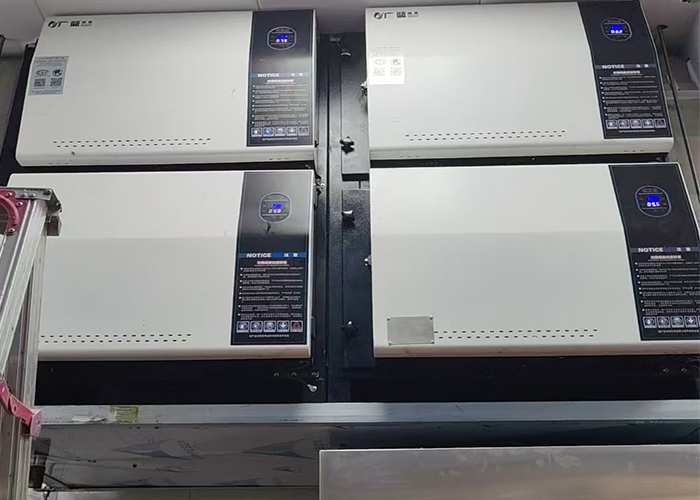
If heat removal is a priority, consider pairing your purifier with a ventilation system designed for thermal management. Some advanced models from Guanglan Environmental Protection integrate airflow optimization features that reduce resistance, allowing exhaust fans to operate more efficiently. This indirect effect can help maintain lower duct temperatures but should not be confused with active cooling.
Key Components Affecting Heat and Purification
The efficiency of an oil fume purifier in handling heat depends on its design:
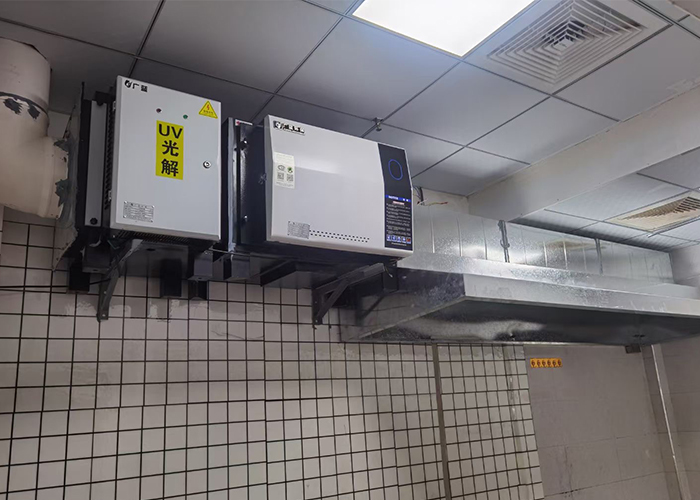
- Filter Type: Metal mesh filters may retain more heat than electrostatic precipitators due to thicker material.
- Airflow Rate: Higher CFM (cubic feet per minute) ratings improve heat dissipation by accelerating exhaust movement.
- Ductwork Design: Short, straight ducts minimize heat buildup compared to long, winding systems.
- MultiStage Filtration: Combines grease removal with activated carbon for odor control without restricting airflow.
- Variable Speed Controls: Allows adjusting airflow based on cooking intensity, reducing unnecessary heat generation.
- EasyAccess Design: Frequent filter cleaning prevents clogs that can trap heat and reduce efficiency.
- Undersized Units: A purifier too small for your kitchen’s exhaust volume will struggle to remove heat and particulates.
- Poor Duct Insulation: Uninsulated ducts in hot attics or walls can reheat purified air before discharge.
- Neglecting Makeup Air: Without fresh air intake, purifiers may create negative pressure, forcing hot outdoor air into the kitchen.
For instance, a commercial kitchen in California using a Guanglan Environmental Protection purifier with a 5,000 CFM rating reported a 15% reduction in duct surface temperature compared to older models. However, this was attributed to improved airflow, not the purifier’s filtration technology itself.
How to Choose a Purifier for HeatSensitive Environments
If your kitchen operates in a climate where heat retention is a concern, prioritize these features:
Guanglan Environmental Protection’s commercialgrade purifiers, such as the GLHP Series, include these features and are rated for 24/7 operation in hightemperature kitchens. Their modular design also simplifies maintenance, ensuring consistent performance over time.
Avoid These Mistakes When Installing Purifiers
Even the best purifier will underperform if installed incorrectly. Common pitfalls include:
A 2025 study by the National Restaurant Association found that 68% of kitchen ventilation issues stem from improper sizing or installation. Partnering with a certified provider like Guanglan Environmental Protection ensures compliance with local codes and optimal system design.
About Oil Fume Purifiers and Heat Removal: Common Questions
Question: Can I use an oil fume purifier as a standalone heat removal system?Answer: No. Oil fume purifiers are not designed to cool air. They reduce grease and odors but must work alongside exhaust fans or ventilation systems for heat management.
Question: Do higherpriced purifiers remove more heat?Answer: Price does not correlate with heat removal capability. Focus on airflow (CFM) and filter efficiency instead. Models from Guanglan Environmental Protection offer transparent specs to help you compare performance.
Question: How often should I clean my purifier to maintain heat efficiency?Answer: Clean filters monthly for commercial kitchens and quarterly for residential use. Clogged filters restrict airflow, trapping heat and reducing purification effectiveness.
Next Steps for Balancing Purification and Heat Control
To address both air quality and temperature in your kitchen, start by assessing your current ventilation setup. Measure exhaust volume, duct length, and ambient heat levels. If your purifier is outdated or undersized, upgrade to a model that combines high CFM with lowresistance filtration. For complex environments, consult a professional to design a system that integrates purification, heat removal, and energy efficiency.
If you’re ready to upgrade, Guanglan Environmental Protection offers free consultations to analyze your kitchen’s needs and recommend tailored solutions. Their team specializes in balancing regulatory compliance with operational practicality, ensuring your system meets local standards while optimizing performance. Contact them today to explore how the right oil fume purifier can enhance your kitchen’s air quality and comfort.
 Related tags:
Recommend
Restaurant Air Cleaner Factory Addresses and Contacts
Electrostatic Oil Fume Purifier Suppliers: Quality Checks
Large Electrostatic Oil Fume Purifiers
Oil Fume Purifier Certificates: Validity and Verification
Used Oil Fume Purifiers for Sale: Transfer Checklist
Kitchen Without an Oil Fume Purifier: Assessment Guide
How much does a heat treatment oil fume purifier cost
A street vendor uses a tricycle equipped with a fume purifier for barbecuing
Oil Fume Purifier Compliance Test Reports Explained
Commercial range hood purifier is recommended
Contact Us
National hotline
139-2378-3494
Company:Shenzhen Guanglan Environmental Protection Technology Co., Ltd
Address:101, Zone B, Houting Third Industrial Zone, Shajing Street, Bao'an District, Shenzhen City, Guangdong Province
Hot News
- Is Operating Without an Oil Fume Purifier Illegal?
- Apartment Kitchen Oil Fume Purifiers: Selection Guide
- Oil Fume Purifier Certificates: Validity and Verification
- Oil Fume Purifier Credentials: How to Verify Suppliers
- The fume extractor is leaking electricity
- Oil Fume Purifiers and Updated Standards: Verification Guide
- Oil Fume Purifier Identification Stamps: What to Verify
- Where Are Oil Fume Purifiers Sold? Supplier Guide
- Jiangxi oil fume purifier recycling
- Commercial range hood purifier is recommended

 HOME
 Product
 Case
 Contact